
Occitanie to train another 100 physiotherapists to identify skin lesions — France 24
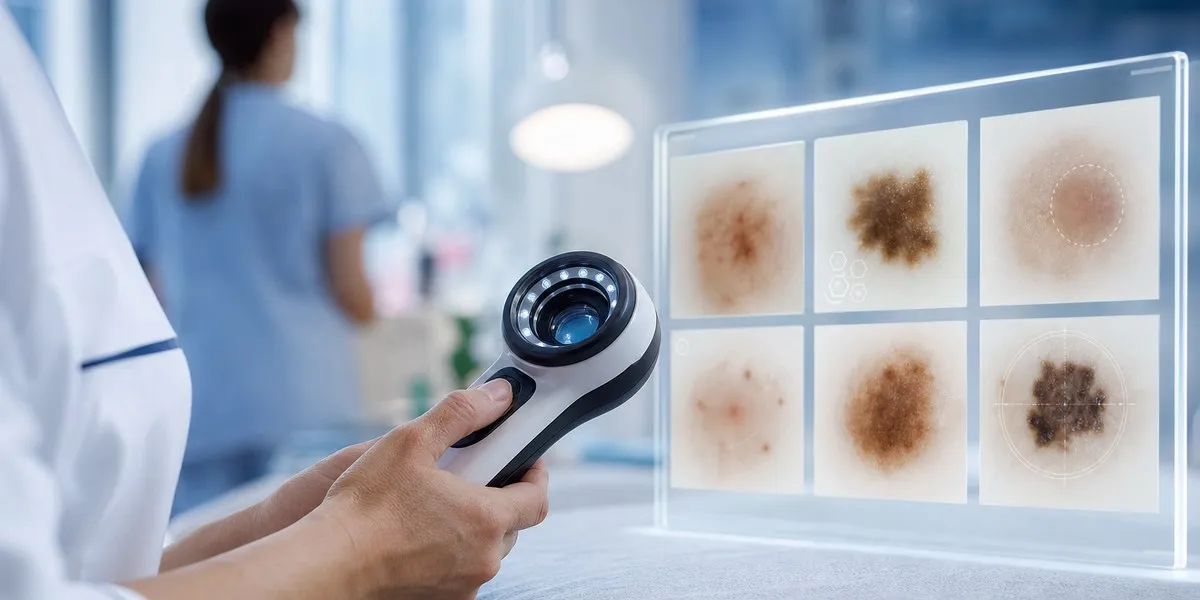
In the French region of Occitanie, regional authorities will fund training for another 100 physiotherapists to use dermatoscopes to detect suspicious skin lesions. The decision was made after a year-long pilot project in which around 50 volunteer physiotherapists helped identify six cases of skin cancer — four carcinomas and two melanomas.
The initiative is a response to the shortage of dermatologists in France, where around 200,000 cases of skin cancer are diagnosed each year. As France 24 reports, half of French dermatologists are already over 60, while only around 100 new specialists are trained in the country annually. The French government has also announced an additional 27 places for dermatology interns per year.
Appointments are booked within minutes
At a clinic in Saint-Maur-des-Fossés, a suburb of Paris, dermatologist Romain Prudhomme opens appointments for the following evening. According to him, all available slots are booked within three minutes. One patient travelled from Reims, covering 130 kilometres, to have a melanoma removed.
More current news is available on the UA.News Telegram channel Telegram.
Dermatologist Pierre Hamann noted that the pressure on specialists is considerable, as patients are often unable to receive care for a long time. He also rejected claims that dermatologists supposedly give preference to cosmetic procedures: according to research data he cited, such work accounts for less than 5% of their annual activity.
Physiotherapists and AI as supporting tools
In southern France, trained physiotherapists can spot potentially dangerous moles during routine appointments and send their images to dermatologists for assessment. The author of the initiative, dermatologist Georges Bessis, explained that such specialists can see lesions that patients did not think to report or were afraid to show.
Another approach is used by the France Dermatologie centre in Gazeran near Paris: a system of 92 sensors creates a three-dimensional avatar of the patient and organizes data on skin lesions. Dermatologists working with the centre analyse this data and make a diagnosis. According to network head Étienne Varlet, the technology helped detect 30 melanomas in its first year of operation. The examination costs 84 euros and is not reimbursed by France's national health insurance system because no dermatologist is present on site. Five such centres have already opened in the country, but AI screening systems have not yet received official approval from the professional association of dermatologists.




