
Disabling MTCH2 protein boosted fat burning in cells — ScienceDaily
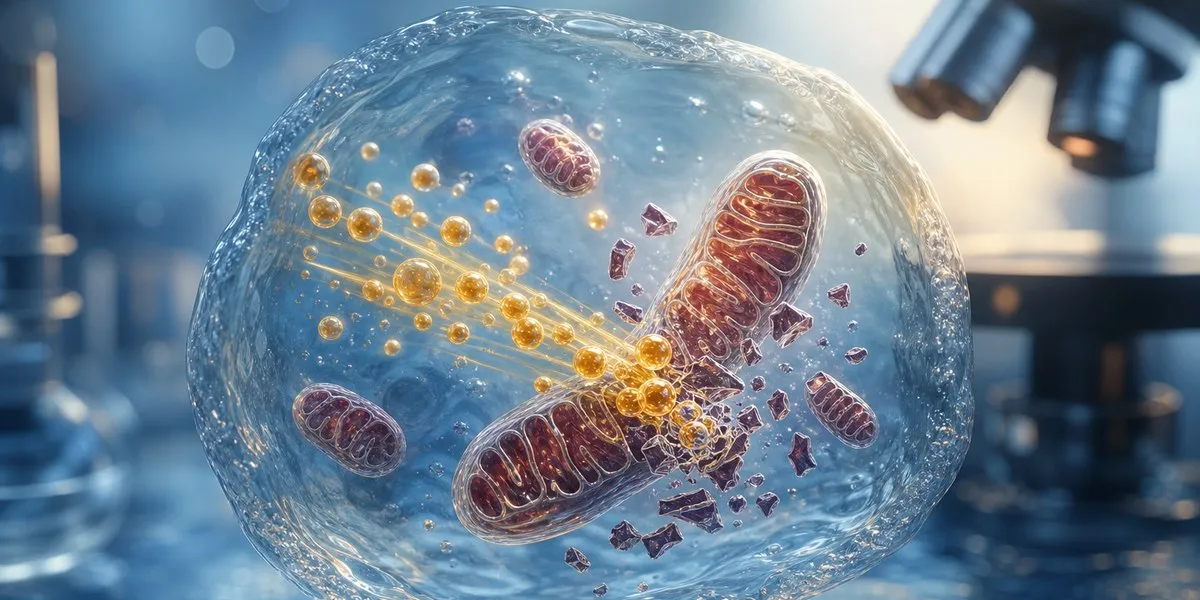
Researchers at the Weizmann Institute found that disabling the MTCH2 protein, also known as Mitch, changes how cells use energy: they consume fats, carbohydrates and amino acids more actively. Experiments on human cells also recorded increased cellular respiration — the process of obtaining energy from nutrients with the involvement of oxygen, ScienceDaily reports.
Impact on mitochondria
MTCH2 is involved in mitochondrial fusion — cellular structures that produce energy. After this protein was removed, the mitochondrial network fragmented, and cells began consuming more fuel to meet their own energy needs. Scientists found that such cells used fatty acids more intensively.
Results of previous experiments in mice showed that reducing MTCH2 activity in muscle tissue increased energy expenditure and animal endurance, and protected them from diet-related obesity. Research involving human cells does not mean that the same effect has already been proven for the human body.
More current news is available on the UA.News Telegram channel Telegram.
Formation of fat cells
Separately, the team studied how MTCH2 affects adipogenesis — the transformation of precursor cells into mature fat cells. In a mouse cell line without MTCH2, only 5–10% of cells differentiated over six days, while the figure in the control group was about 80–90%. The altered cells also accumulated fewer lipid droplets.
The paper “MTCH2 controls energy demand and expenditure to fuel anabolism during adipogenesis” was published in The EMBO Journal on January 3, 2025. A subsequent study, published in Nature Communications on October 3, 2025, showed that MTCH2 interacts with the enzyme CPT1, which controls the entry of fatty acids into mitochondria.
In mice in which MTCH2 was removed specifically from fat cells, a high-fat diet was associated with less weight gain and less fat accumulation despite the same food intake. At the same time, scientists emphasize that the safety and effectiveness of inhibiting MTCH2 for weight loss in people have not yet been proven: the protein is also involved in mitochondrial regulation and cell-survival processes.




