
WHO: A quarter of adolescents worldwide had no active days during the week — Asharq Al-Awsat
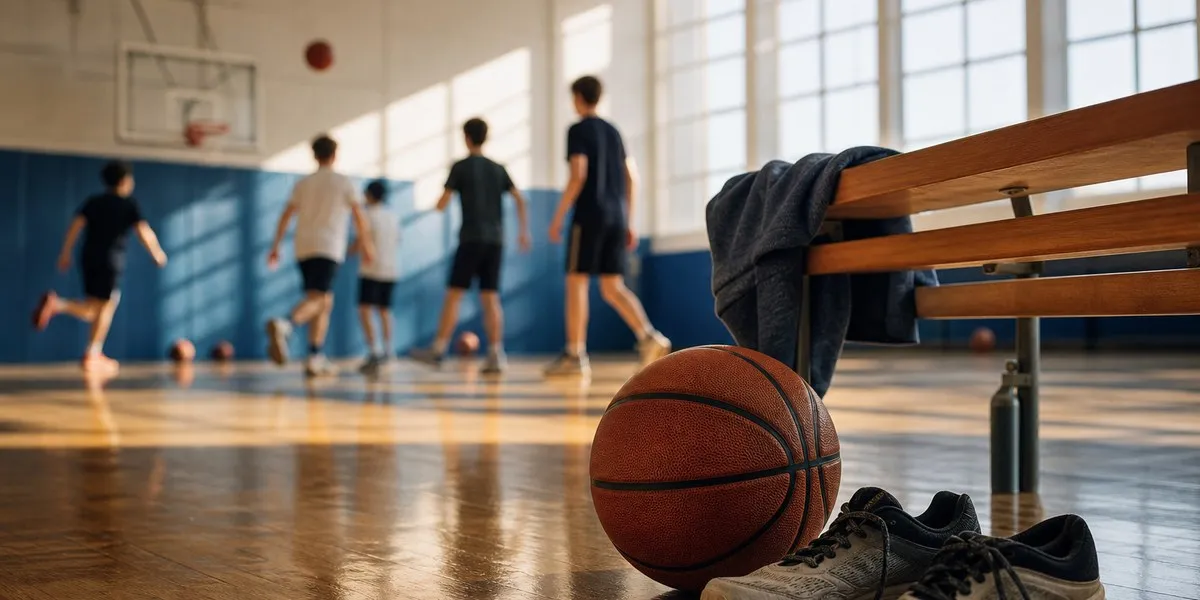
The World Health Organization reported that approximately one quarter of adolescents aged 11 to 17 worldwide had no active days during the previous week — meaning a day with at least 60 minutes of moderate- to vigorous-intensity physical activity. Asharq Al-Awsat reports on the new global estimates, citing the WHO.
Study data
The estimates are based on hundreds of population surveys conducted in 140 countries and territories involving more than 3.2 million adolescents. According to WHO calculations, this means that around 240 million young people had no active days during the week.
On average, study participants reported physical activity on 2.7 days per week. Only 14% of respondents said they were physically active on all seven days. The study was published in The Lancet Global Health.
Gap between girls and boys
The WHO also recorded a notable gender difference: 28% of girls and 22% of boys reported having no active days. Eleven percent of girls and 17% of boys were physically active every day. According to the organization, girls are less active than boys in nearly all countries and regions.
More current news is available on the UA.News Telegram channel Telegram.
Activity levels vary significantly between countries. In Namibia, Nepal, and the Philippines, 40% of adolescents reported having no active days, while in Bangladesh and Serbia, more than 30% of young people reported daily physical activity.
Factors affecting activity
The WHO noted that physical activity levels among adolescents have changed little over the past 15 years. The organization named insufficient physical activity as one of the risk factors for heart disease, type 2 diabetes, and some types of cancer.
According to the WHO, activity levels are affected by transport, access to safe spaces, the ability to walk or cycle safely, the school environment, social norms, and a lifestyle increasingly linked to screens. The organization called on countries to create conditions in which movement and sport are safe and accessible in everyday life.




