
Exercise may reduce DEAF1 levels in aging muscles — ScienceDaily
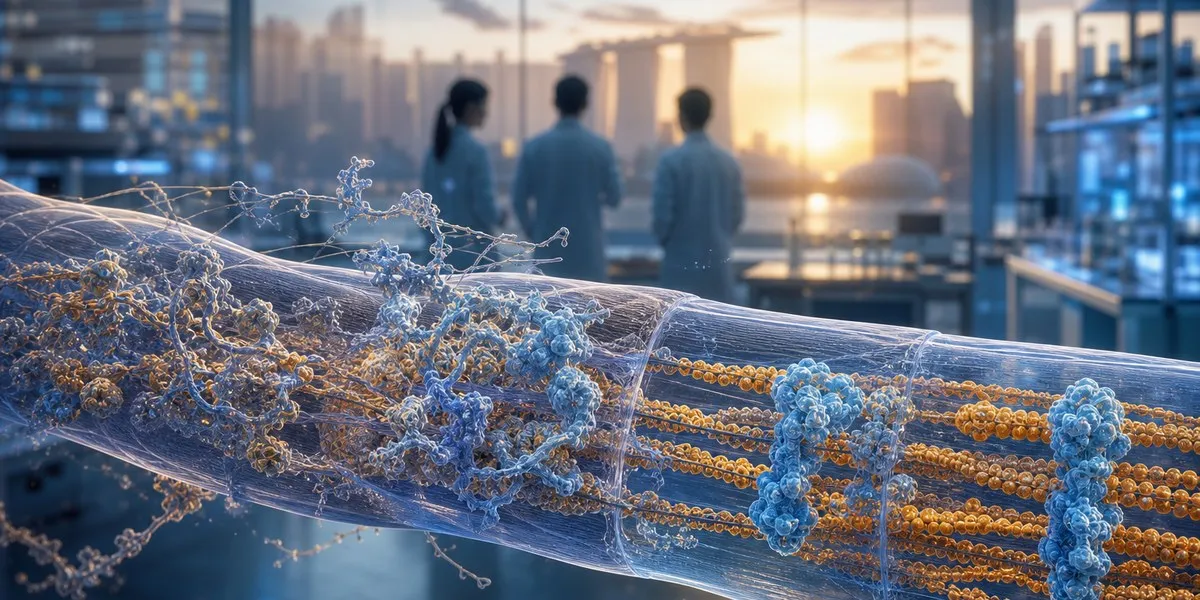
In Singapore, researchers led by Duke-NUS Medical School described a molecular mechanism that may explain how exercise supports muscles’ ability to recover with age. As ScienceDaily reports, DEAF1 may play a key role in this process: its level can increase with age and disrupt the system that clears damaged proteins from muscle cells.
The study, published in the Proceedings of the National Academy of Sciences, was conducted jointly with specialists from Singapore General Hospital and Cardiff University. The experiments were carried out on fruit flies and old mice, so whether the results can be applied to humans still requires separate verification.
Protein balance in muscles
For normal function, muscle cells must synthesize new proteins and remove old or damaged ones. One regulator of this balance is the mTORC1 signaling pathway. According to the researchers, its excessive activity shifts the process toward protein production while also interfering with the proper removal of damaged proteins, causing defective proteins to accumulate in cells.
The scientists linked this imbalance to rising DEAF1 levels. Under normal conditions, it is regulated by proteins of the FOXO family, but their activity may decline with age. As a result, DEAF1 can excessively activate mTORC1, and muscles gradually lose their ability to recover effectively.
More current news is available on the UA.News Telegram channel Telegram.
Exercise and limitations of the effect
According to the study’s findings, physical activity activates regulatory proteins that reduce DEAF1 levels. This helps return mTORC1 to a more balanced state and enables cells to produce the necessary proteins and remove damaged ones.
In fly and mouse models, increased DEAF1 levels led to rapid muscle weakening, while reducing them improved the balance between protein formation and removal and restored muscle strength. At the same time, the authors noted that if DEAF1 levels are too high or FOXO activity is too low, exercise alone may not be sufficient to fully restore muscle repair mechanisms.
The researchers view DEAF1 as a potential target for future approaches to combating age-related muscle loss, including for people who find it difficult to engage in physical activity after surgery, because of severe illnesses, or due to chronic conditions. The safety and effectiveness of such an intervention in humans have not yet been established.




