
Mercury, lead and methanol found in counterfeit cosmetics in the United Kingdom — The Guardian
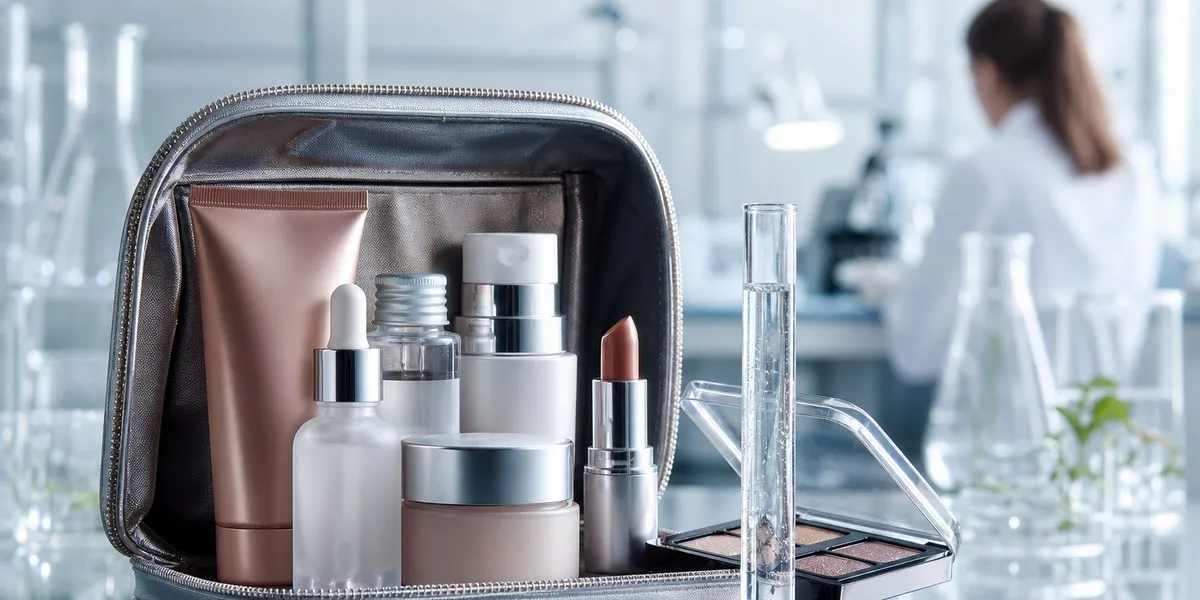
In the United Kingdom, mercury, lead, methanol and nicotine were found in counterfeit cosmetics and perfumes seized by law enforcement officers. This was reported by The Guardian, citing the UK Trading Standards service.
During an analysis of 50 samples of seized counterfeit cosmetics, specialists found a mercury concentration of 13,200 parts per million in one skincare product. High lead levels were also recorded in lipsticks, eyeshadows and contouring products. Nicotine was found in perfumes, while one counterfeit fragrance consisted of approximately 80% methanol, a toxic alcohol that can cause severe poisoning.
Health risks
Trading Standards noted that counterfeit cosmetics are more likely to contain harmful substances because their manufacturers are not required to conduct safety checks or list the exact ingredients. Independent toxicologist Rani Ghosh stressed that reactions to dangerous cosmetic products may include irritation, swelling or skin changes, but the effects of mercury and lead on the body are not always immediately noticeable.
According to the service, repeated contact of mercury with the skin can harm the kidneys and nervous system. Lead can adversely affect the brain, nervous system and kidneys; it poses particular risks to children and during pregnancy.
More current news is available on the UA.News Telegram channel Telegram.
Online sales and product seizures
A Trading Standards survey showed that nearly three out of four buyers of counterfeit cosmetics and hygiene products purchased such goods online. According to the UK Intellectual Property Office, last year around 20% of people aged 18 to 24 who bought beauty products knowingly purchased counterfeits, compared with 6% in 2023.
In July, the Police Intellectual Property Crime Unit and Greater Manchester Police seized 1,666 counterfeit hair products, including hair extensions, shampoos and conditioners. During another raid in Bolton, Trading Standards inspectors found counterfeit goods worth £2 million at a commercial premises, including perfumes, cosmetics, clothing and vapes.
The Intellectual Property Office is launching the Face the Fakes campaign together with content creators and beauty industry representatives to inform consumers about the risks of counterfeit products.




