
Coega Steels opens R500m rolling mill in South Africa — Daily Maverick
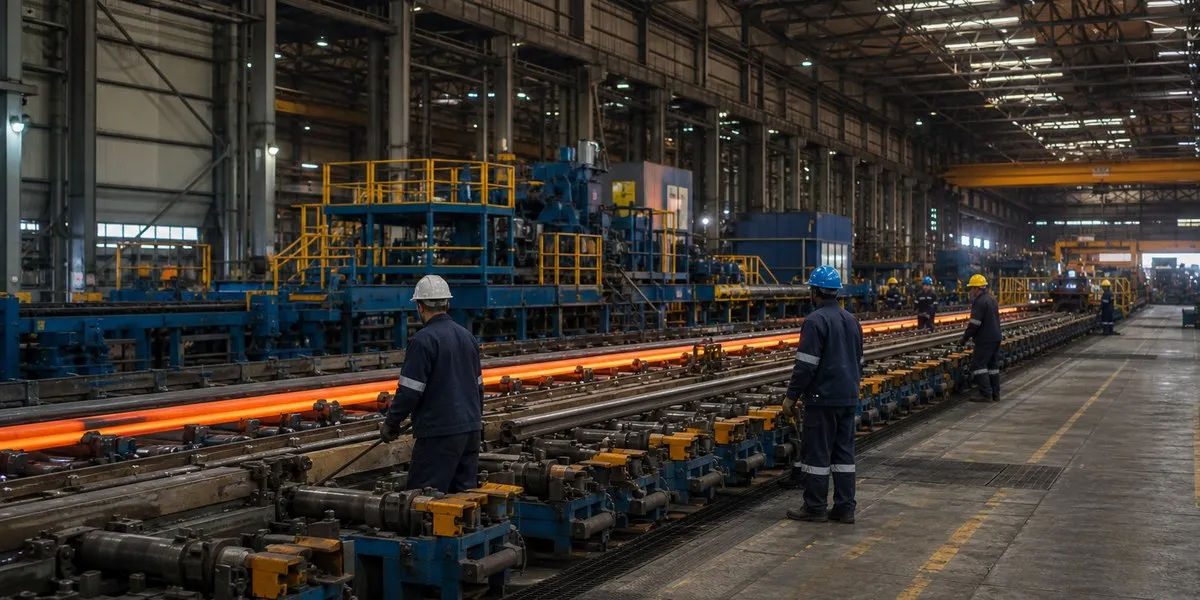
Steel company Coega Steels has opened a new R500 million rolling mill in the Coega Special Economic Zone in Gqeberha, South Africa. The facility has an annual capacity of up to 150,000 tonnes and will process steel billets into finished products for construction, industry and infrastructure projects, Daily Maverick reports.
Production and emissions
The investment includes a R360 million rolling mill, as well as additional technological processes at the company's existing melting facility. The new plant will produce rebar, angle bars, square and round steel products, as well as flat-rolled products.
Coega Steels director Amit Saini said that the company emits about 800 kg of carbon dioxide per tonne of steel. By comparison, traditional iron ore-based steel production, by his estimate, causes emissions of 2.5 to 3.5 tonnes of CO₂ per tonne of product.
According to Saini, approximately 80% of Coega Steels' declared emissions are related to electricity that the company purchases from Eskom and the municipality. He noted that the company seeks to become one of the cleanest steel producers in South Africa, including by using renewable energy to reduce emissions.
More current news is available on the UA.News Telegram channel Telegram.
Jobs
The new rolling mill is expected by the company to create 300 direct and another 300 indirect jobs. About 240 employees for the new facility are planned to be hired among South African citizens, while qualified specialists from abroad will be recruited for 60–80 technical positions.
The company intends to recruit around 90% of its local personnel from Nelson Mandela Bay. Nelson Mandela Bay Business Chamber CEO Denise van Huyssteen noted that the investment will also help retain 750 existing jobs at the company. According to her, more than 2,000 jobs are supported by direct and indirect suppliers in Coega Steels' production chain.
Van Huyssteen also said that local manufacturers face competition from cheap imports, high electricity costs, logistics problems, uncertainty in government policy and disruptions to municipal services.




