
Lee Biscuits to end production in Malaysia after 92 years — Channel NewsAsia
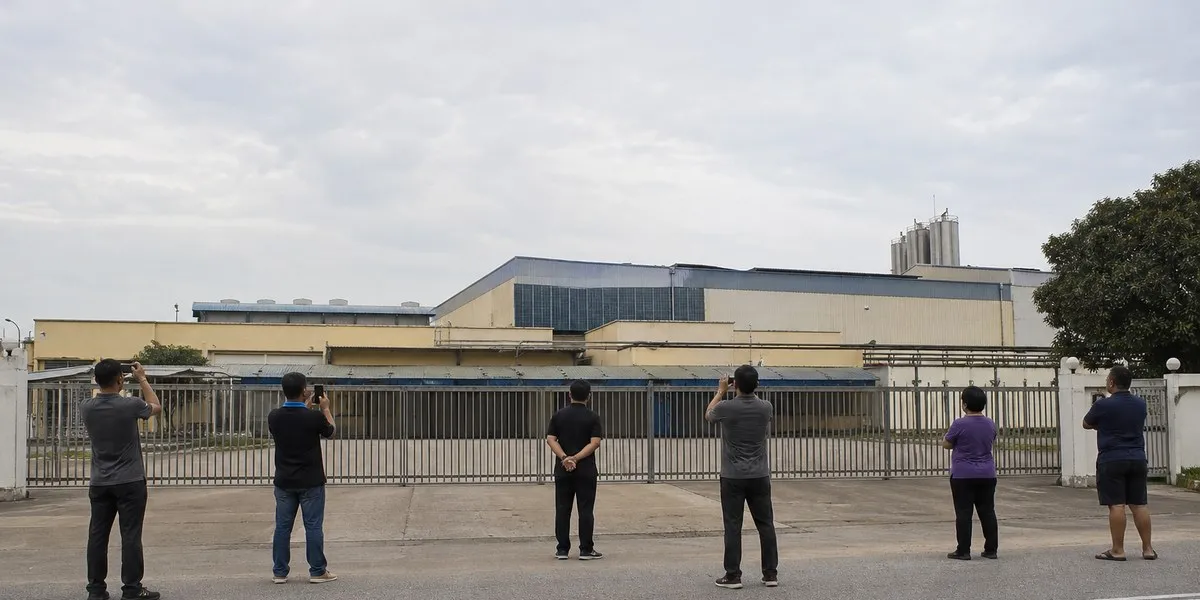
Biscuits manufacturer Lee Biscuits, also known as Nam Lee, was preparing to cease production at its factory in Pontian, Johor, Malaysia, at the end of October 2026. The company has operated for 92 years, and its Marie biscuits, crackers, banana puffs and colourful iced gems biscuits have been familiar products for several generations of residents of Malaysia and Singapore, Channel NewsAsia reports.
During journalists' visit to the factory on 29 October, workers declined to comment on the closure. Some of them took photos near the facility in its final days of operation. Rogayah Othman, who has run a food stall near the factory gates since 2012, said she was saddened by the shutdown because she had grown close to the workers.
From Singapore to Johor
The company was founded in Singapore in 1934 by businessman and philanthropist Lee Kong Chian. He built a business in rubber, pineapple cultivation and manufacturing, and later established, among others, Lee Pineapple, Lee Biscuits and Lee Sawmills.
More current news is available on the UA.News Telegram channel Telegram.
In 1955, Lee Biscuits moved production from Singapore to the Tampoi area in Johor Bahru. As The Rakyat Post reported, this was intended to give the company broader access to Malaysia's agricultural supply chains and industrial space. From 1965, the range was expanded with lemon puffs, iced gems, animal-shaped biscuits, as well as chocolate and butter biscuits.
Move to Pontian and closure
In 2000, the company modernised its production site, and in 2005 moved operations from Tampoi to Pontian for further expansion. In 2008, the facility received ISO and HACCP certifications related to manufacturing standards and food safety.
The factory closure follows the shutdown of the Lee Pineapple cannery in Skudai in November 2023. According to the New Straits Times, the parent group is restructuring its assets and is reportedly moving away from snack manufacturing, focusing on core areas including rubber and palm oil. Suppliers and buyers began receiving notifications about the production halt in September. China Press reported that around 300 workers were expected to remain at the facility by the end of October, mainly for cleaning and other work.




