
Analysts expect a shortfall of 150 space launches by 2030 — Ars Technica
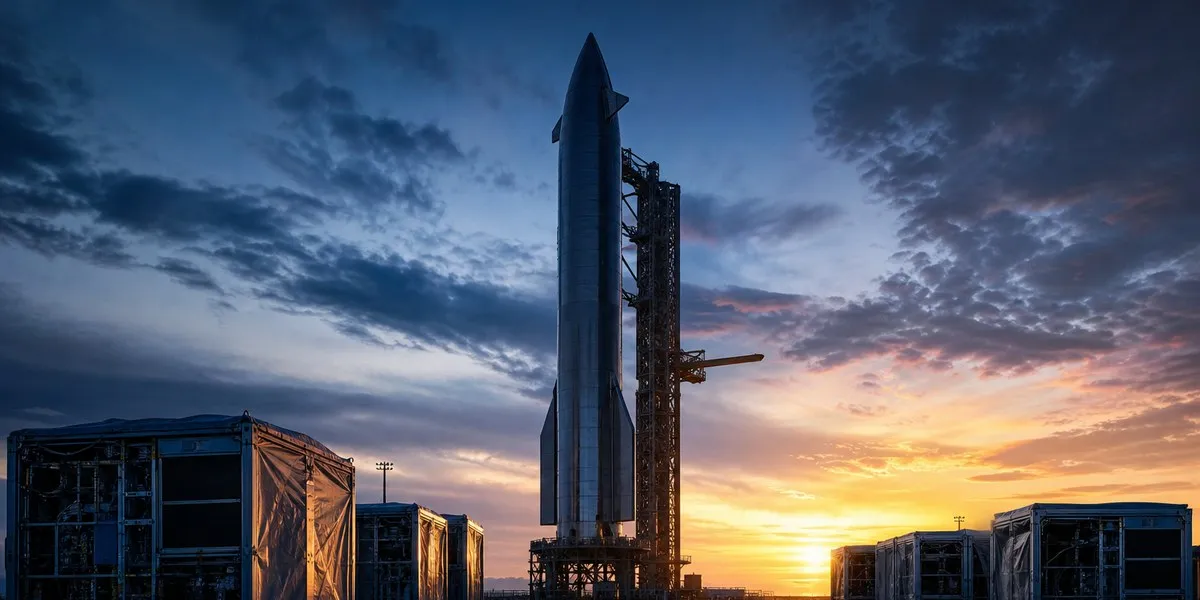
Outside China, the global space industry may face a shortfall of approximately 150 launches by 2030 compared with demand from satellite operators and civil space agencies. This forecast was made by analytics firm Quilty Space in a new report, Ars Technica reports.
Quilty Space research director Caleb Henry said the problem with launch availability proved more serious than analysts had expected. In his assessment, the shortfall will certainly not disappear during this decade and may persist into the late 2030s.
The shortfall is forecast to peak in 2028
The report cites Russia's war against Ukraine, which has caused Russian rockets to disappear from the Western market, growing demand from the Amazon Leo project, and delays in the development of new launch vehicles among the reasons. These include New Glenn, Vulcan, Neutron, Terran R, and Nova. Analysts also consider the winding down of Falcon 9 use for commercial launches an additional factor.
At the same time, demand for deploying satellites is growing because of large satellite constellations, including Amazon's, as well as numerous small-satellite startups. According to Quilty Space's forecast, the situation is expected to become most acute in 2028, after which the shortfall should gradually decrease. Henry advised operators needing a launch not to delay booking.
More current news is available on the UA.News Telegram channel Telegram.
The role of Starship and New Glenn
One of the key factors remains SpaceX's strategy regarding Starship. The rocket's large payload capacity and potential for rapid reuse could ease the shortfall, but SpaceX is not promoting Starship as a commercial launch option. The report also notes that there is no evidence of the development of a larger payload door in the fairing for traditional satellites and spacecraft.
Telesat CEO Dan Goldberg suggested that, for launch on Starship, the company's next-generation satellites would need to be compatible with the dispenser that SpaceX will use for its own Starlink spacecraft. Quilty Space also forecasts eight New Glenn launches in 2028, 12 in 2029, and 16 in 2030, although Blue Origin accelerating its pace could improve the situation.
Demand from the U.S. military could become a separate factor. The U.S. Space Force previously increased its projected launch needs across two tracks of the national security program: to approximately 170 launches in the first and 79 in the second. Quilty Space did not include this demand in its main shortfall calculations.




