
Sheeppox virus DNA found on parchment in medieval manuscripts
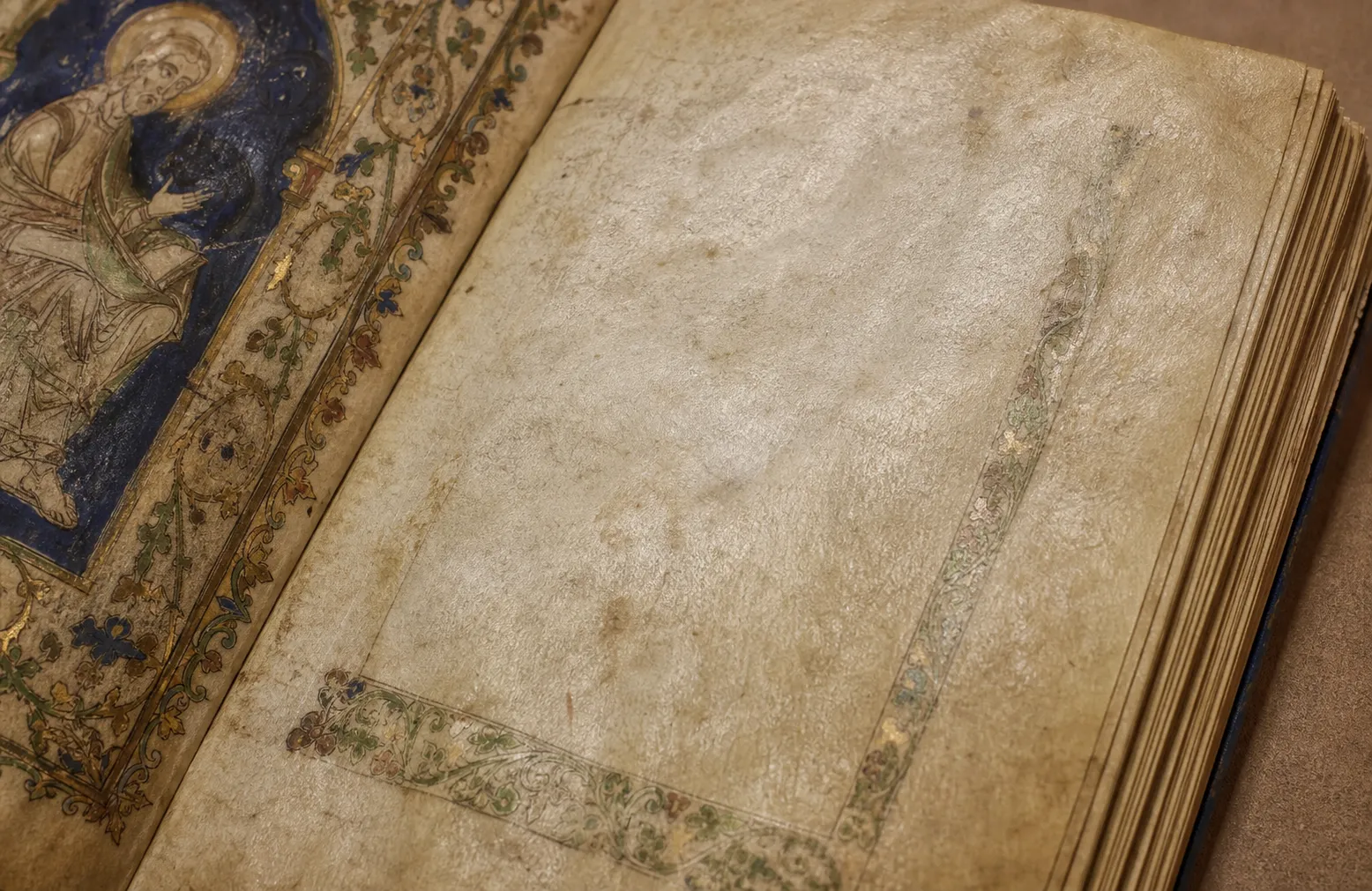
Scientists have discovered and sequenced sheeppox virus DNA in the parchment of medieval manuscripts from library collections in Europe and the United States. This made it possible to trace the pathogen’s evolution over approximately 3,500 years, Ars Technica reports.
Sheeppox is a highly contagious viral disease that often leads to the death of animals. In the 20th century, it was largely eradicated among livestock in many regions of Europe, but regional outbreaks still occur. In particular, last year the disease affected numerous flocks in Greece.
Samples from library collections
Researchers analyzed samples from manuscripts held at Yale University, the University of Cambridge, Corpus Christi College, University College Dublin, Lambeth Palace Library, and Trinity College. The examined artifacts included pages from the 15th-century Speculum Historiale, 15th-century Clairvaux manuscripts, fragments of 9th-century Gospel texts, the Achaedeus Psalter, the early 11th-century Trinity Gospels, the Lambeth Bible, and the York Gospels, which are about a thousand years old.
DNA of the sheeppox pathogen was detected on many pages, including pages from the same manuscript. According to the authors of the study, this means that the skins of infected animals could have been used to make parchment, and medieval flocks likely experienced frequent outbreaks of the disease.
More current news is available on the UA.News Telegram channel Telegram.
Ancient viral genomes
Traces of the virus were also found on parchment made from calf and goat skin. The authors noted that this may indicate cross-species infection or contamination during parchment production.
In addition, the team extracted DNA from the teeth of Bronze Age sheep found at settlements in Russia and Central Kazakhstan. Overall, the researchers reconstructed 21 ancient genomes spanning the period from 1700 BCE to the early modern period in Europe. Comparison of these sequences showed that the sheeppox virus diverged from goatpox and lumpy skin disease viruses, which belong to the genus Capripoxvirus, approximately 11,500 to 3,700 years ago.
Study co-author Louis L’Hôte of University College Dublin said that archives and libraries in different countries may preserve genetic traces of ancient disease outbreaks among animals.




