
FAA orders inspections of 60 Boeing 787s over fuel tank explosion risk — AeroTime
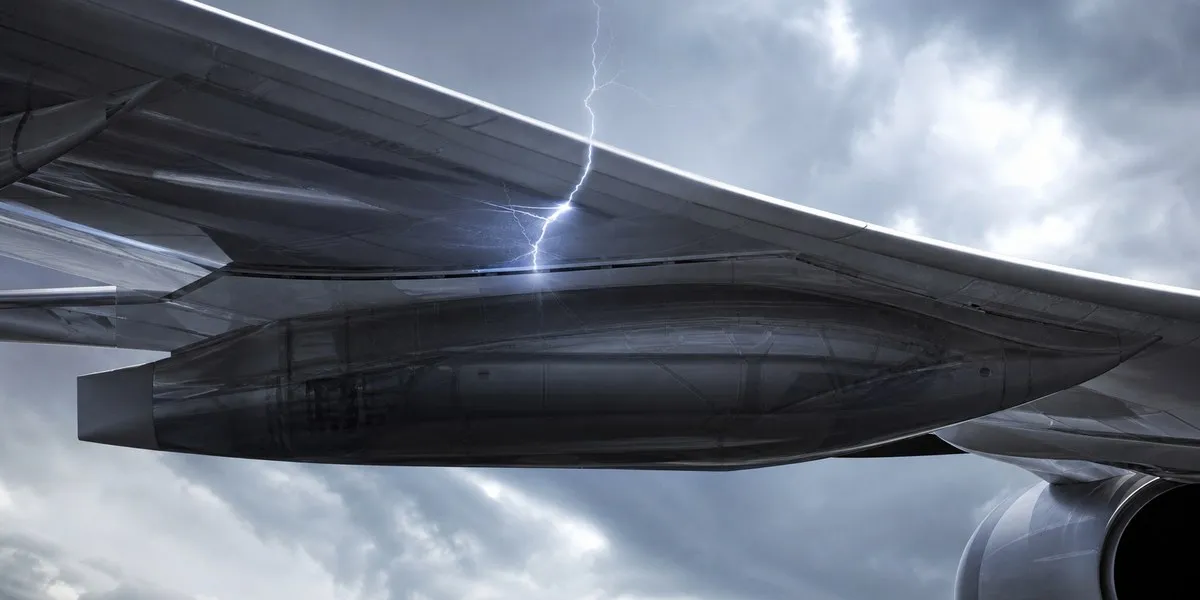
The US Federal Aviation Administration (FAA) has issued an airworthiness directive for certain Boeing 787 Dreamliner aircraft, including the 787-8, 787-9 and 787-10 models. It requires inspections because there is no confirmation that mandatory manufacturing inspections of sealant in the center fuel tank were conducted. According to the agency’s estimate, the requirement applies to 60 aircraft registered in the United States, AeroTime reports.
Risk during a lightning strike
The FAA published the directive on November 2, 2026, and it will take effect on December 7. It concerns sealant application areas inside the center fuel tank for which visual inspections and adhesion tests were not completed during production or could not be confirmed.
The regulator warned that defective sealant could create conditions for an ignition source inside the fuel tank during a lightning strike. According to the FAA, this could lead to the ignition of fuel vapors and a tank explosion.
More current news is available on the UA.News Telegram channel Telegram.
Inspections and possible repairs
Operators must conduct detailed inspections of the sealant in the left, right and center wing areas near the fuselage, including areas between the rib near the fuselage and the second rib. The inspections will check for sealant defects, surface depressions and insufficient material adhesion.
Any identified deficiencies must be corrected using approved repair procedures. The work will be carried out in accordance with a Boeing requirements bulletin issued on November 5, 2025. The FAA estimates that inspections and adhesion tests will require approximately 34 work hours per aircraft and cost $2,890. The total estimated cost for 60 aircraft is $173,400, excluding possible repairs.
During discussions of the proposed directive, Boeing and American Airlines asked for clarification of the repair requirements. The FAA agreed to allow the use of current approved Boeing procedures. The agency also stated that the required inspections are already performed during the production of aircraft not covered by the new directive.




