
US Command Says It Has a Common Operational Picture with Partners — Breaking Defense
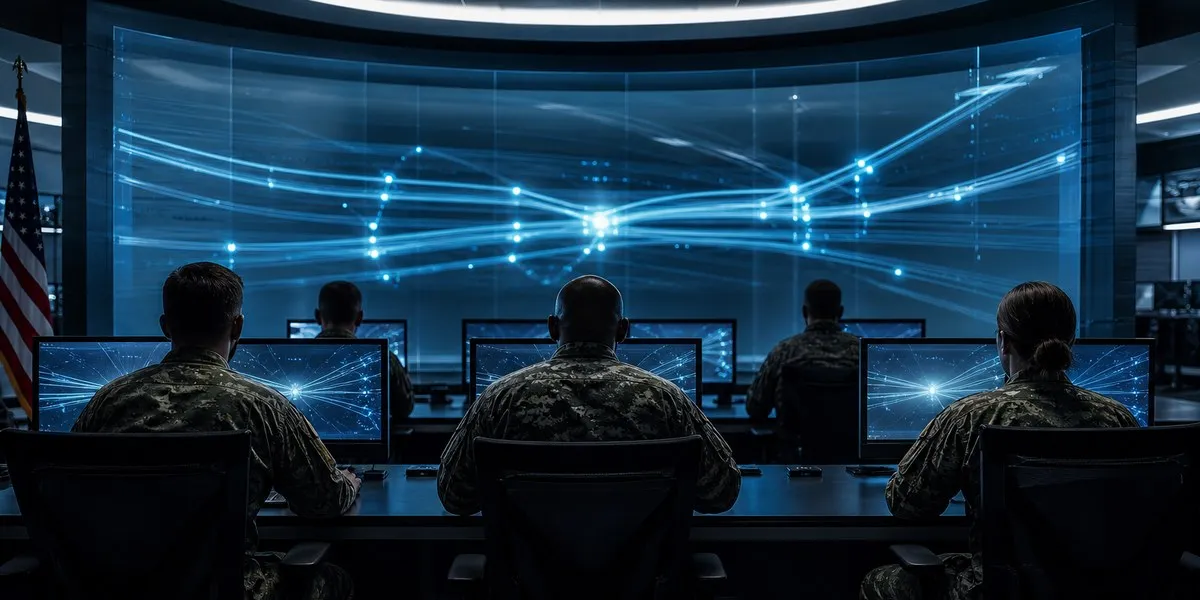
In Washington, US Indo-Pacific Command stated that in 2026 its allies and partners in the Pacific region gained the ability to operate with a common operational picture. This concerns the PACOM Mission Network, a system that enables US forces and partners to securely share data and operational planning tools at different classification levels, Breaking Defense reports.
Common environment
Brigadier General Michael Smith, the Indo-Pacific Command's director for command, control, communications, computers and cyber, said at the TechNet Indo-Pacific conference that 2026 was the first year in which the command's capabilities operated in a multilateral environment. According to him, partners are using combat applications and tools alongside the United States while having a single operational picture.
Smith noted that the command had previously used mainly bilateral systems and networks, some of which are still functioning. He described the new environment instead as multilateral, data-centric and using a zero-trust approach.
More current news is available on the UA.News Telegram channel Telegram.
Exercises and the Maven system
PACOM Deputy Commander Lieutenant General George Rowell said that the system was used during several major exercises over the past year. According to him, the command conducted 17 exercises in nine host countries involving 35 nations.
Rowell said that allies and partners communicated, planned and carried out tasks together for the first time, using common tools, data flows and language translation. He linked reliable command and control of forces to deterring potential adversaries, particularly when core systems are suppressed or disabled.
Smith also cited Japan as an example: its representatives used the Maven Smart System for the first time, an artificial intelligence platform for planning and target selection integrated into the network. According to him, the Japanese side is using this system to take part in joint strikes and close target engagement cycles.




