
"Luna-24" brought back 170.1 grams of lunar soil to Earth
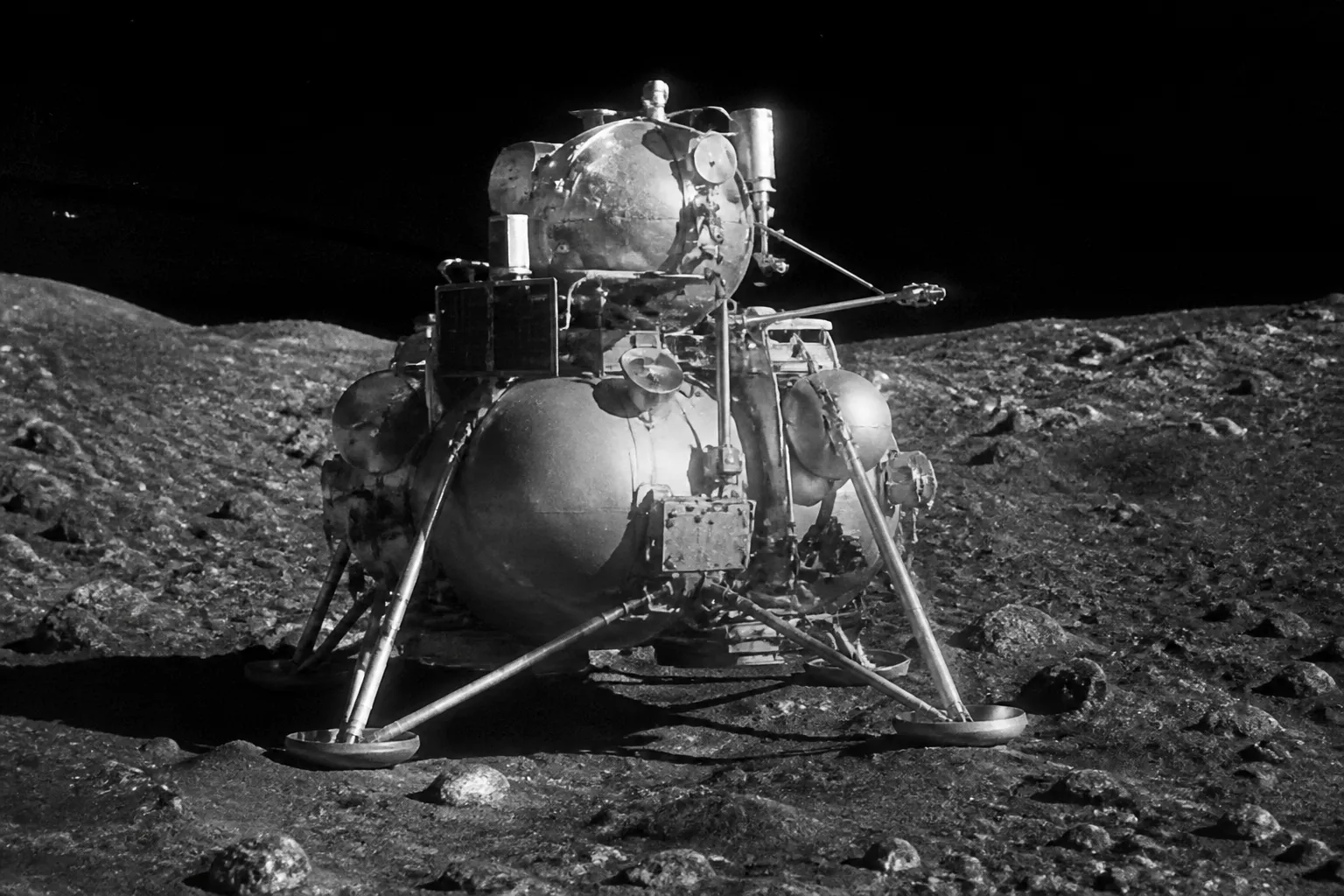
On August 9, 1976, the Soviet unmanned lunar probe “Luna 24”—the USSR’s final lunar mission—was launched from the Baikonur Cosmodrome in Kazakhstan. The spacecraft was launched by a Proton-K carrier rocket. After its flight, the probe landed in the Sea of Crises—a dark plain on the Moon’s surface.
“Luna 24” collected 170.1 grams of lunar soil samples and returned them to Earth on August 22, 1976, according to Space.com. Researchers later detected trace amounts of water in the delivered regolith—approximately 0.1% of the samples’ mass.
The mission was the third Soviet robotic sample-return mission. The design of such spacecraft included a landing stage, a ascent stage, and a return capsule. After collecting soil samples, the ascent stage with the capsule launched from the Moon less than a day after landing.
For more breaking news, follow the UA.News Telegram channel.
The previous mission in this series, “Luna-23,” sustained damage during landing and was unable to return samples. Images taken by NASA’s Lunar Reconnaissance Orbiter indicate that “Luna-23” likely tipped over onto its side. This spacecraft also captured images of the landing stages of “Luna-16,” “Luna-20,” and “Luna-24,” which remain on the Moon’s surface.
As part of the “Luna” program, the Soviet Union carried out a series of early lunar missions. In 1959, “Luna-2” became the first spacecraft to reach the Moon’s surface, crashing into it. In February 1966, Luna 9 became the first spacecraft to make a soft landing on the Moon.




