
3D-printed salmon made from plant-based ingredients has gone on sale in the U.S.
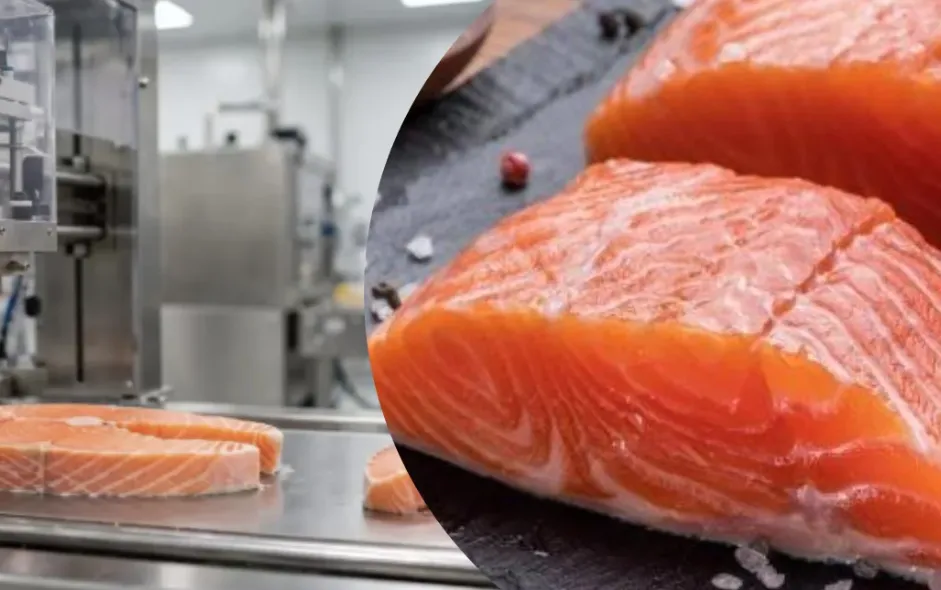
Sales of a plant-based alternative to salmon, produced using 3D printing, have begun in the U.S.
The product contains no actual fish; its shape and texture are created from plant-based ingredients.
The new product is produced by the Israeli company Steakholder Foods under the Perfecta brand. In September 2026, the product went on sale in the northeastern U.S. through the natural products distributor KeHE. The plant-based salmon is sold in the form of patties.
A special plant-based paste is used in production, which the printer applies in thin layers. One mixture mimics muscle fibers, while another mimics fat layers. Ingredients include soy and wheat proteins, as well as canola and coconut oils. Beet powder, among other ingredients, gives the product its pink color.
The technology makes it possible to reproduce a structure similar to that of real fish. At the same time, this product is neither natural salmon nor cage-raised fish—it is a plant-based alternative.
The company is also using 3D printing to develop plant-based alternatives to beef, chicken, and other types of fish. Manufacturers aim to make these products as similar as possible to conventional meat and seafood in terms of appearance and texture.
However, outward similarity does not guarantee the same nutritional value. In particular, the content of omega-3 fatty acids, vitamins, and minerals may differ from that of real salmon.
The American company Haddy has created the TF-179 unmanned marine vessel using large-format 3D printing. The developers say this technology allows for faster creation and testing of new marine platforms. However, the key specifications of the drone and its client have not yet been disclosed.
The Chinese corporation Aero Engine Corporation of China (AECC) reported successful flight tests of an ultra-light portable turbojet engine manufactured primarily using 3D printing technology.




