
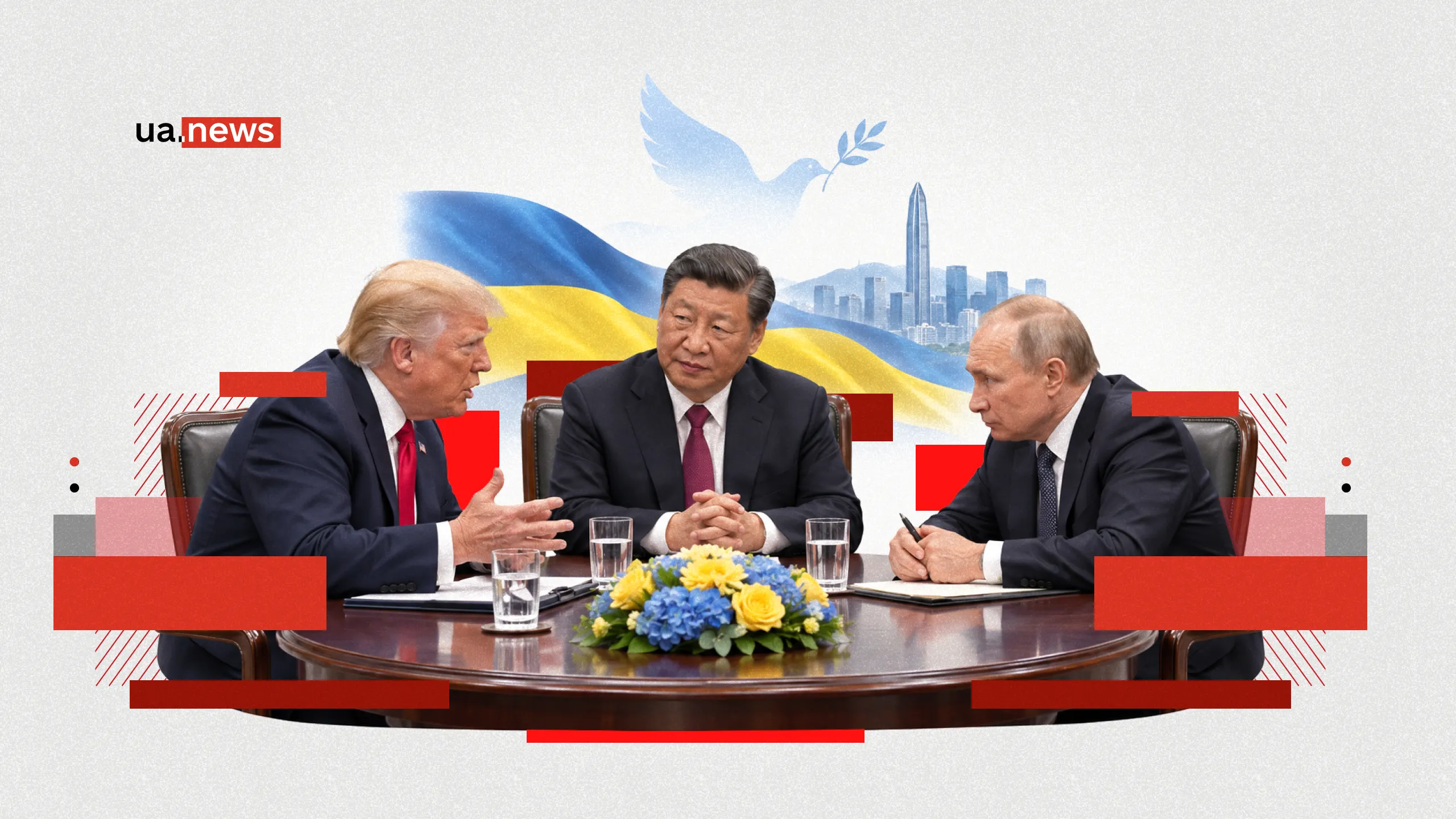
The meeting between Donald Trump, Vladimir Putin, and Xi Jinping at the APEC summit in Shenzhen (PRC) was a significant international event that will undoubtedly have implications for global politics. The very fact of direct dialogue between the leaders of the world’s three most powerful nations—especially amid rising international tensions—is a positive sign. When countries with vast military arsenals, economic resources, and global ambitions not only demonstrate their strength but also attempt to reach agreements, this in itself reduces the risks of uncontrolled escalation. This includes escalation that, in the worst-case scenario, could escalate into a nuclear confrontation.
However, when it comes to the key question for Ukraine—whether peace has become any closer following this summit—the answer, unfortunately, is rather negative. The meeting did not demonstrate a fundamental convergence of positions regarding the Russian-Ukrainian war, did not create a new mechanism for ending it, and did not provide grounds for expecting a rapid cessation of hostilities. Global diplomacy has indeed received a positive boost, but the war in Ukraine remains within its previous framework.
The summit should neither be overestimated nor, at the same time, considered completely fruitless. It did not become a “new Yalta,” did not divide the world into spheres of influence, and did not create a fundamentally new international order. At the same time, the meeting of the three leaders could reinforce existing geopolitical trends, shift the diplomatic positions of certain countries, and create new opportunities for negotiations. For more details, see this article by UA.News political analyst Mykyta Trachuk.
Not a “New Yalta,” but a Confirmation of a Changing World Order
Comparing the current summit to the 1945 Yalta Conference sounds dramatic, but it has very little in common with the actual circumstances. In Yalta, Stalin, Roosevelt, and Churchill represented states that, despite all their differences, shared a common strategic goal: to end World War II, defeat a common enemy, and establish the rules of the postwar order. They did not merely discuss the future; they possessed sufficient military and political capabilities to implement their agreements.
Today, the situation is fundamentally different. The U.S., China, and Russia do not share a common global enemy, and their strategic interests are directly opposed. Washington and Beijing are competing for technological, economic, and geopolitical leadership. Moscow seeks to dismantle the post-Cold War system of international relations, regain its status as a great power, and secure concessions from the West, particularly in the context of the war against Ukraine. China is interested in weakening American dominance, but not in global instability, which could undermine its economic prospects.
Therefore, the current meeting is not a negotiation among allies agreeing on a new world order, but rather an engagement between states attempting to manage their own conflicts, prevent them from spiraling out of control, and simultaneously maximize their own benefits.
However, the symbolic significance of the summit should not be underestimated. The three leaders sitting at the same table demonstrate that the world no longer functions under the conditions of unchallenged American dominance that took shape after the collapse of the Soviet Union. The U.S. remains the world’s most powerful nation for now, but its ability to unilaterally dictate the rules of global politics is gradually dwindling to zero. China has become an economic and technological competitor of such magnitude that Washington is forced to take it seriously. Russia, despite the war, sanctions, and economic problems, retains its nuclear arsenal, its veto power on the UN Security Council, significant resource capabilities, and influence in its sphere of influence.
Thus, the summit did not create a new world order—but it confirmed that the old one is irrevocably changing. And in this transformation, Russia, unfortunately, is gaining the opportunity to return to the arena of major international diplomacy, where discussions with it focus not only on war, sanctions, and accountability, but also on global issues. For the Kremlin, this is already a political achievement.
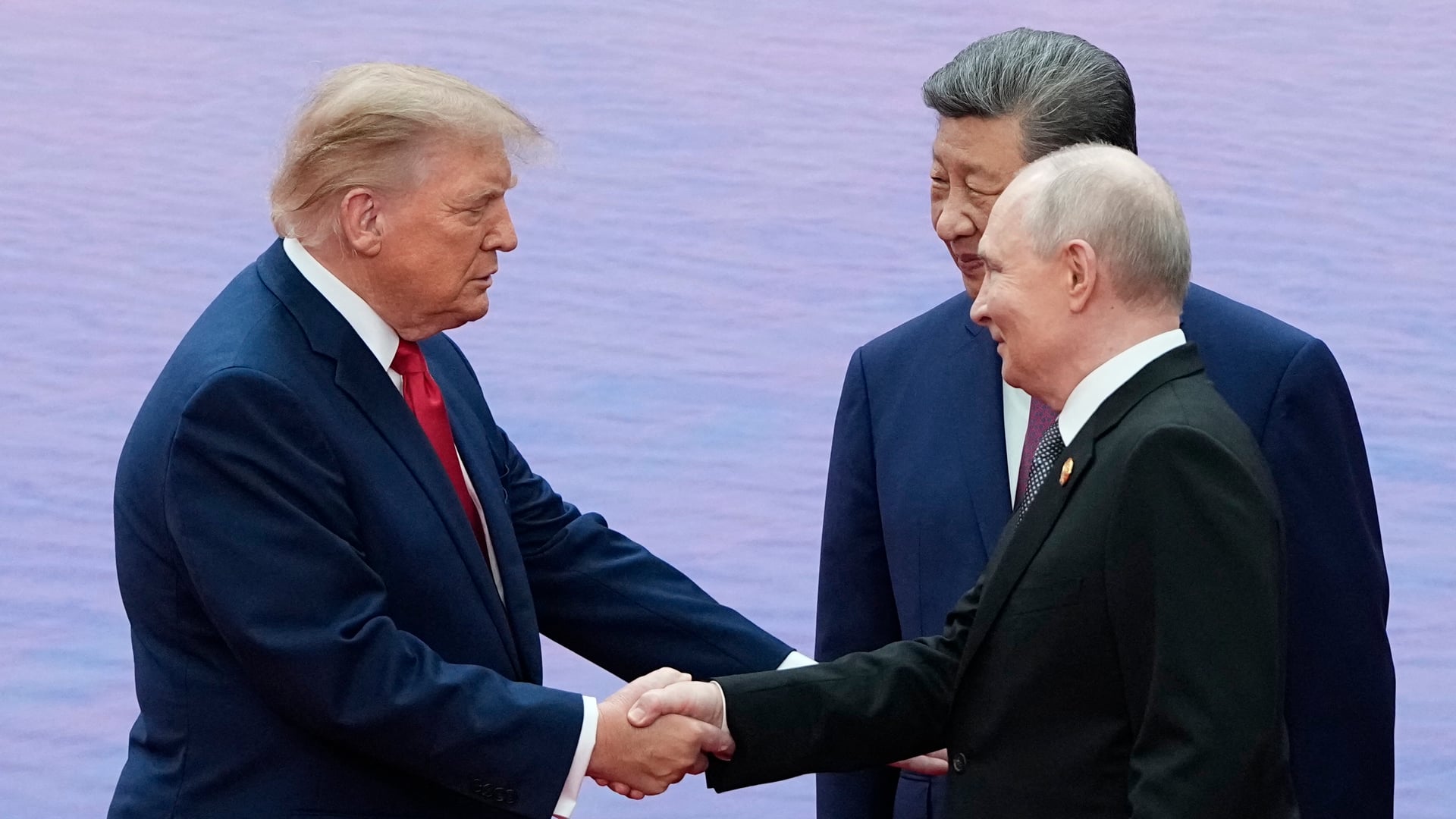
The U.S. and China: Negotiating Without Ending the Rivalry
The most important geopolitical “fault line” in the modern world remains the confrontation between the U.S. and China. This is not merely a trade war, disputes over tariffs, or technology. It is a competition between two centers of power, two different models of development, each vying to set the rules of the global economy and international politics.
Washington is trying to curb the growth of Chinese influence, limit Beijing’s access to technology, maintain its military superiority, and build a network of partnerships in Asia. China seeks to reduce its dependence on American technology and the U.S. financial system by developing its own manufacturing, technological, and military capabilities. For the Chinese leadership, economic growth and technological autonomy are not merely matters of prosperity, but the foundation of national security.
For Ukraine, this has indirect but significant implications. U.S.-China relations influence Washington’s ability to support Kyiv (though, at present, there is de facto no support from the U.S. anyway), the global economy, sanctions policy, and Beijing’s stance toward Russia. A controlled de-escalation between the two countries could have a positive impact on international stability. At the same time, an escalation of their rivalry creates the risk that Ukraine will become a pawn in a broader geopolitical game, in which Kyiv’s interests will not necessarily align with those of the major powers.
China, for its part, has no interest in Russia’s unchecked rise, no matter how much Putin may claim otherwise. For Beijing, Moscow is an important partner, but primarily as a source of resources, energy, and strategic raw material support in its confrontation with the West. However, China cannot and should not view Russia as a truly equal partner simply because Russia is not one.
China needs Russia, but not to the extent that Beijing would be willing to sacrifice its own global interests for the sake of Putin’s desires. That is precisely why China’s calls to prevent nuclear escalation are of fundamental importance: this is arguably the most significant point in the summit’s final declaration. However, one should not view China’s position as an absolute guarantee of deterrence against Russia either: in a critical situation, external influence may prove insufficient.

Putin Gains New Diplomatic Opportunities
Believe it or not, the current international landscape is absolutely, completely comfortable for Putin. Russia continues its war against Ukraine but is not diplomatically isolated: that propaganda narrative was left behind sometime in 2022. China provides crucial economic support to the regime in the Kremlin. The Trump-era U.S. remains a partner for negotiations and business—the current American leader clearly harbors some irrational affection for Russia and Putin—and competition between the centers of power creates additional room for maneuver for the Kremlin.
Trump is interested in restoring relations with Russia. For the U.S. president, this is an opportunity to reduce the risks of a global confrontation and, in the long run, prevent an even closer alignment between Moscow and Beijing. In this logic, Russia is not only an adversary in the context of Ukraine but also a potential balancing factor in the broader rivalry with China.
Putin will certainly exploit this interest to reap maximum political, economic, and diplomatic dividends, without abandoning his key objectives in the war against Ukraine. The Kremlin may count on Washington’s desire to end the conflict to put additional pressure on Kyiv and European capitals, forcing them to agree to compromises.
However, Trump’s options are also limited. The U.S. is a complex political system where the president cannot single-handedly determine all foreign policy decisions (though he tries very hard to do so). Congress, internal party disputes, and the positions of allies, the military, and the public all influence his negotiating power. Washington may seek an end to the war, but that does not mean it is willing to accept any terms the Kremlin sets.
For Putin, there are two main scenarios. The first is to take advantage of the current international situation to negotiate an end to the war on the most favorable terms possible, consolidate military gains, and secure certain concessions. The second is to continue the war, counting on the West’s weakening, Europe’s internal problems, political changes in the U.S., and the gradual strengthening of his own position. Which option Putin has chosen is a rhetorical question. This is evident even from today’s massive nighttime shelling of Ukraine.
The APEC summit by no means implies that the Kremlin has chosen the path to peace. Rather, each side has staked out its position and intends to continue moving along its established course.
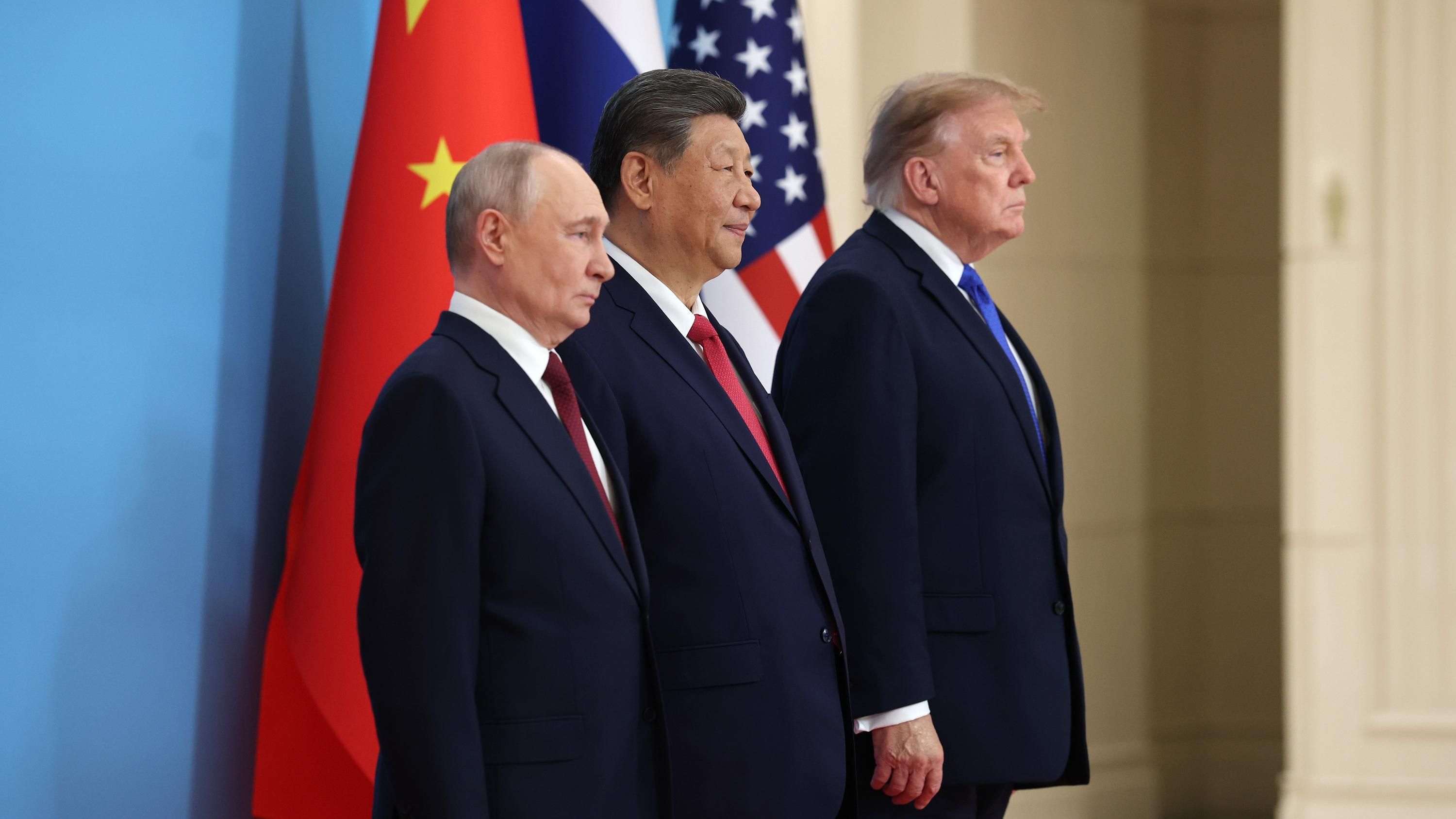
The
agreement among the three leaders does not constitute an agreement regarding Ukraine
The main problem is that the meeting of global leaders does not resolve the fundamental contradictions of the Russian-Ukrainian war; rather, it reinforces them. Territory, security guarantees, the future of the Ukrainian state, sanctions, accountability, and Ukraine’s strategic orientation—all these issues remain unresolved.
Trump may negotiate with Putin, Xi may call for stability and diplomacy, and Russia may demonstrate a superficial willingness to make peace. But none of these factors automatically creates a compromise between Moscow and Kyiv. To end the war, the parties must either change their strategic objectives or find a formula under which ceasing hostilities would be more advantageous than continuing them. This has not yet happened, and there is no indication that it will happen anytime soon.
International diplomacy can create the conditions for peace, but it cannot replace the parties’ political will to achieve it. And as of the end of 2026, that will is lacking.
The summit between Trump, Putin, and Xi is, on the whole, quite significant for global politics. In an increasingly fragmented world, direct dialogue between the major centers of power reduces the risk of uncontrolled escalation, creates opportunities for crisis management, and potentially diminishes the threat of direct military—including nuclear—conflict.
But for Ukraine, this meeting did not mark a turning point. Peace has not come any closer, as the fundamental causes of the war remain, and the parties’ positions show no significant convergence.
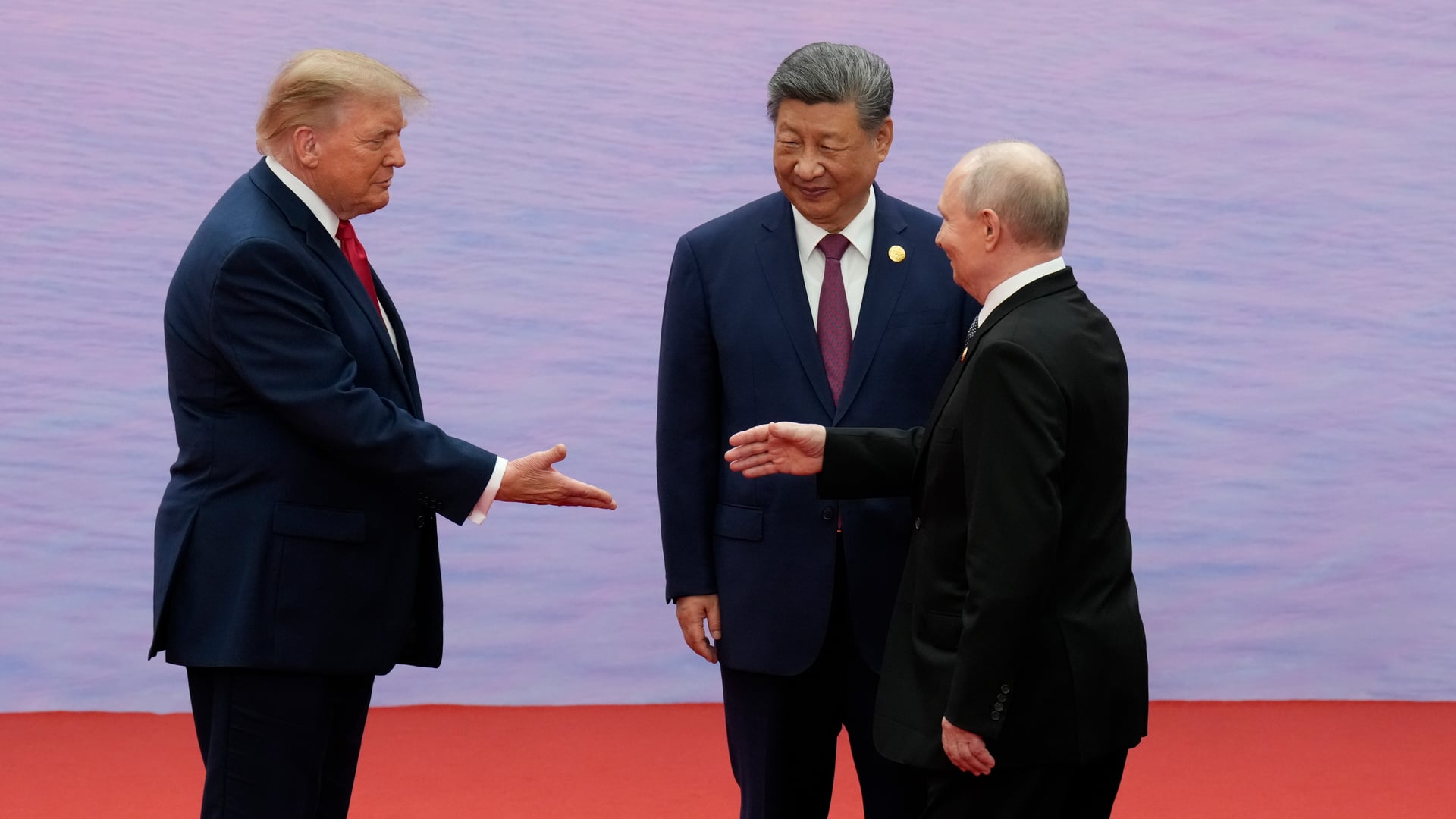
The
key takeaway from the summit: the world is gradually transitioning to a more complex system of international relations, in which no single state can unilaterally control all processes. This creates both new opportunities and new risks for Ukraine. In such a world, diplomacy becomes even more important, but at the same time, no negotiations can guarantee a fair or swift outcome.
The meeting of the three leaders may bring the world closer to a more controlled coexistence among major powers—but, unfortunately, it has not brought peace any closer in Ukraine. Ending the war requires concrete decisions, specific agreements, and real shifts in the parties’ positions. And until that happens, it is by no means worth expecting a swift end to the war based solely on the summit between Trump, Xi, and Putin.




