
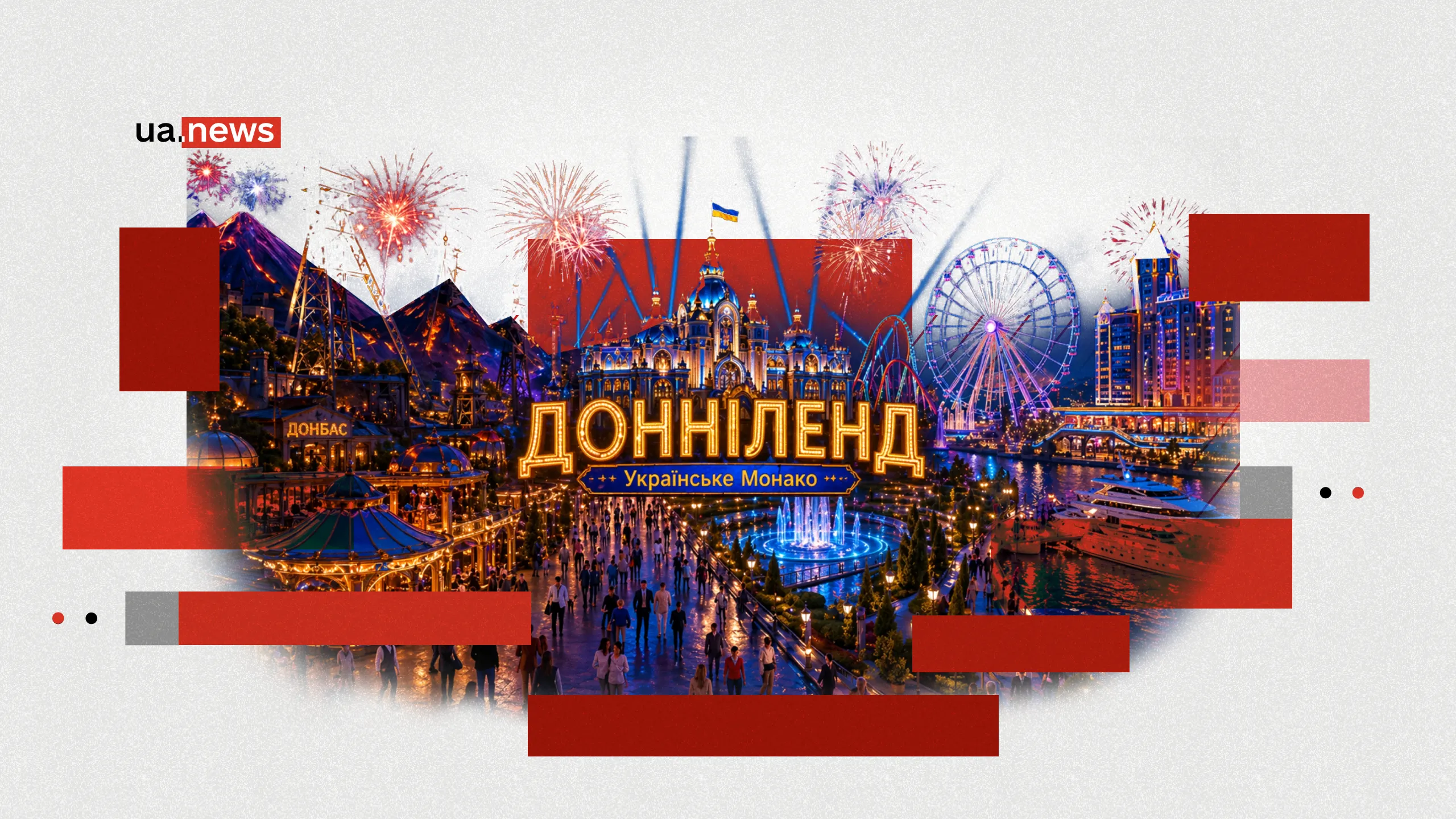
On Tuesday, April 21, the American newspaper The New York Times published an article that sparked a mix of surprise, ironic jokes, and deep reflection. The story reported that during informal talks between American and Ukrainian negotiators, the latter floated the idea of naming the part of Donbas controlled by Ukraine “Donnyland.” The name, combining “Donbas” and Donald Trump’s informal nickname—“Donny”—was intended to appeal to the American president’s well-known vanity and pride, in order to sway him toward Ukraine and a tougher stance against Moscow.
Among the accompanying ideas were the creation of symbols for this territory, including a flag in green and gold, as well as an anthem generated using artificial intelligence. Additionally, there was discussion of granting this territory special status—with elements of a semi-autonomous mini-state and an offshore economy similar to Monaco’s.
Jokes aside, behind this frankly strange and amusing proposal lies a very serious conversation about what the future of Donbas might actually look like if, by some miracle, the war were to end.
What models were discussed behind the scenes of diplomatic meetings? Are any of them realistic? And why, despite their fantastical nature, does the very emergence of such ideas deserve attention? UA.News political analyst Mykyta Trachuk looked into the matter.
“The Monaco Model”: An Offshore Mini-State in the Middle of Donbas
The most concrete and well-developed of all the unconventional proposals turned out to be the so-called “Monaco model.” Unlike “Donniland,” which remained more of a humorous metaphor in casual conversation, the term “Ukrainian Monaco,” as reported in the media, even appeared in draft agreements. What exactly lies behind this name?
It refers to the creation of a sort of semi-autonomous “mini-state” with the status of an offshore economic zone in the part of Donbas controlled by Ukraine. In effect, this would mean the emergence in eastern Ukraine of an entity whose legal and economic regime would indeed resemble the Principality of Monaco: its own tax system, special conditions for doing business, and international status that would guarantee non-interference from outside.
The idea was that such a model could serve as a compromise, allowing for the avoidance of a new direct confrontation between Ukraine and Russia over this territory. Neither side would gain full control; instead, the region would become a neutral economic hub with international security guarantees. Some sources even suggested that Trump’s “Peace Council” could be involved in managing such a zone.
Of course, this idea raises far more questions than it answers, and it is difficult to discuss it seriously. Who exactly would ensure security in a territory that was just the epicenter of the bloodiest war in Europe since World War II? How would an offshore zone align with Ukrainian legislation? And most importantly—would Russia, which consistently demands full control over Donbas, agree to the creation of such a zone, which would effectively slip out of its influence?
However, despite its exotic nature, the very appearance of the “Monaco model” in draft agreements indicates that the parties—at least at the level of informal consultations—are seeking unconventional solutions to the total deadlock in which negotiations have been stuck since February 2026.

Free Economic Zone in Donbas
In parallel with the discussion of the “Monaco model,” another, more traditional concept had previously been raised in the negotiations: the creation of a free economic zone (FEZ) in Donbas. This idea was actively promoted by the American side as one of the key points of a potential peace agreement. The essence of the U.S. plan was to create a zone with a special legal and tax regime in the part of Donbas controlled by Ukraine, from which both Ukrainian and Russian troops would be withdrawn. In effect, this involved freezing the line of contact with the possibility of subsequent economic recovery of the region under international supervision.
The Ukrainian authorities approached this idea with caution. On the one hand, Zelenskyy acknowledged that such an agreement would be easier for foreign partners to implement and monitor. On the other hand, Kyiv insisted that the creation of a special economic zone should not imply any concessions regarding sovereignty or recognition of Russian territorial claims.
The Kremlin, however, viewed the idea of a special economic zone with outright skepticism. Moscow consistently demanded full control over Donbas, including those areas currently under Ukrainian control, and showed no willingness to compromise on measures such as creating zones with special status that would not be under its direct influence. It was precisely this intransigence on the part of the Russian Federation that was the main reason why negotiations on the SEZ never got off the ground.
Special Status Under the Minsk Agreements
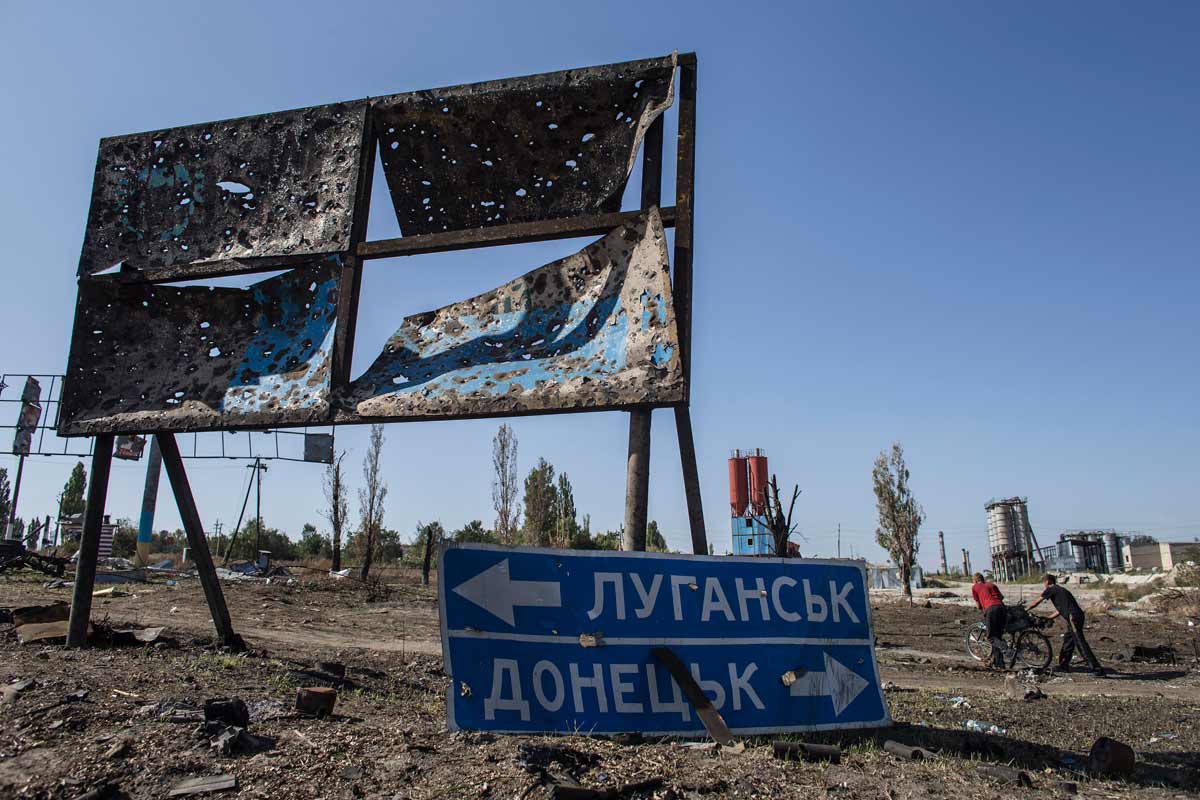
It is worth mentioning another model that has been under discussion the longest: granting certain regions of Donbas “special status” within Ukraine. This idea emerged as early as September 2014, when the Verkhovna Rada adopted the law “On the Special Procedure for Local Self-Government in Certain Regions of Donetsk and Luhansk Oblasts.”
The law provided for the introduction of a special procedure for local self-government in areas that were already under the control of pro-Russian separatists at the time. Key provisions included amnesty for participants in the events in Donbas, the right to use the Russian language in official communications, the formation of a local police force with the participation of local residents, and a special economic regime aimed at reviving industry and creating new jobs.
However, the practical implementation of the law proved extremely problematic. First, it was to take effect only after local elections were held in these territories in accordance with Ukrainian law and under international observation—a condition that the Russian side and the groups under its control consistently rejected. Second, the very idea of special status for Donbas provoked fierce opposition from the more passionate segment of Ukrainian society: any concessions were traditionally perceived as capitulation.
In 2019, Zelenskyy returned to this topic, declaring his readiness to draft a new law on the special status of Donbas that would take “red lines” into account. However, following the full-scale invasion on February 24, 2022, any talk of special status for the occupied territories became impossible.
Demilitarized Zone: A Buffer Instead of Peace
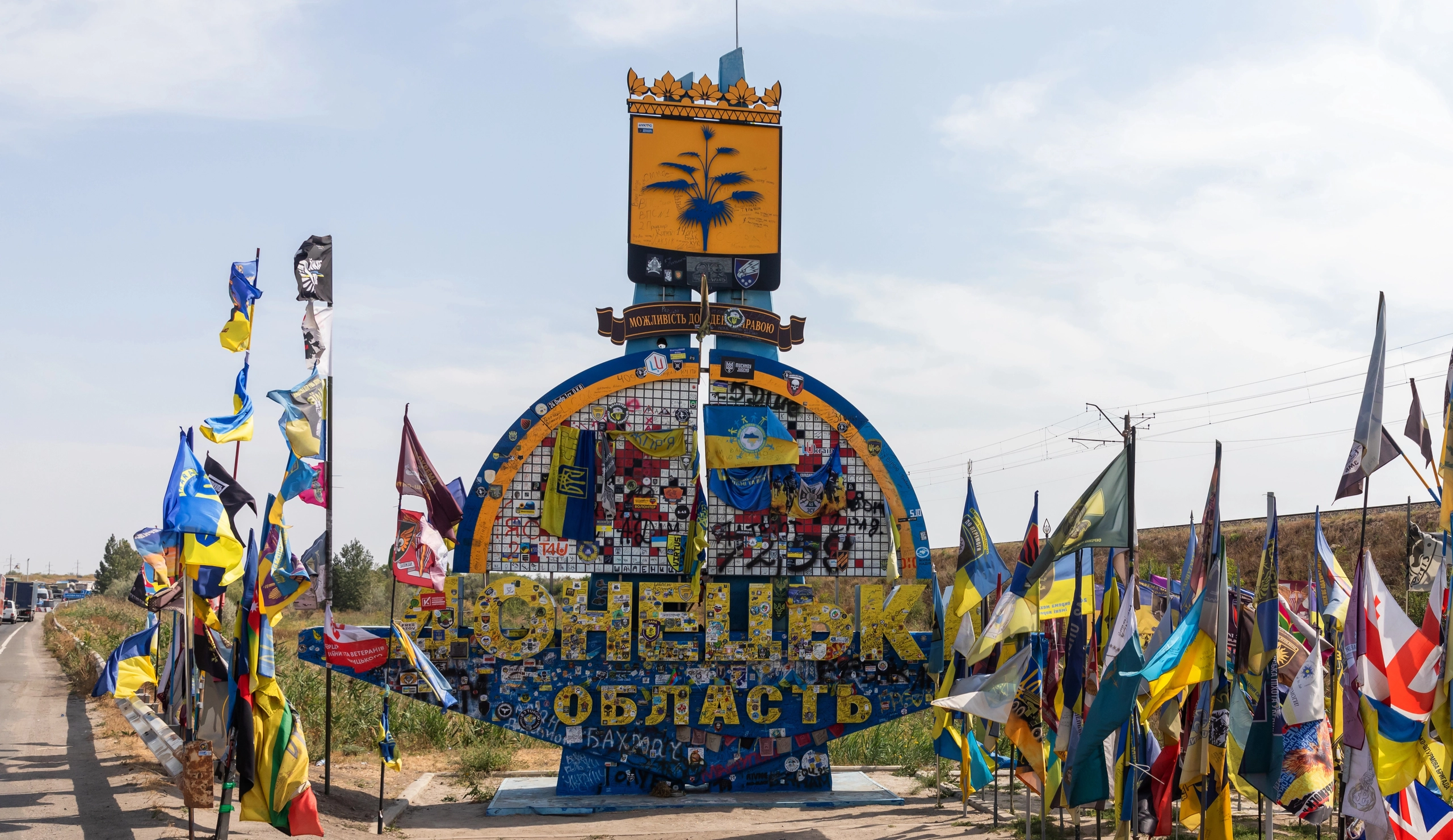
Another option that occasionally surfaces in discussions about the future of Donbas is the creation of a demilitarized zone along the contact line. This model involves the withdrawal of both sides’ troops to a specified distance, the deployment of international observers or a peacekeeping contingent, and the establishment of a regime under which neither side would have the right to station heavy weapons or military formations in this zone.
Unlike the “Monaco model” or the Free Economic Zone (FEZ), a demilitarized zone is a purely technical solution, not an economic or political one. It does not answer questions such as under which flag people in this zone will live, by which laws life will be governed, who will ensure law and order, and so on. Its main goal is to cease hostilities and create a physical barrier between the warring parties.
That is why a demilitarized zone is often viewed not as an independent settlement model, but as the first step toward implementing more comprehensive solutions. Combined with a special economic zone or special status, it could create conditions for the gradual restoration of normal life in the region. However, without an answer to the key question—under whose control will Donbas ultimately end up?—a demilitarized zone is unlikely to work.
Why there won’t be a “Monaco in Ukraine”: from dreams to reality
All of the models listed above—from the exotic “Donniland” to the more down-to-earth FEZ—share one common feature: they are based on the assumption that the parties are ready to compromise. Reality, unfortunately, suggests the opposite.
Russia consistently seeks the complete annexation of Donbas, including those areas still under Ukrainian control. Moscow will not agree to any half-measures that would leave these territories outside its control. Putin has repeatedly stated that he will continue military operations until he achieves “all the objectives of the ‘special military operation.’”
The Ukrainian government, for its part, is also unwilling to make any territorial concessions. Despite all the pressure, Kyiv insists on restoring territorial integrity within internationally recognized borders. Any proposals involving even a temporary relinquishment of control over part of the territory are viewed by political leaders and a segment of society as unacceptable.
Consequently, the peace talks involving Ukraine, Russia, and the U.S.—during which the ideas of “Donniland” and the “Monaco model” emerged—reached an impasse and effectively ceased as early as late February 2026. And although informal contacts continue, no progress on the issue of territorial settlement has been achieved to date.
In summary, “Doniland” is undoubtedly a frankly bizarre episode in the complex history of diplomacy surrounding Ukraine. The half-joking proposal to name part of Donbas after Trump, the creation of a flag and even an anthem using ChatGPT—all of this looks more like the plot of a B-grade political comedy than a serious diplomatic initiative.
But if we set aside the jokes and look at the essence of the models under discussion—“Ukrainian Monaco,” a special economic zone, special status, a demilitarized zone, and so on—it becomes clear that they all run up against the same wall: a lack of willingness to compromise, which any of these models requires. Russia seeks to continue its occupation of territories, while Ukraine demands the restoration of its territorial integrity. There is simply no room for maneuver between these two positions—at least at this stage.
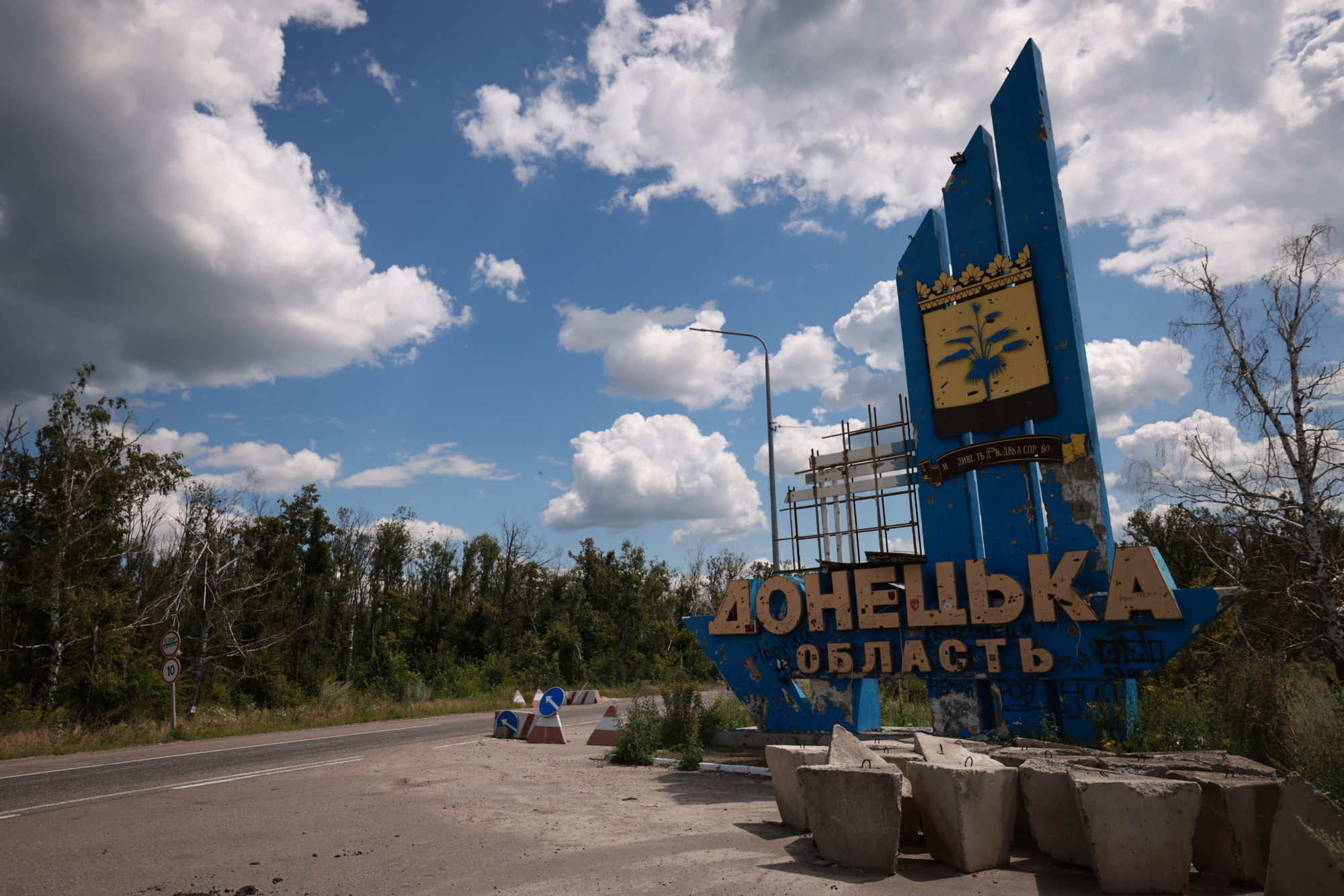
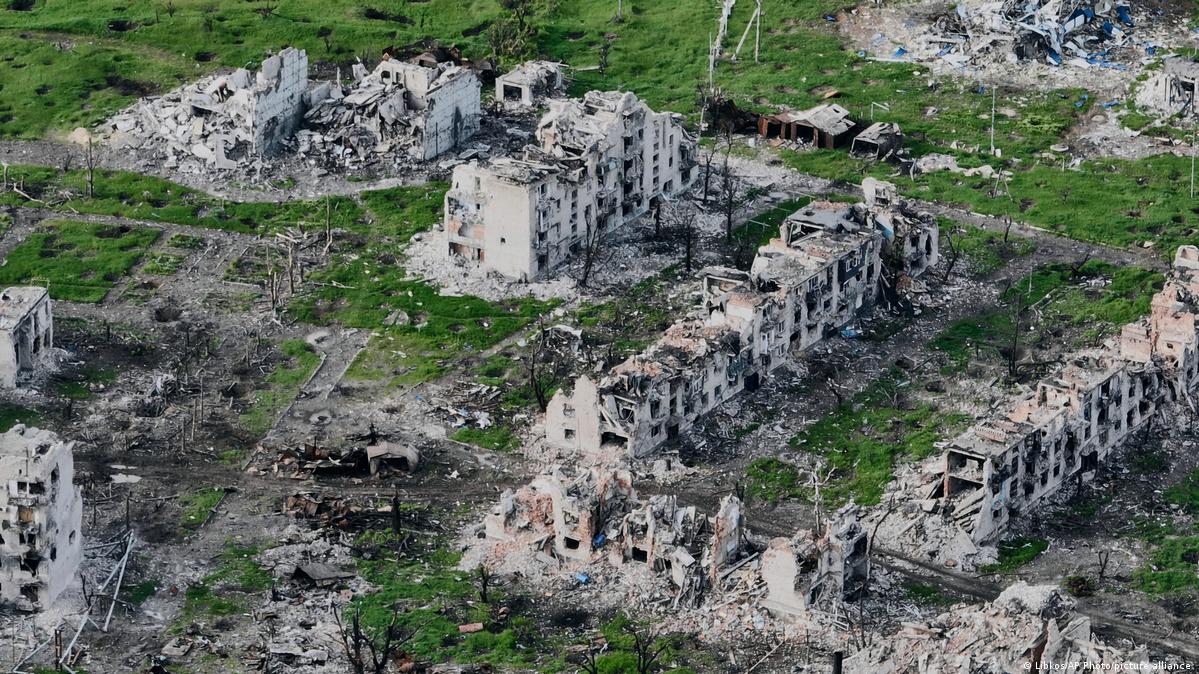
So while the media and experts joke about “Donniland,” the real Donbas continues to be destroyed, turning into a desolate “death zone.” The Russian army is methodically razing to the ground the towns and villages that remain under Ukrainian control, and negotiations have come to a complete standstill. Unfortunately, the most likely scenario for the remaining parts of the Donbas under Ukrainian control is not a transformation into a “Ukrainian Monaco” or the creation of a free economic zone, but further physical destruction until it is reduced to rubble.


