
Russian pranksters impersonated Umerov and deceived OpenAI executives
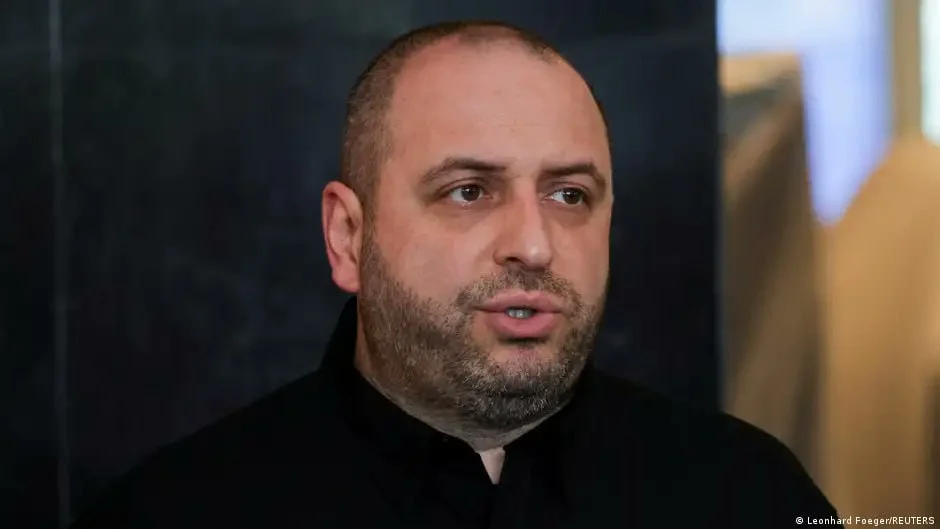
Russian pranksters Vovan and Lexus impersonated Rustem Umerov, the head of Ukraine’s Foreign Intelligence Service, and made a video call with three high-ranking OpenAI officials. During the 17-minute conversation, they discussed potential cooperation with Ukraine, the military use of artificial intelligence, and the company’s contacts with the Ukrainian Ministry of Defense. OpenAI confirmed that the meeting took place but later realized that they had been speaking with Russian pranksters rather than a Ukrainian official.
The recording of the conversation was published by Vovan and Lexus themselves—a Russian duo known for pranking politicians, officials, and other public figures. One of the pranksters, Vladimir Kuznetsov, told reporters that organizing this meeting wasn’t particularly difficult. First, he and his partner contacted a Ukrainian official in San Francisco and introduced themselves as Rustem Umerov.
According to Kuznetsov, this official had already tried to establish contact with OpenAI through the Ukrainian community in California. He had also spoken with one of the future participants in the meeting. So, believing he was speaking with the real Umerov, the official offered to set up a video call with company representatives.
Who Participated in the Conversation
Three high-ranking OpenAI officials joined the video call:
- Sasha Baker—Head of National Security Policy;
- Caroline Zir — Head of Strategic Initiatives;
- Ben Crumpton — Head of European Security.
All three previously worked in government agencies. Baker and Zir held senior positions at the U.S. Department of Defense, while Crumpton has experience working at the European Union and the United Nations.
According to The Intercept, Baker and Zir said they had met with Umerov before and expressed their delight at the prospect of a new conversation. At the same time, the person posing as a Ukrainian official kept his camera off throughout the call.
What Was Discussed with the Fake Umerov
The main topic of the meeting was OpenAI’s potential military cooperation with Ukraine. Specifically, the participants discussed how artificial intelligence technologies could help Ukraine defend against Russian aggression, as well as whether they could be used in offensive operations.
Ben Crumpton stated that the company is interested in having the closest possible relationship with Ukraine. At the same time, he acknowledged that it might not be easy to reach the desired level of cooperation right away. “From our perspective, we certainly want to have the closest possible relationship with Ukraine. But we may not be able to immediately achieve the level of cooperation we are striving for,” said Crampton.
He also spoke about the cautious stance taken by some members of OpenAI’s leadership regarding the use of the company’s technologies for offensive military operations.
According to him, some executives do not want OpenAI’s technologies to be used too actively for such purposes. At the same time, Krampton noted that in real-world conditions, defensive and offensive actions cannot always be clearly distinguished. “Offensive and defensive actions cannot necessarily be distinguished under certain circumstances,” the company representative explained.
What They Said About Cooperation with Ukraine
During the conversation, OpenAI representatives also mentioned their work with the Ukrainian government on the Daybreak Blue project. This is an artificial intelligence model that helps identify vulnerabilities in computer systems and fix them. Such technology can be useful for cybersecurity. In addition, Krampton spoke about contacts with the Ukrainian Ministry of Defense. According to him, communication took place through a colleague in Washington who had previously worked with the team that developed the Ukrainian situational awareness system Delta.
Sasha Baker also reported that OpenAI had discussed with the Pentagon the possibility of assisting Ukraine. It is important to note that the conversation itself does not confirm the transfer of special OpenAI tools to Ukraine for offensive military operations. Company representatives spoke about contacts, potential cooperation, and discussions regarding various avenues of assistance.
How OpenAI Responded
OpenAI confirmed that the video call did indeed take place. Company spokesperson Nate Evans told The Intercept that they had begun verifying the authenticity of the conversation several weeks before the recording was published. According to him, the company conducted an internal investigation and involved the relevant authorities. It turned out that the call had been orchestrated by pranksters who had previously attempted to deceive officials and representatives of other companies. “We worked internally and with the relevant authorities to determine that this was a prank,” Evans said.
He also noted that OpenAI has taken steps to prevent similar incidents in the future. However, the spokesperson did not specify what measures were being taken. The Russian duo Vovan and Lexus has been known for similar pranks since 2011. Its members have called politicians and public figures, posing as famous people or high-ranking officials. The pranksters have repeatedly been accused of having ties to the Russian government and intelligence services, though they deny these allegations. This was reported by the American publication The Intercept.
Russian pranksters Vovan and Lexus published a recording of a video call with Tanos Dokos, the national security adviser to the Greek prime minister, after tricking him into believing he was speaking with Ukrainian officials.
Russian pranksters Vovan and Lexus claimed to have spoken with Madis Roll, the Estonian president’s security adviser, while posing as the secretary of Ukraine’s National Security and Defense Council.




