
"There are about a million draft dodgers in Ukraine," says MP Fedienko
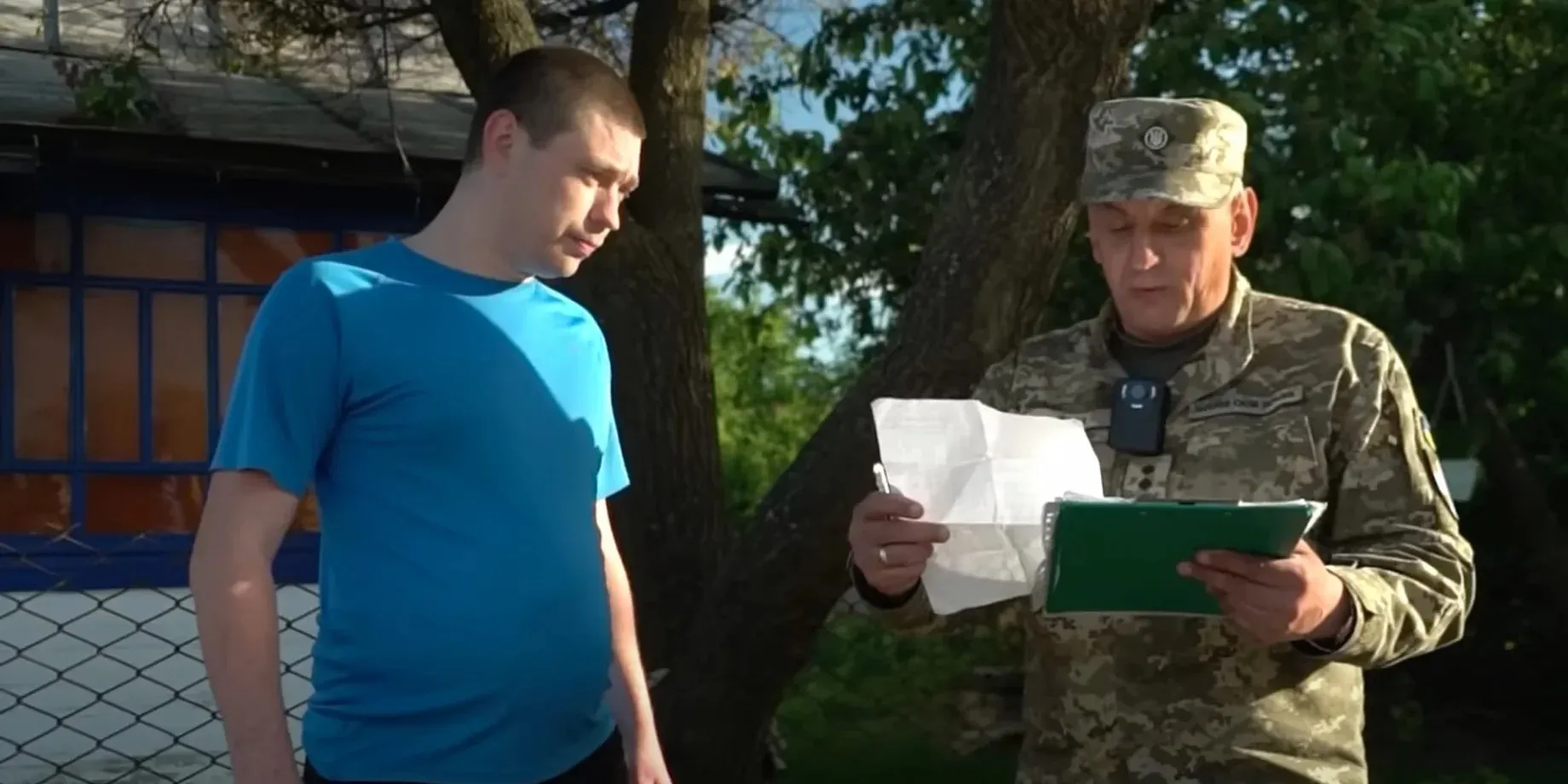
In Ukraine, about one million men may be evading mobilization, and nearly 500,000 more military personnel have deserted their units. Member of Parliament Oleksandr Fedienko believes that the government should draft legislative changes that will encourage these individuals to regularize their status. At the same time, he spoke out against reducing the number of employees exempt from mobilization in the energy, telecommunications, and defense industries.
In Ukraine, about one million men may be evading mobilization. Oleksandr Fedienko, a member of the Verkhovna Rada Committee on National Security, believes that the state must change its approach to this problem. In an interview with “Telegraf,” he stated that the government should propose legislative mechanisms that would make life more difficult for people who evade military registration. According to the lawmaker, instead of reducing the number of employees exempted from military registration at critically important enterprises, the authorities should focus on those who remain outside the military registration system.
Fedyenko emphasized that this refers to people who continue to work, run businesses, and use everyday services, even though they do not comply with military registration requirements.
How Many Draft Dodgers Are There in Ukraine?
According to Fedienko’s estimate, there are about 1 million men in Ukraine who are evading mobilization. Additionally, nearly 500,000 military personnel have deserted their units. These figures were cited by the MP himself. There is no independent confirmation of these estimates in the information provided, so they should not be taken as official statistics covering all such cases.
According to Fedienko, some of the men who are avoiding military registration continue to live normal lives. They can register as sole proprietors, work, use banking services, and order deliveries. In particular, the MP cited “Nova Poshta” as an example of a private service that people use in their daily lives. In his view, the state must determine how to use legislation to encourage men to emerge from the so-called “gray zone” and resolve the issue of military registration.
What restrictions is the MP proposing?
Fedyenko believes that the Cabinet of Ministers should prepare appropriate legislative initiatives. In particular, he proposes considering the possibility of restricting access to certain banking services and services provided by administrative service centers (ASCs). According to the lawmaker’s proposal, such restrictions could serve as an additional incentive for people who are evading military registration to comply with the requirements established by law.
At the same time, the statement does not specify a concrete list of services that might be subject to restrictions, nor does it mention a draft bill containing the relevant provisions. Therefore, this is currently a proposal by the lawmaker, not an implemented rule. Implementing this idea would require clear legislative mechanisms. These mechanisms must specify exactly who the restrictions would apply to, under what conditions they would be enforced, and how an individual could regularize their status.
Why Fedienko Opposes Reducing Job Reservations
Separately, the MP criticized the idea of reducing reservation quotas for workers in critically important sectors. First and foremost, he mentioned the energy sector, telecommunications, and the defense-industrial complex. These enterprises ensure the operation of systems vital to the country. Energy workers are restoring power after Russian attacks, telecommunications specialists are maintaining network operations, and defense industry enterprises are manufacturing and repairing military equipment and machinery.
According to Fedienko, removing reserved workers from these enterprises could create additional problems for their operations. This is particularly true for the energy and telecommunications sectors, which regularly suffer the consequences of Russian strikes. Therefore, the lawmaker proposes not to reduce the number of exempted specialists—without whom critical infrastructure may function less effectively—but rather to seek solutions regarding individuals who evade military registration.
What’s Next
Fediienko’s position boils down to two main points: to maintain exemptions for employees of critically important enterprises while simultaneously strengthening mechanisms that will encourage men to comply with military registration requirements. However, specific changes have yet to be drafted and, if supported, must go through the legislative process. At this stage, this is a proposal by a member of parliament, not a set of restrictions that have already been adopted.
It is also important to distinguish between people who evade military registration and servicemembers who have deserted their units. These are different legal situations that require separate approaches. It is not yet known exactly what measures the government might propose or whether they will be supported in the Verkhovna Rada. Oleksandr Fedienko, a member of parliament and member of the Verkhovna Rada Committee on National Security, stated this in an interview with “Telegraf.”
4It is gradually coming to an end. Unfortunately, people are not appearing and growing as quickly as we are suffering losses in the war. This is war! Therefore, the state is forced to cancel a certain number of exemptions and deferrals in order to maintain mobilization rates at least at the same level.




