
Shortage of air defence missiles complicates the protection of Kyiv from massive attacks
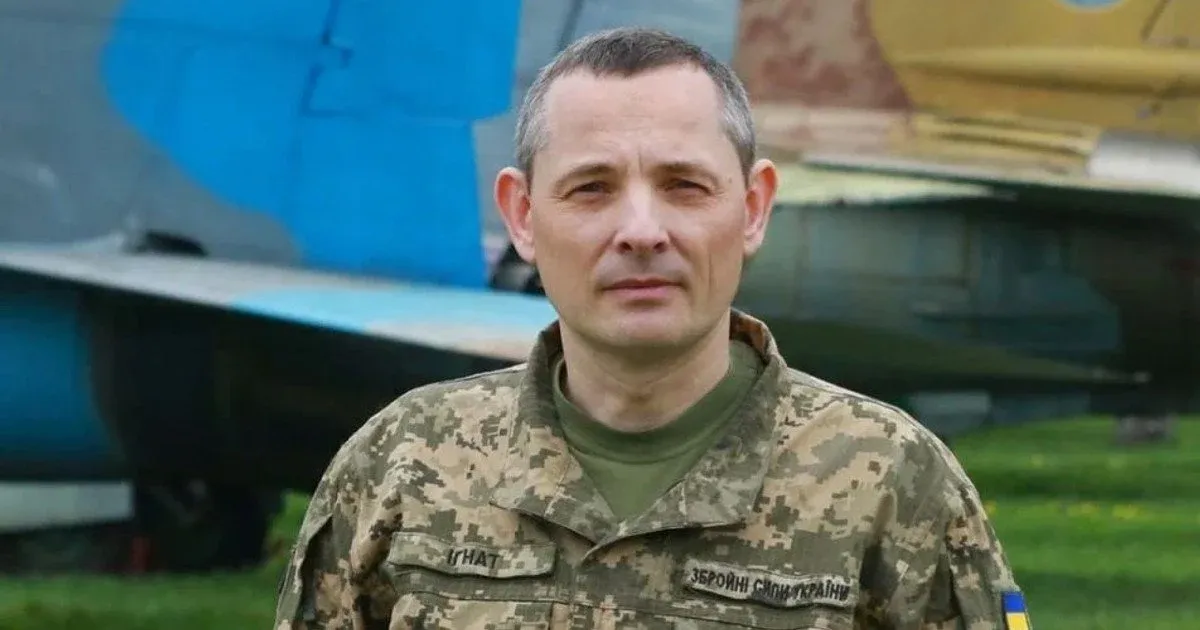
Russia’s massive attacks on Kyiv are becoming increasingly difficult to repel due to a shortage of surface-to-air missiles. During the strike on the night of 9 January, the Russian Federation simultaneously used drones and missiles from multiple directions. This was stated by the spokesperson of the Air Force of the Armed Forces of Ukraine, Yurii Ihnat, during a national TV marathon.
According to him, the simultaneous approach of aerial targets from different directions places a serious strain on the entire air defence system — from command and control bodies to individual combat crews. “Drones and missiles are attacking simultaneously from different directions. This complicates decision-making both for the command and directly for the servicemen operating anti-aircraft missile systems, mobile fire groups and interceptor drones,” Ihnat explained.
Despite the complexity of the attack, Ukraine’s air defence forces managed to shoot down 8 out of 13 ballistic missiles. According to the spokesperson, this is a high result under conditions of a massive strike. At the same time, the situation with cruise missiles was more difficult — out of 22 Kalibr missiles, 10 were intercepted.
The key problem exposed by this attack, Ihnat said, is the shortage of surface-to-air missiles for ground-based air defence systems. These systems are used to destroy both ballistic and cruise missiles. “The main problem today is the shortage of surface-to-air missiles for the systems we use to repel such attacks,” he stressed.
The Air Force spokesperson explained that aviation cannot be used in areas where ground-based air defence is actively operating. That is why missiles for air defence systems remain critically important for the protection of Kyiv and Kyiv region. “Aviation cannot operate where ground-based air defence is operating. That is why the need for surface-to-air missiles will always remain relevant for us,” Ihnat noted.
According to him, a combined massive attack on a single region creates extremely difficult conditions for defence. Simultaneously intercepting a large number of missiles in one location is an extremely challenging task, even for a well-structured, layered air defence system. “Everyone is working as a single system. But to simultaneously shoot down such a number of missiles in one place with a high success rate is extremely, extremely difficult,” the spokesperson explained.
Yurii Ihnat emphasised that Ukraine’s need for surface-to-air missiles is constantly communicated to international partners. According to him, the country’s leadership also speaks about this regularly. “The attacks that the enemy is intensifying only exacerbate this problem. That is why we constantly emphasise to our partners: missiles for air defence systems are needed on an ongoing basis,” he concluded.
Russian troops also attacked Cherkasy region and the Novoukrainskyi district of Kirovohrad region with strike UAVs during the night. As a result of falling debris, residential buildings and outbuildings were damaged.
Ukraine is initiating an urgent meeting of the UN Security Council in connection with Russia’s ballistic missile attack using an “Oreshnik” missile on Lviv region.
