
Russia may have been testing NATO's readiness through attacks on ships in the Black Sea
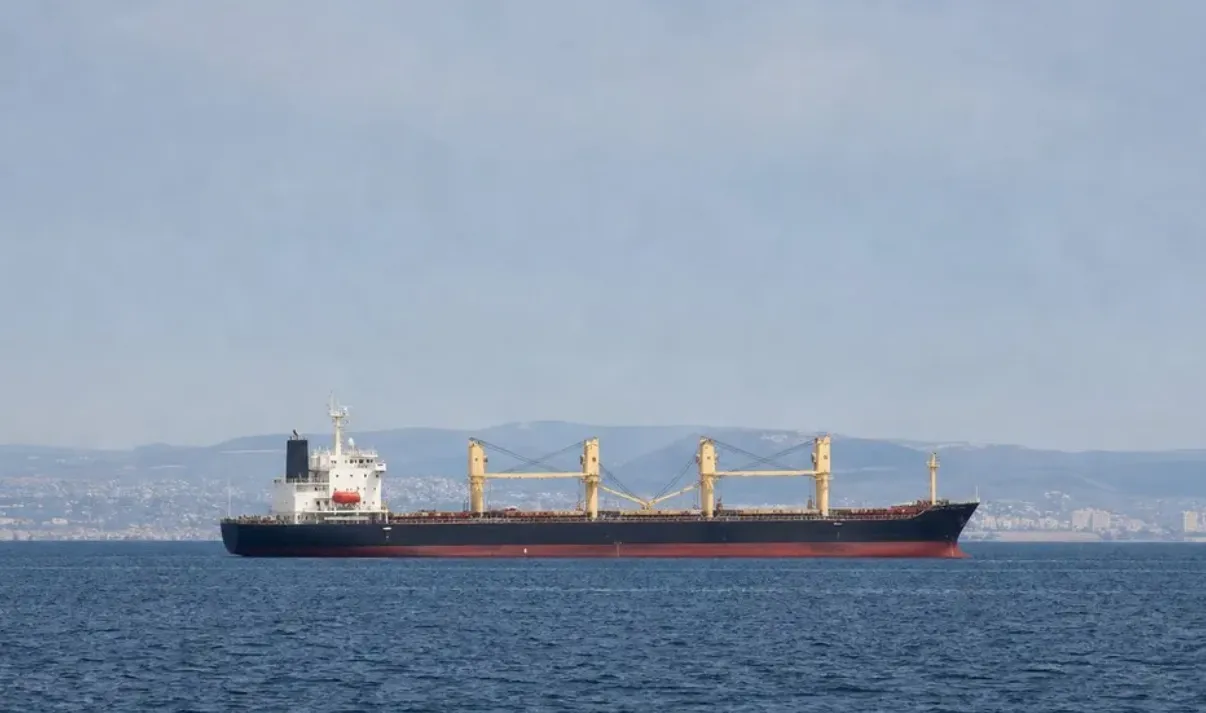
In the first half of October, at least eight merchant ships were attacked by drones off the coasts of Romania and Bulgaria—both of which are NATO members.
The series of incidents has raised concerns that Russia may be testing the Alliance’s readiness to defend its allies and continue its support for Ukraine.
The first attacks were recorded on October 5. Among the vessels struck were dry cargo ships, tankers, and bulk carriers flying the flags of various countries. Some of the ships sank, and there are sailors who have died or are missing.
Ukraine accused Russia of involvement in the attacks. Bulgarian officials stated that they had no clear evidence linking the attacks to Moscow, although the country’s prime minister noted that Ukraine had no obvious reason to destroy its own ships. Romanian authorities have held Russia responsible for turning the Black Sea into a dangerous zone for civilian shipping.
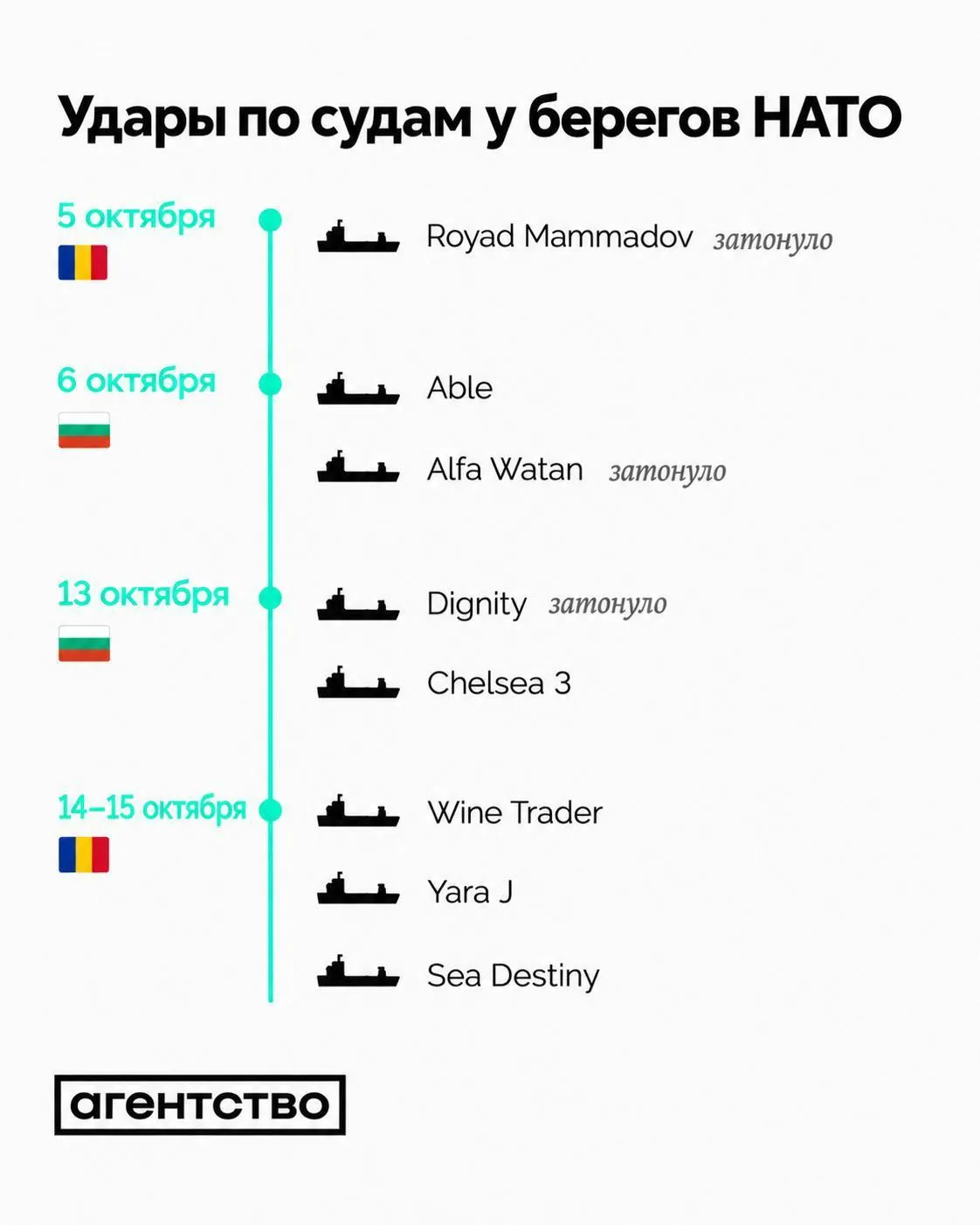
According to Reuters, citing a source within NATO, the strikes on the tankers Wine Trader and Yara J were carried out by drones of Russian origin. Investigations into the other attacks are ongoing.
NATO Secretary General Mark Rutte announced cooperation with allies in the region and adjustments to deterrence and defense measures. Romania also announced its intention to convene the North Atlantic Council.
As the Associated Press notes, the attacks have raised questions about whether the Kremlin is testing the Alliance’s response. At the same time, it remains unclear whether strikes on ships in the economic zones of NATO countries could serve as grounds for invoking Article 5 of the North Atlantic Treaty on collective defense.
Late in the evening on October 14, a merchant ship at anchor caught fire in Romanian territorial waters. The crew was evacuated, Romanian authorities reported.
On October 6, near Bulgaria’s Black Sea coast, drones struck two merchant ships, one of which sank. The attack caused alarm and outrage in Bulgaria and the EU.




