
Russia launched its fifth attack on Zaporizhstal—six ballistic missiles were fired at the steel mill
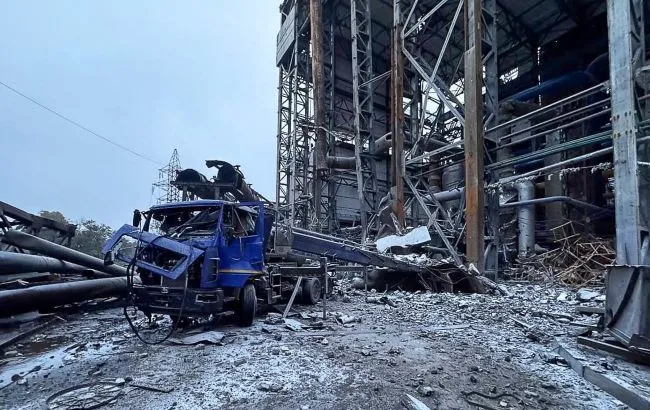
On the morning of October 17, Russian troops launched their fifth attack on the Zaporizhstal steel mill in Zaporizhzhia. Six ballistic missiles were fired at the plant, damaging its internal power and logistics infrastructure, as well as the blast furnace production areas. This time, there were no fatalities or injuries—the workers took shelter in time.
On the morning of October 17, Russian troops launched another missile strike on the Zaporizhstal steel mill. This marks the fifth attack on the facility since August. This time, six ballistic missiles were fired at the plant’s territory. The strike damaged the plant’s internal energy and logistics infrastructure. The missiles also struck the blast furnace production sites again.
There were no fatalities or injuries this time. Employees heard the danger signal in time and took shelter. Oleksandr Myronenko, Chief
Operating Officer of Metinvest Group, emphasized that the plant had previously been hit by Russian strikes and has still not been able to return to normal operations.
“Russia continues to target the steel mill, which has not yet returned to normal operations following previous attacks. So there is no logic to these strikes, just as there is no logic to the war itself,” Mironenko said.
Employees continue to clean up the aftermath of the shelling
According to Mironenko, in the face of constant attacks, the solidarity and resilience of the workers take on special significance. Despite the damage and danger, the plant’s team continues to work on restoring equipment and clearing up the aftermath of the shelling. “And our people keep working: they clear the rubble meter by meter, pull together to deal with the aftermath of the strikes, and when they hear the air raid siren, they head to the shelters as a group. So that after the all-clear, they can return to work at the damaged sites,” said the chief operating officer.
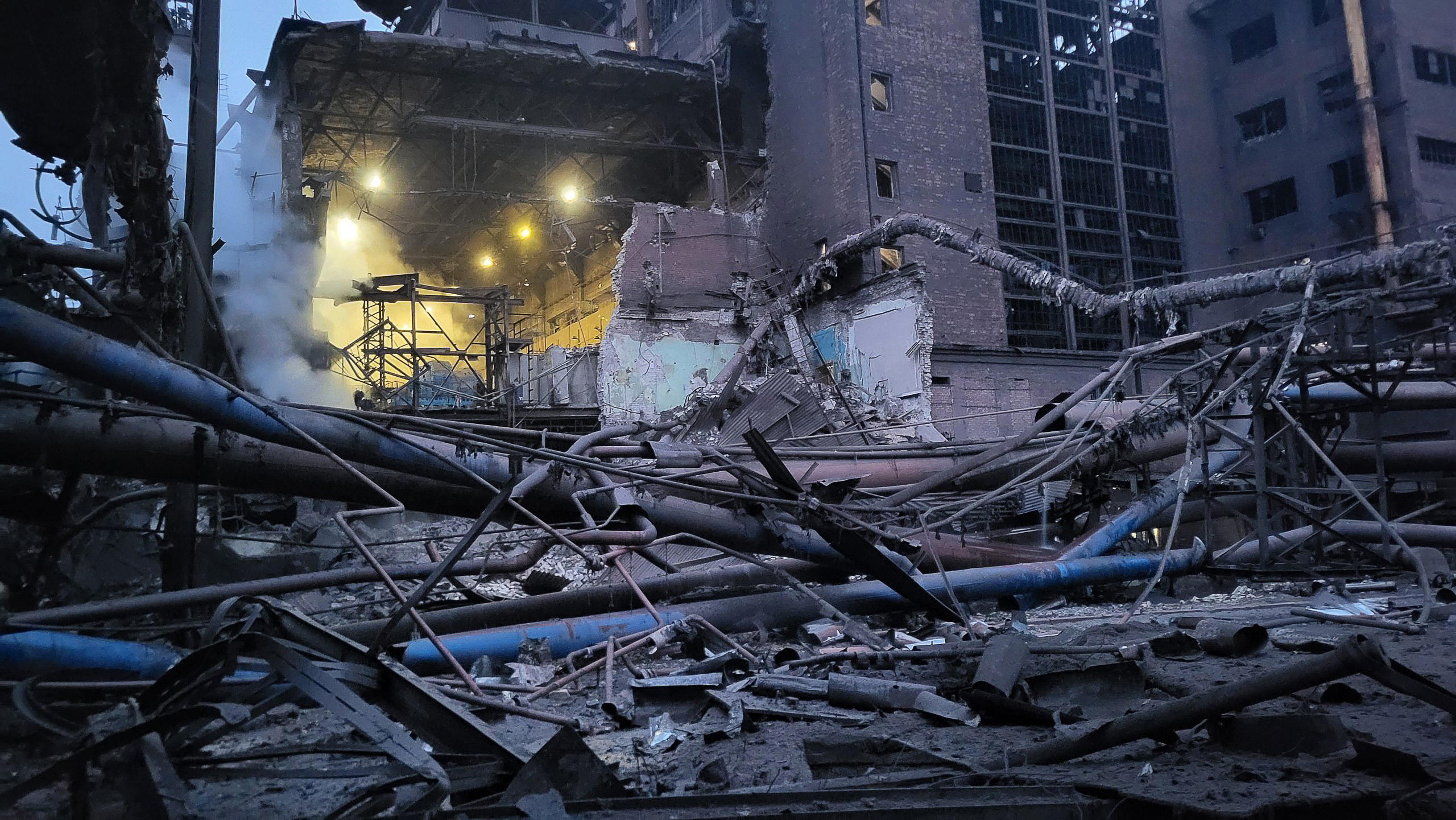
He added that workers are returning to their workstations near the cast-iron ladles, power units, and diesel locomotives to assess the condition of the equipment and determine what can be done to resume operations. “I thank everyone who hasn’t lost faith in themselves or in the Ukrainian steel industry, everyone who is fighting. This is our greatest asset—one the Russians cannot take away from us,” Mironenko emphasized.
According to him, professionalism and team spirit have always been important to the team, but now the strength of the people who are trying to keep production going despite constant attacks has become particularly evident.
A total of 23 ballistic missiles have already been fired at Zaporizhstal
Previous Russian attacks on the plant took place on August 11 and 27, as well as September 12 and 17. The strikes on October 17 marked the fifth time the facility had been shelled during this period. According to Metinvest, a total of 23 ballistic missiles were fired at Zaporizhstal during these attacks. As a result of the previous attacks, eight plant employees were killed, and another 31 steelworkers sustained injuries of varying severity.
After the attack on August 11, the plant’s production complex was completely shut down. Workers were called in to clear the rubble and deal with the aftermath of the strike. This was necessary to assess the damage and determine whether the equipment could be restored to operation. Subsequently, the plant managed to resume certain production processes. This was done to maintain the equipment in a safe condition and prevent potential industrial accidents that could endanger workers and city residents.
However, production never fully resumed as usual. Due to the constant shelling of Zaporizhzhia, the plant is forced to operate under conditions of heightened safety risks.
Additional shelters have been installed at the plant
Due to regular Russian attacks, the plant has expanded its network of protective structures. In particular, mobile shelters with reinforced structures have been installed in areas where workers are clearing up the aftermath of shelling and repairing damaged equipment.
This reduces the distance to the nearest safe location and allows workers to reach shelter more quickly after an air raid siren sounds. Such protection is especially important during missile attacks, when there may be very little time for evacuation.
Despite the new damage, the plant’s workers continue to clean up the aftermath of the shelling. At the same time, the plant has not yet returned to full operation following previous strikes, and the new attack has further complicated the situation. Metinvest reported on the consequences of the shelling.




