
Russia's attempts to reroute grain exports from the Black Sea have failed – Bloomberg
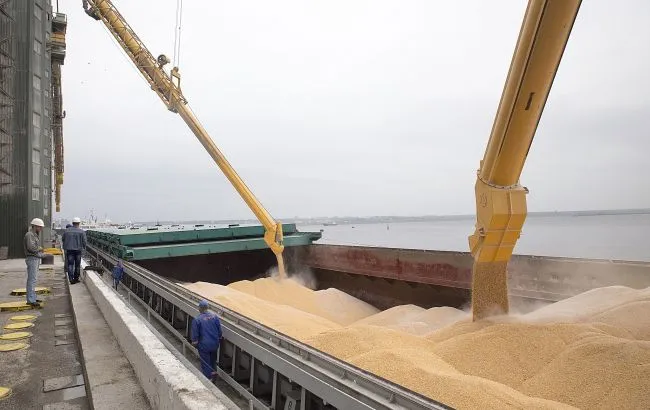
Russia’s attempts to reroute grain exports from the Black Sea to alternative routes in response to Ukrainian attacks are failing, as the new ports are handling only one-tenth of the required volumes.
According to the consulting firm Kpler, between July and September, five alternative ports managed to increase shipments of grain and oilseeds to only 1.3 million metric tons, whereas the aggressor country’s main Black Sea ports are capable of handling approximately 12 million metric tons during the same period.
To encourage the use of these new routes, the Russian government temporarily waived export duties on grain and introduced subsidies for rail transport from southern regions to the Baltic Sea. This has increased daily rail shipments of agricultural products to the Baltic ports of Ust-Luga and Vysotsk by 465%, but such trade remains economically unfeasible. According to estimates by analysts at Ifchor Galbraiths, shipping grain to Egypt via the Baltic Sea costs 30–35% more per metric ton compared to Black Sea routes, which runs counter to the geography of the main markets in North Africa.
Source: Bloomberg.
The Estonian government has decided to impose national sanctions that will prohibit the transit through the country of grain originating from Russia, the aggressor state, and Belarus.
The volume of Russian shipments to Turkey fell sharply in August amid disruptions to shipping in the Black and Azov Seas. In dollar terms, imports of goods from Russia fell by nearly 41% compared to July—from $3.23 billion to $1.93 billion, the lowest figure since 2022.




