
Data centers in Kyiv have been damaged, but Ukraine's digital services are still operational
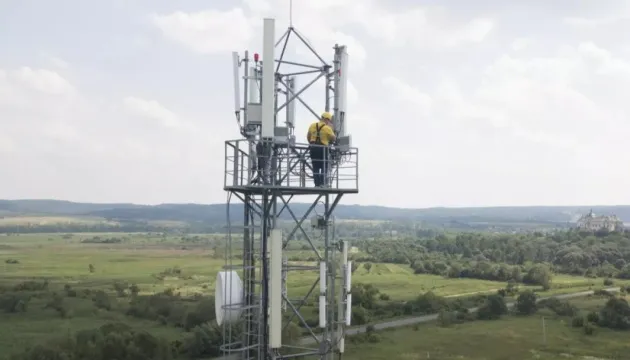
Russian attacks have damaged a number of data centers in Kyiv, causing some of them to cease operations. However, Ukrainian digital services continue to function thanks to backup copies of data stored in various locations, including abroad. The Ministry of Digital Transformation also explained how they are preparing communication systems for winter power outages and what technologies will help Ukrainians stay connected.
Despite Russian strikes on digital infrastructure, government online services in Ukraine continue to operate. According to Minister of Digital Transformation Oksana Ferchuk, some data centers in Kyiv have already been damaged and have ceased operations. At the same time, this has not halted the provision of digital services. “Many data centers in Kyiv have been hit and have ceased operations. But our digital services are still functioning, and services are being provided. This means we were prepared for such attacks,” the minister stated.
How Ukraine Protects Government Data
According to Ferchuk, over the past few months, the Ministry of Digital Transformation, together with other government agencies and private companies, has been preparing for potential attacks on data centers. The main task is to create backups of information and store them in different locations. Data from government systems is not stored solely in Ukraine. To this end, cloud storage facilities abroad, as well as underground data centers, are utilized. Thanks to this approach, the failure of a single facility should not halt the operation of the entire system.
In other words, if one data center is damaged or becomes inaccessible, services will be able to use backup resources. This helps maintain access to government services even during attacks on the infrastructure. “We have a high level of redundancy to ensure that the physical destruction of one of the data centers does not affect the system’s operation and that Ukrainians continue to have access to digital services and remain connected to the government,” explained the head of the Ministry of Digital Transformation.
Ferchuk emphasized that distributed data storage plays a particularly important role. When digital resources are concentrated in a single location, damage to that facility can have significant consequences. In contrast, maintaining backups in different locations helps mitigate such risks.
How Mobile Networks Are Being Prepared for Winter
A separate area of focus is ensuring stable mobile connectivity during prolonged power outages. After all, without power, operators’ base stations cannot function properly, meaning people may lose the ability to make calls and use the internet. According to the minister, mobile operators have purchased thousands of diesel generators. These have been installed near major base stations so that they can continue operating when the power goes out. The equipment’s operation is monitored online. If necessary, specialists are dispatched to the stations to start the generators.
Ferchuk acknowledged that this requires significant effort, as the equipment must be maintained, and the generators must be refueled and monitored. At the same time, given the Russian attacks on energy infrastructure, this approach remains necessary. “In a situation where the enemy is depriving us even of the ability to access an uninterrupted power supply, I believe this is the right tool. Again, we’ve been using it for several years now, so we feel confident in this area,” the minister noted.
Which Home Internet Service Will Help During Outages
For home internet, Ferchuk recommends xPON technology. It allows you to maintain network access for an extended period without power from the provider. However, there is an important condition: the user must provide a backup power source for their own equipment—for example, a modem or router.
Therefore, before winter, it’s worth checking with your internet provider to see if they support xPON and how long the network can operate without a centralized power supply. You should also make sure you have a backup power source for your home equipment. Even if your provider keeps the network running during outages, you won’t have internet at home without power to your modem or router.
National roaming will work this winter as well
Another tool that helps you stay connected is national roaming. It allows you to connect to another mobile operator’s network if your own operator is unavailable. According to Ferchuk, national roaming will continue to operate this winter. This means that, under certain conditions, subscribers will be able to use another company’s network to stay connected.
At the same time, national roaming does not guarantee connectivity under all circumstances. If base stations for all operators are down in a particular area or other technical problems arise, you may not be able to connect to the network.
Satellite Mobile Communications
Mobile operators are also implementing Direct to Cell technology, which allows compatible phones to connect to a satellite network. They plan to use it as an additional means of communication in areas where the regular mobile network is unavailable. According to Ferchuk, the capabilities of this technology will be limited compared to regular mobile internet. However, it can help maintain connectivity even when nearby cell towers are down.
“In other words, if the operator’s network goes down, your phone will be able to connect and receive a limited—though still usable—range of data transmission via satellite technology,” the minister explained. She added that the technology should allow users to use messaging apps, such as Viber and WhatsApp, and exchange messages. At the same time, the availability of specific features will depend on the technical capabilities of the service and connection conditions.
The Ministry of Digital Transformation is also working to ensure that government apps can be used via satellite communication in the future. These include “Diya” and “Air Raid Alert.” However, according to the minister, this initiative is still under development.
Plans to Restore Damaged Data Centers
Despite preparations for new attacks, the damaged digital infrastructure must be restored. Ferchuk assured that Ukraine has the means to finance this work. She noted that loans could be used for the reconstruction. This will make it possible not only to restore the damaged facilities but also to modernize them using new technologies.
Thus, Ukraine’s preparations for winter risks cover several areas at once: backup storage of government data, maintaining mobile connectivity during blackouts, alternative methods of internet access, and the restoration of damaged data centers.
The Ministry of Digital Transformation emphasizes that a distributed digital infrastructure helps maintain access to government services even when individual facilities come under Russian attack. At the same time, the stability of communications during outages will depend not only on backup systems but also on the state of the energy sector, the performance of operators, and the availability of equipment. This was stated by Minister of Digital Transformation Oksana Ferchuk in an interview with Ukrainian Radio.




