
CITES reports minimal progress by Cambodia in controlling macaque exports — Mongabay
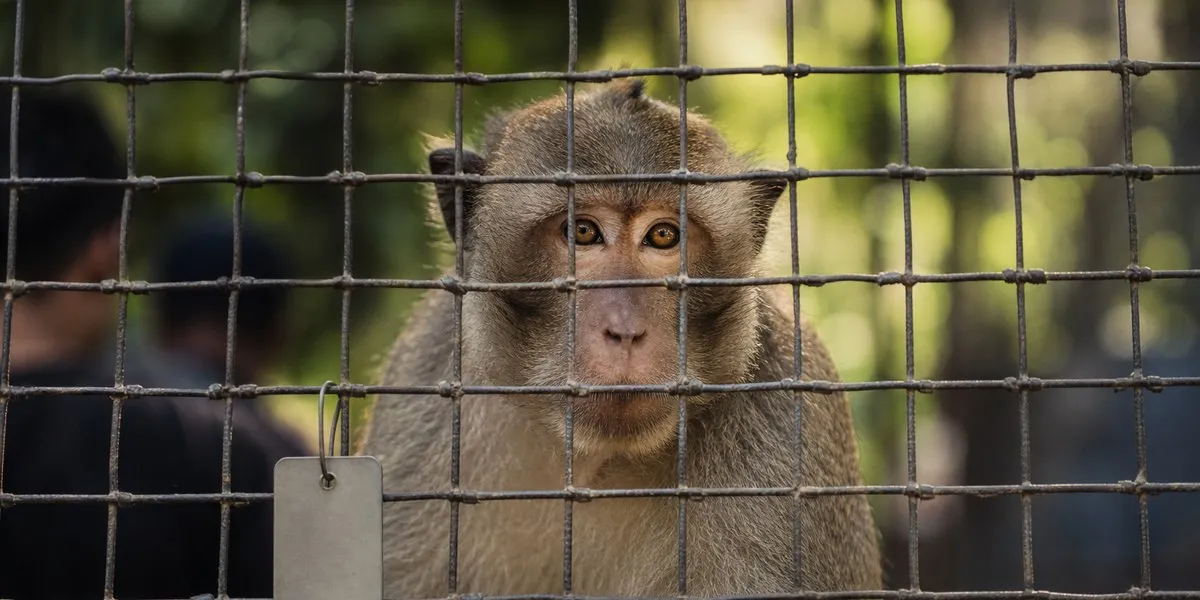
The Secretariat of the Convention on International Trade in Endangered Species of Wild Fauna and Flora (CITES) has stated that Cambodia has made only limited progress in reforming its export system for long-tailed macaques used in biomedical research. As Mongabay reports, the regulator can neither confirm nor rule out the possibility of fraud or corruption in this trade.
In November 2025, CITES issued Cambodia six recommendations concerning the capture, breeding and export of macaques. In a document dated October 5, the Secretariat said that the government had not provided sufficient evidence of full implementation of any of them. The matter will be considered by the CITES Standing Committee at a meeting in Geneva on November 2–6; countries that fail to meet the convention's standards may face trade restrictions.
Problems with animal records
According to CITES, Cambodia has not updated its 2006 legislation in line with the convention's requirements. The country also continues to capture macaques from the wild to replenish breeding facilities without conducting studies of population numbers and the potential impact of such capture.
The Secretariat separately noted that the Cambodian side apparently does not consider macaques captured in public places to be wild animals. CITES stressed that, under the convention's rules, such animals are still classified as wild.
More current news is available on the UA.News Telegram channel Telegram.
When asked to provide copies of all export permits, Cambodia submitted only five samples. This is insufficient to verify whether the documents systematically include individual macaque identification numbers. In addition, the authorities did not provide information on the destruction of identification collars after export. Such tags must be destroyed to prevent their reuse for falsely registering wild animals as captive-bred.
Delayed microchipping
The microchipping program intended to replace the collar system appears to be delayed. Its implementation was initially expected by the end of 2026, but Cambodia informed CITES that the deadline had been postponed to 2028. The regulator also stated that the country had not demonstrated the accuracy of permit data on the number of macaques imported or exported and had not provided evidence that breeding facilities comply with measures requiring monthly reporting on animal stocks.
Him Phin, spokesperson for Cambodia's Ministry of Agriculture, Forestry and Fisheries, said that unsubstantiated claims are not facts and that the authorities are focused on constructive cooperation with CITES. Earlier, a five-year investigation by the U.S. Fish and Wildlife Service found substantial evidence that Cambodian farms may have registered wild-caught macaques as captive-bred. However, those accused in the case were not convicted.
According to the CITES trade database, Cambodia exported more than 182,000 long-tailed macaques in 2020–2024. The population of this species in the country is estimated to have declined by 50–70% over the past three decades.




