
Lawmaker says screening rules were breached in two R&D projects — Korea Herald
In South Korea, foreign researchers were involved in two government R&D projects with enhanced security requirements without undergoing the required screenings, Korea Herald reports, citing data obtained by lawmaker Choi Soo-jin. Of the 33,256 projects managed by the Korea Technology and Information Promotion Agency for SMEs (TIPA), only two had this status.
Projects with special requirements
The lawmaker from the opposition People Power Party obtained the data from the Ministry of SMEs and Startups and TIPA. Projects with enhanced security requirements include government research and development projects whose disclosure could cause significant technological or economic damage or pose a threat to national security.
Criteria for such status include research in national core technology sectors, including semiconductors, displays and rechargeable batteries. An aide to Choi told the outlet that it was unlikely that only two projects could meet these criteria, so the lawmaker's office asked the ministry to conduct a comprehensive review of all projects.
Researchers from Pakistan and Ethiopia
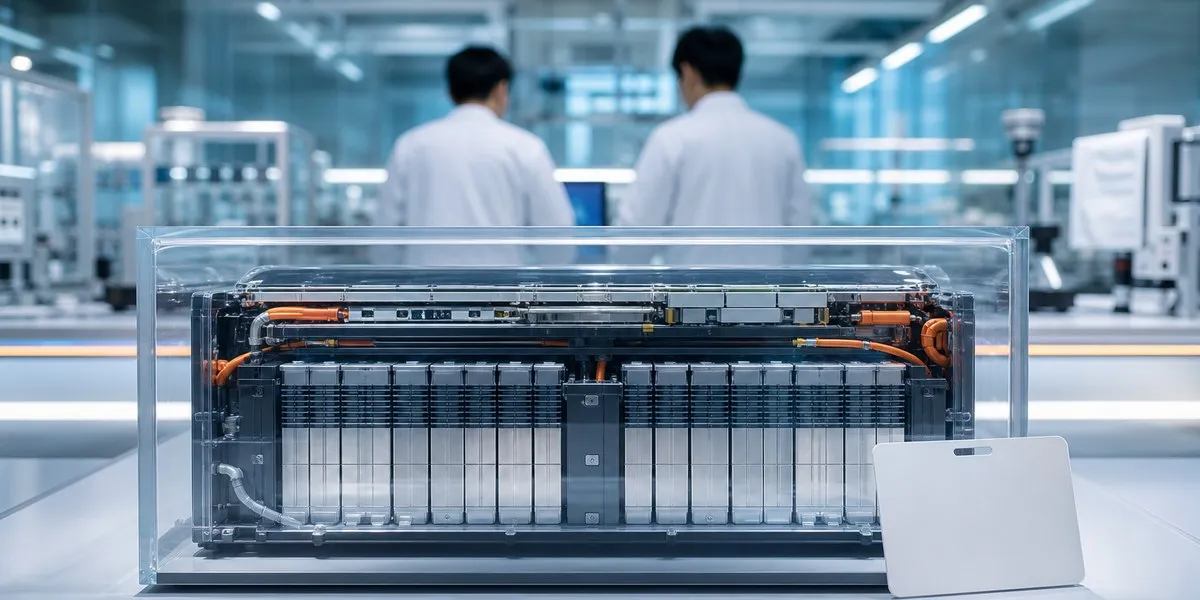
One of the projects concerned next-generation lithium batteries, which are classified as national core technologies. According to Choi's office, a Pakistani postdoctoral researcher was added to it without an internal security review, ministry approval or notification to the National Intelligence Service.
More current news is available on the UA.News Telegram channel Telegram.
Ministry rules require these procedures when foreign researchers participate in projects with enhanced security requirements. At the same time, TIPA guidelines consider replacing or adding a researcher during project implementation a minor change that does not require agency approval. After an inquiry from Choi's office, TIPA removed the researcher from the project on September 21.
The status change was noticed later
The second project was initially submitted as a regular one, so it did not undergo security screening at the selection stage. When concluding the agreement, the participating company changed its classification in the government's Integrated R&D Information System to a project with enhanced security requirements. Two researchers from Ethiopia were involved in the work.
TIPA told the National Assembly that it learned of the status change only in late September. Choi's office questioned this explanation, as project agreements and subsequent changes require the agency's final approval. TIPA later said that both researchers would be removed from the project starting October 1. Choi called for reviewing regular projects related to core technologies and strengthening sanctions for violations of security requirements.




