
Erbil: trial begins over deaths of 31 migrants — The National
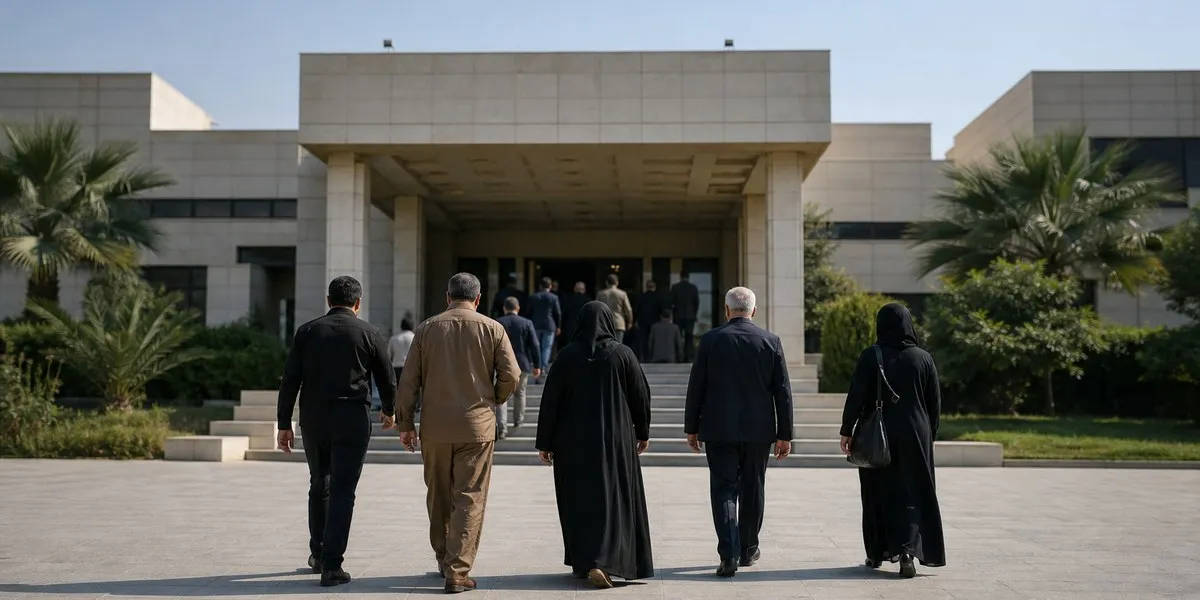
In Erbil, Iraq, the trial of Hajar Mina Abdullah, known as Bashdar, has begun. He is accused of involvement in an operation to illegally smuggle people across the English Channel in November 2021, when 31 people died while attempting to travel from France to the United Kingdom. This was reported by The National.
Testimony from relatives
Iraqi Kurds made up the majority of those who died. Relatives of the victims attended the hearing and told the court about the circumstances of their loved ones' journeys. Zana Mamand Mohammed said that his 18-year-old brother, Twana, left a $3,200 deposit at a currency exchange office on Bashdar's instructions. Twana's body was never found.
According to Mohammed, the passengers were promised a reliable boat. However, 34 people were on a vessel designed for a maximum of 25. Rasul Farka said that the life jackets of his son Pshtivan and other passengers tore when the boat capsized. Pshtivan was also among four people whose bodies were not found.
More current news is available on the UA.News Telegram channel Telegram.
Proceedings in several countries
Bashdar was detained in Iraq in October 2022. His defence does not deny that he was involved in smuggling people, but argues that he did not put the victims on the boat. The judges did not deliver a verdict on the day of the hearing and did not set dates for further sessions. At the same time, proceedings were launched against the currency exchange office mentioned by Mohammed.
Previously, 14 men accused of organising the fatal crossing were tried in France. In September, a Paris court found 13 defendants guilty of offences including involuntary manslaughter and the illegal smuggling of migrants. French lawyers Mathieu Chirez and Thomas Ricard said that Bashdar was not prosecuted in France because a person cannot be tried twice for the same crime in different countries.
The independent British Cranston Inquiry, whose final report was published in February 2026, concluded that some of the deaths could have been avoided. The report pointed to shortcomings in the response of British and French authorities, including communication problems and missed opportunities to intervene.




