
Federal Judge Thompson Halts Threats Against Election Officials — The Hill
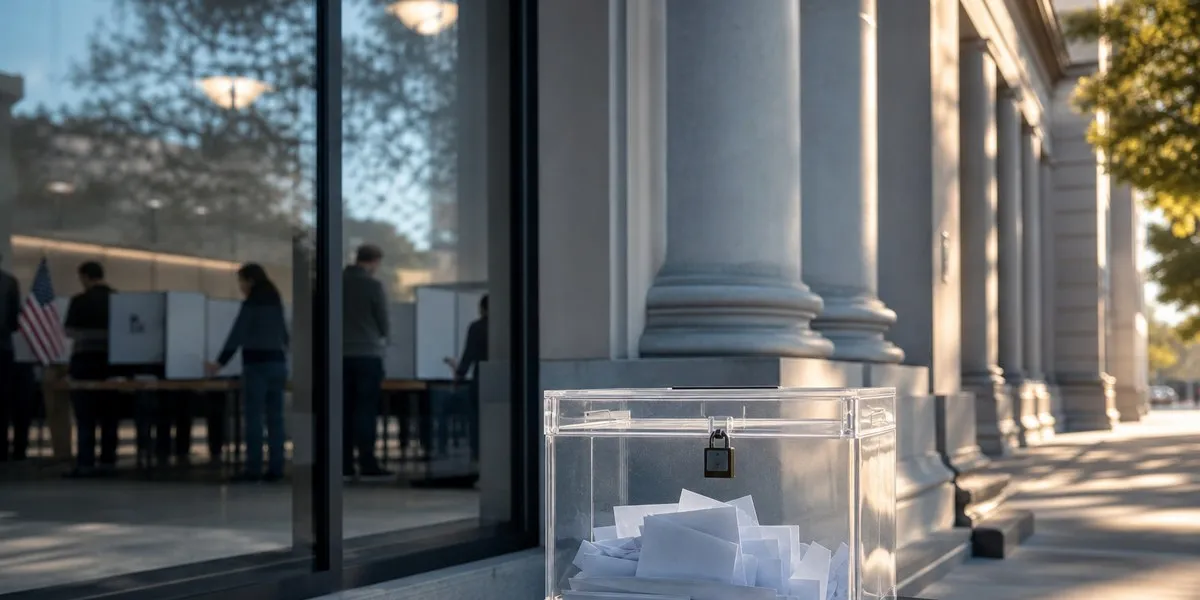
Federal Judge Trina Thompson in California on October 30 issued a temporary restraining order requiring the Trump administration to stop threatening election workers with criminal prosecution. The decision was made in a lawsuit filed by unions representing the state’s election workers, The Hill reports.
Court ruling ahead of voting
The judge noted that Election Day is already near, ballots have been issued, Americans have begun voting, and workers have started processing ballots. In her view, there were no grounds to delay the decision given the possible consequences of inaction.
The order also halts the administration’s attempts to force election workers to remove certain people from voter rolls, deny some voters’ ballot requests, or set aside ballots cast by people whom the authorities suspect of lacking the right to vote.
More current news is available on the UA.News Telegram channel Telegram.
Unions’ lawsuit and Justice Department letters
The plaintiffs include the Service Employees International Union, the American Federation of State, County and Municipal Employees, the League of United Latin American Citizens, and the National Association for the Advancement of Colored People. In the lawsuit, they accused U.S. Attorney General Todd Blanche and other U.S. Department of Justice officials of conducting a coordinated campaign of intimidation, threats, and coercion against state and local officials.
This week, the U.S. Department of Justice sent letters to election officials in all 50 states warning of possible criminal prosecution if they do not preserve election records. A week earlier, the department contacted officials in every California county, demanding cooperation in identifying possible noncitizens on voter rolls.
Earlier, another federal judge in California dismissed the administration’s lawsuit seeking to require the state to set aside the ballots of 20,000 people identified by the federal government as potential noncitizens. On Friday, a divided panel of a federal appeals court upheld that decision.




