
Google and Adani build $15 billion AI hub in India despite farmers’ opposition — CBC
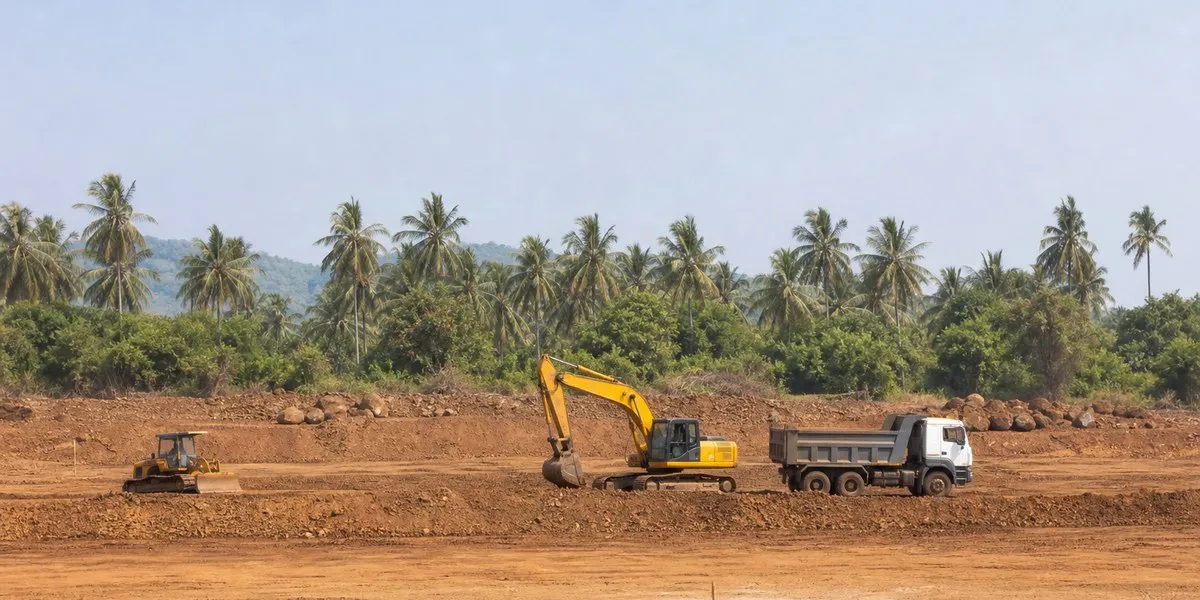
Google, together with India’s Adani Group, is building a $15 billion artificial intelligence data centre hub near Visakhapatnam, a port city in eastern India. The one-gigawatt project is expected to become the company’s largest outside the United States, CBC reports.
The investment is planned over five years and covers more than 600 acres of land across three sites in Andhra Pradesh state. At the largest site, in the village of Tarluvada, machinery is clearing more than 260 acres. Some facilities are planned to be commissioned in 2028. Google is also laying three subsea communications cables near the coast of Visakhapatnam.
Land and promises of jobs
Farmer Bali Narasingha Rao said he sold one acre of his land for 17 lakh rupees, or about $25,000. According to him, the plot was his livelihood. Other residents of Tarluvada also express doubts that the data centre will provide a significant number of jobs for the community.
More current news is available on the UA.News Telegram channel Telegram.
State authorities granted Google land discounts and preferential water and electricity rates for ten years. According to the government’s estimate, the project could create up to 150,000 indirect jobs in related technology sectors and provide 4,000 jobs annually during construction. At the same time, opponents of the initiative note that only hundreds of permanent employees will be needed to operate the data centres, with a significant share maintaining the facilities.
Concerns about water
Activists from the Stop Dirty Data Centres campaign claim that approval of the project was expedited and that its costs for local communities outweigh the potential benefits. They also criticize state subsidies for large technology companies. A lawsuit in August failed to halt work on the hub.
Residents of Visakhapatnam fear additional pressure on water resources after a weak monsoon and drought caused water levels in the local reservoir to fall and groundwater reserves to decline. The state government said water for the data centres would not be taken from the residential sector. Google said it would use an air-cooling system, so water consumption would be mainly limited to sanitary facilities and kitchens.




