
Iran Helped the Houthis Attack Saudi Arabia's Oil Facilities — WSJ
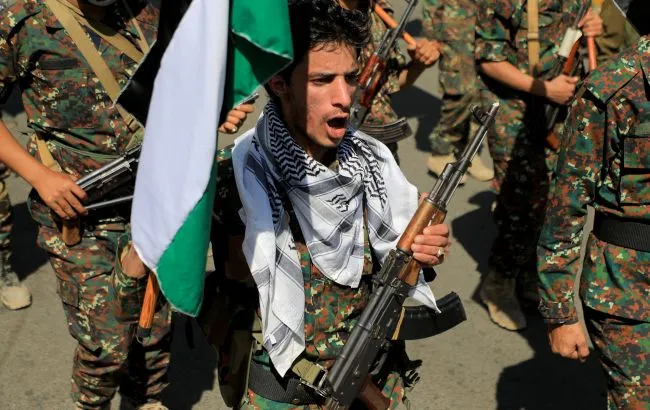
Iran provided intelligence to the Yemeni Houthis and helped them guide missiles and drones to targets in Saudi Arabia. Thanks to this support, the group was able to carry out more sophisticated attacks on oil tankers, energy facilities, and airports. The Wall Street Journal reports this, citing people familiar with data from Saudi intelligence and forces fighting the Houthis in Yemen.
Tehran’s support was not limited to supplying weapons. Iran also provided the Houthis with intelligence, helped identify targets for missile and drone strikes, and assisted in refining the group’s combat tactics. This was reported to the publication by people familiar with Saudi intelligence data and the Yemeni coalition fighting the Houthis. According to them, thanks to Iranian assistance, the militants were able to launch some of the most powerful and sophisticated attacks in the history of the conflict.
The Houthis’ targets include oil tankers, energy infrastructure, and airports in Saudi Arabia. The use of intelligence data and assistance with weapon guidance enables the group to plan strikes with greater precision.
Why the Houthis Pose a Threat to Saudi Arabia
Iranian support has also helped the Houthis expand their influence in Yemen. The group has rapidly seized new territories and now controls part of the coastline along the Bab el-Mandeb Strait. This strait is of great strategic importance. It is located on one of the key maritime routes between the Red Sea and the Gulf of Aden. Ships carrying goods and energy resources pass through this area. Therefore, threats to shipping can affect not only countries in the region but also international trade.
The Houthis have repeatedly attacked targets linked to Saudi Arabia. Among the attacks mentioned in the WSJ article, the publication cites an attack in Riyadh last weekend, which reportedly killed at least 13 people. Such strikes increase pressure on Saudi Arabia, which must defend its territory, energy facilities, and transportation routes. At the same time, military support for the Houthis gives Iran the opportunity to influence regional rivals through an allied armed group.
Iran Uses the Houthis to Exert Pressure on Rivals
Military cooperation with the Houthis helps Tehran strengthen its position in the Middle East. Instead of acting solely on its own, Iran can support a group that attacks its regional adversaries. This also complicates the efforts of U.S. President Donald Trump and American partners in the Persian Gulf states, who seek to end the war with Iran on terms favorable to them.
Danny Citronovich, former head of the Iranian division of Israeli military intelligence, believes that cooperation between Tehran and the Houthis is of a close operational nature. “The connection at the operational level is very, very strong,” he noted. According to Zitrinovich, Iran has a stake in the Houthis’ military successes, as their attacks inflict damage on Saudi Arabia. In addition, threats to oil infrastructure and maritime transport could affect the global energy market and contribute to rising oil prices.
The expert emphasizes that relations between the parties should not be viewed merely as cooperation between a patron and a group that depends on its assistance. In his view, this is a strategic partnership in which both sides have their own interests.
Thus, according to the WSJ, Iranian support enhances the Houthis’ ability to strike targets in Saudi Arabia. At the same time, such cooperation gives Tehran an additional tool to exert pressure on regional rivals and poses risks to the security of shipping and energy routes. This is reported by The Wall Street Journal.
On October 9 in Ashgabat, Turkmenistan, Iranian President Masoud Pezeshkian stated that peace talks with Tehran can only be successful without pressure or threats.
Saudi Arabia has accused Iran of encouraging the Houthis to escalate the conflict with the kingdom. Saudi Arabia’s Deputy Minister of Foreign Affairs for Public Diplomacy, Raed Krimli, stated that Tehran continues to arm, train, and support this group, according to Dawn.




