
UNEP: Exceeding the 1.5°C warming threshold is inevitable — Deutsche Welle
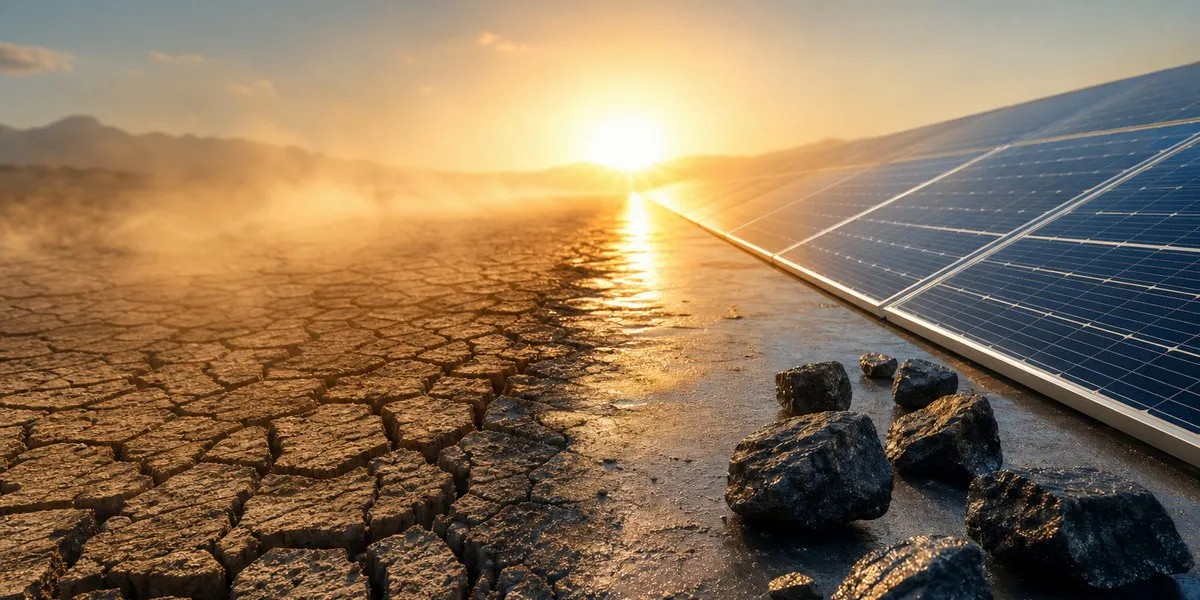
The UN Environment Programme (UNEP) has stated that exceeding the 1.5°C global warming limit compared with the pre-industrial level has become inevitable. The organization cited decades of insufficient action to reduce fossil fuel emissions as the reason. Deutsche Welle reports on the findings of UNEP's annual Emissions Gap Report.
Under current climate policies, the average global temperature could rise by 2.8°C by the end of the century. Even if countries fulfill their new climate commitments, projected warming would amount to 2.6°C. UNEP notes that 167 countries have submitted climate action plans to the UN, covering 83% of global greenhouse gas emissions, but these commitments are insufficient to curb warming.
Rising emissions in major countries
According to preliminary estimates, emissions increased in Indonesia, China and the United States in 2025. The largest increase was recorded in the United States; it is linked to the renewed use of coal and growing electricity demand, including due to the expansion of data centers for artificial intelligence.
More current news is available on the UA.News Telegram channel Telegram.
The DW article also links the worsening outlook to the United States' withdrawal from the Paris Climate Agreement under President Donald Trump. The United States is the second-largest annual source of greenhouse gas emissions. The Trump administration weakened environmental regulations and expanded oil and gas extraction.
What could limit the overshoot
Exceeding the 1.5°C level increases the risk of irreversible or difficult-to-reverse climate changes, including the loss of coral reefs, prolonged retreat of ice sheets and the transformation of the Amazon into a grassland ecosystem. The UN emphasizes that every fraction of a degree matters and that exceeding the threshold does not mean abandoning climate goals.
One scenario envisages warming peaking at 1.7–1.8°C in the middle of the century and returning to 1.5°C by 2100. According to UNEP's estimate, this would require cutting emissions by 69% by 2040 compared with 2025 levels, as well as removing 330 billion metric tons of carbon dioxide from the atmosphere and storing it. The report also cites research on the effectiveness of climate policy: China's pilot carbon pricing schemes reduced emissions by about 11%, while the EU emissions trading system reduced them by 8% compared with projected levels without such measures.




