
Device searches at US border rise by more than 32% — CBC
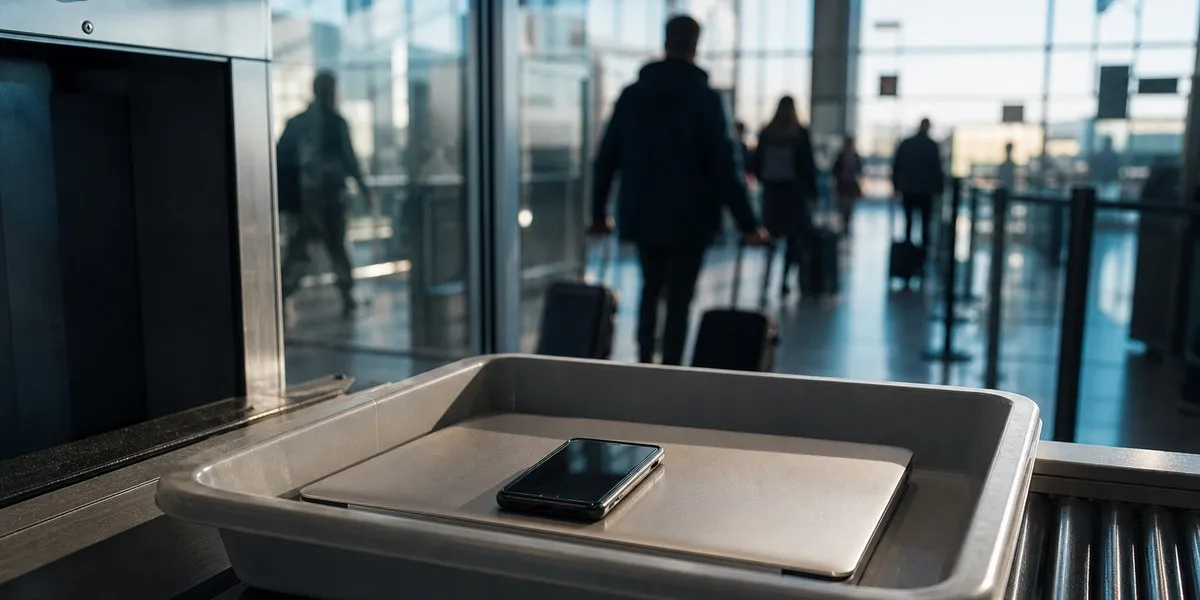
In the United States, the number of searches of phones, laptops and other electronic devices belonging to travelers entering the country rose by more than 32% in the first three quarters of fiscal year 2026. From October 1, 2025, to June 30, 2026, officers of US Customs and Border Protection (CBP) searched 52,080 devices, compared with 39,251 during the same period of the previous year, CBC reports.
The figure is approaching a record
Over nine months of fiscal year 2026, CBP searched nearly as many devices as it did during the entire fiscal year 2025. The agency recorded a record 55,424 searches of electronic devices that year.
According to CBP, 47,517 searches this year were basic: an officer may conduct them without reasonable suspicion of a violation. Another 4,564 searches were advanced. They allow officers to analyze or copy a device’s contents if they have reasonable suspicion of a law violation or a threat to national security.
CBP did not provide data on the distribution of searches between the borders with Canada and Mexico, or between airports, seaports and land border crossings. The agency also did not say how many people entered the United States during the first three quarters of the fiscal year or how many searches involved US citizens and foreign nationals.
More current news is available on the UA.News Telegram channel Telegram.
The agency’s and civil rights advocates’ positions
CBP spokesperson Jessica Turner said that in 2025, searches affected only a small share of the 419 million travelers who entered the United States. According to her, devices are searched to identify digital contraband, terrorism-related materials, and information important for determining a visitor’s eligibility to enter. Turner also noted that devices are searched for about 0.01% of travelers.
Esha Bhandari, director of the Speech, Privacy and Technology Project at the American Civil Liberties Union, believes that the increase in searches requires greater congressional oversight and accountability. According to her, the government’s aggregate data do not make it possible to determine the reasons for this increase.
In January, CBP updated its rules, clarifying that they apply, among other things, to flash drives, SIM cards, GPS devices, unmanned systems, vehicle infotainment systems and smartwatches.




