
China diversifies maritime routes but retains strategic risks
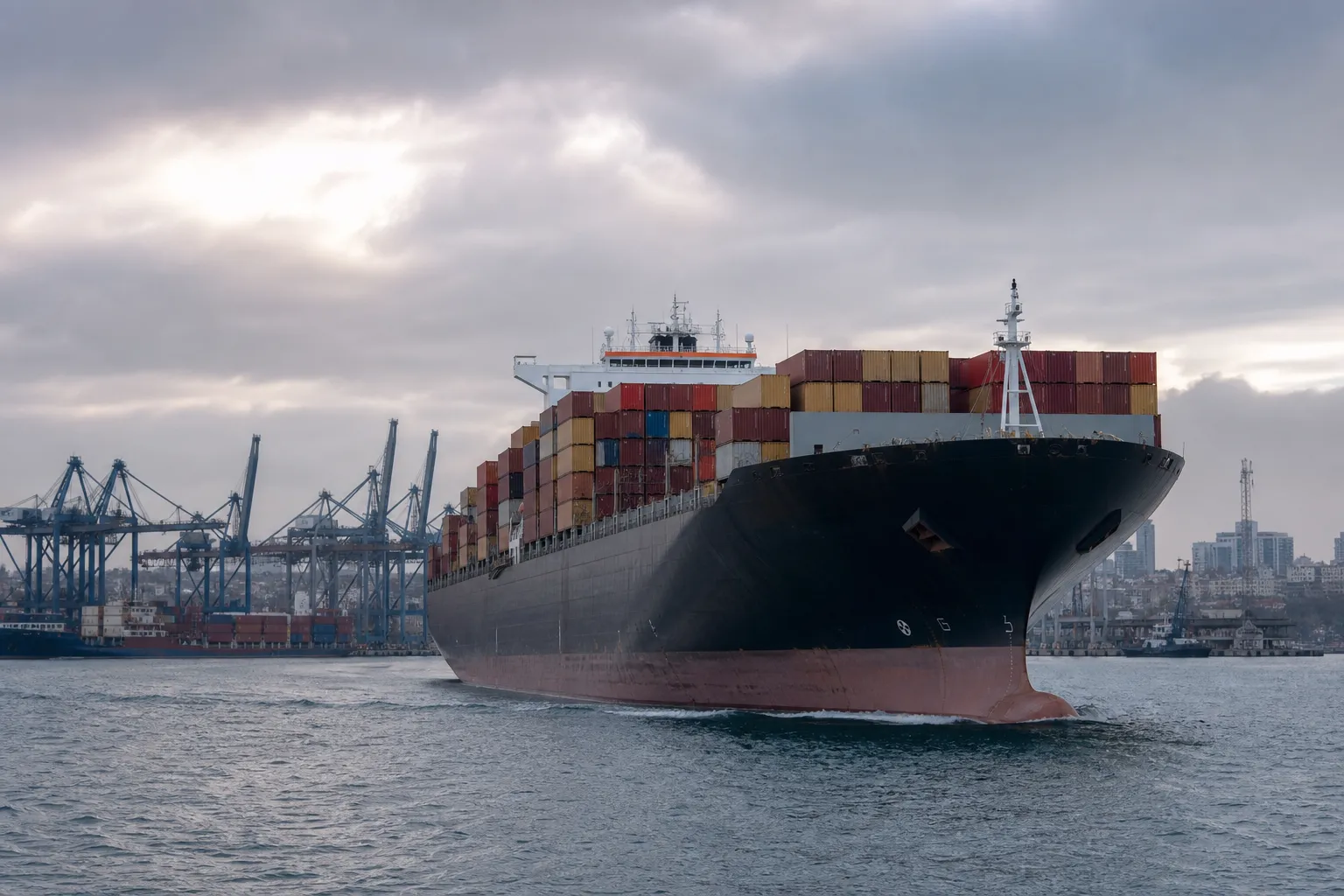
Turkey’s Anadolu Agency published an analytical article stating that China is expanding its network of maritime and land routes to reduce its dependence on strategic straits, but the new corridors create other political, infrastructure and geographical risks. The article’s author, Vusal Guliyev, an analyst on the Indo-Pacific region and Eurasia at the AIR Center in Baku, notes that China, as the world’s largest trading nation and one of the largest energy importers, depends heavily on maritime transport.
The author identifies the Straits of Malacca, Hormuz and Bab el-Mandeb as particularly vulnerable for the Chinese economy. Disruptions to shipping in these areas during a large-scale geopolitical crisis could have significant economic consequences for Beijing.
Alternative corridors
China is developing pipelines from continental Eurasia, investing in ports, railways and logistics infrastructure, and promoting overland routes. According to Guliyev, the Belt and Road Initiative is not only an infrastructure development program but also a mechanism for reducing dependence on individual maritime chokepoints.
More current news is available on the UA.News Telegram channel Telegram.
The Arctic region has become an important component of this strategy. In its 2018 Arctic policy, China introduced the concept of the Polar Silk Road and described Arctic sea routes as potential international trade routes. The Northern Sea Route can shorten some voyages between Asia and Europe and reduce dependence on the Suez Canal. At the same time, navigation there is constrained by seasonal conditions, specialized infrastructure, insufficient port capacity and dependence on icebreakers. China’s involvement in the Arctic is also increasingly linked to its relations with Russia, creating another form of strategic dependence.
Control over routes
The author points out that modern maritime competition depends not only on control over territories, but also on the ability to ensure, restrict or make access to routes politically uncertain. Attacks on merchant vessels in the Red Sea since late 2023 have forced shipping companies to reassess the safety and economic viability of using this corridor. According to the U.S. Energy Information Administration, about 14.6 million barrels of oil and petroleum products per day passed through the Strait of Hormuz in the first quarter of 2026.
The author also identifies the so-called shadow or dark fleet as a separate factor—vessels with opaque ownership structures and complex registration, insurance and cargo transshipment arrangements. Such vessels may complicate sanctions compliance, conceal the origin and destination of cargoes, and create additional risks to shipping safety and the environment. In Guliyev’s view, expanding the network of ports, pipelines, rail connections and maritime capabilities gives China greater strategic flexibility but does not eliminate its vulnerability.


