
Local exit polls give Vallo the best chances of becoming Bratislava mayor — RMF24
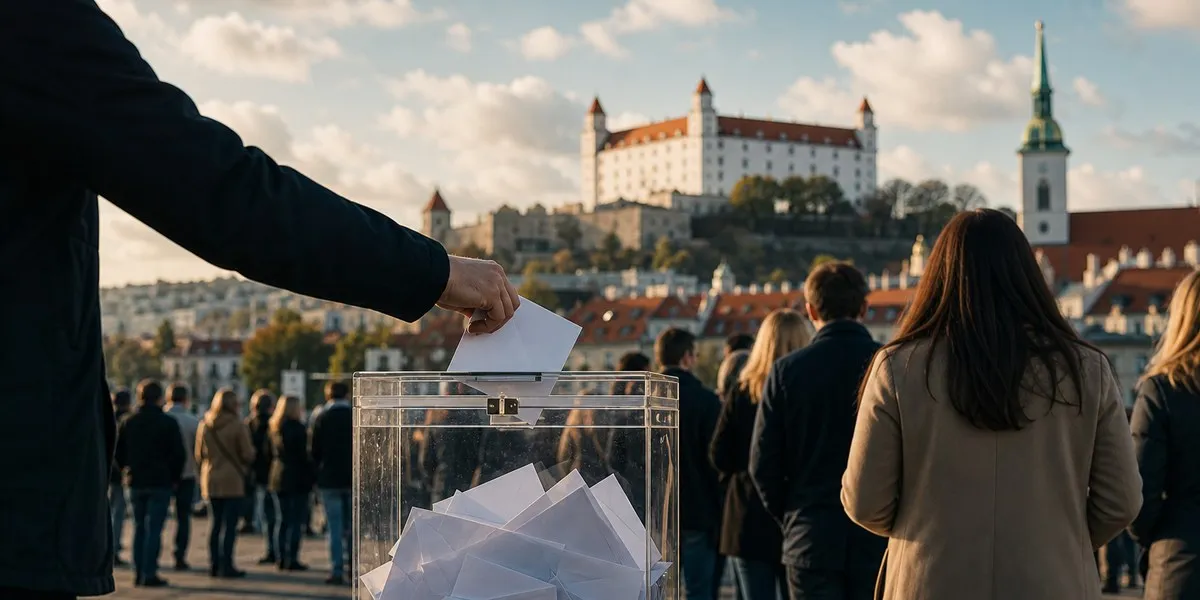
The first local exit polls in Bratislava indicate that the city’s incumbent leader, Matúš Vallo, has the best chances of winning the post of mayor. Voting in Slovakia’s local and regional elections ended on Saturday. There are no official results yet, and the first preliminary data are expected on Sunday morning.
As RMF24 reports, no nationwide exit polls were conducted this year. After the election silence ended, polls concerning individual cities began to appear. In Bratislava, Vallo, who is backed by opposition parties, is competing against Transport Minister Jozef Ráž, who is supported by parties of the governing coalition.
Support for the governing coalition
The voting results in municipalities and regions may show the level of popularity of the ruling coalition, which includes Smer-SSD, Hlas and the Slovak National Party. According to the outlet, assessments of candidates from the government may have been influenced by the government’s spending-cutting measures, the rising cost of living, young people’s difficulties accessing housing, and policy toward the Roma minority.
More current news is available on the UA.News Telegram channel Telegram.
Commentators call the elections in the capital an indicator of public sentiment ahead of parliamentary elections scheduled for next year.
Delays and police intervention
In four of the eight self-governing regions — including Banská Bystrica, Košice, Žilina and Trenčín — voting was extended by up to 50 minutes due to delays in opening some polling stations. In one case, a member of an election commission felt unwell, while in another, incorrectly printed ballots were discovered.
Police also intervened in the Prešov Region and the city of Martin, where they detained people suspected of electoral corruption. Details of these cases have not yet been disclosed. Preliminary estimates indicate that turnout this year may be slightly higher than in 2022: at that time, 44% of eligible voters cast ballots in regional elections, and 46% in local self-government elections.




