
A strategy to protect fungi presented at COP17 in Armenia — Mongabay
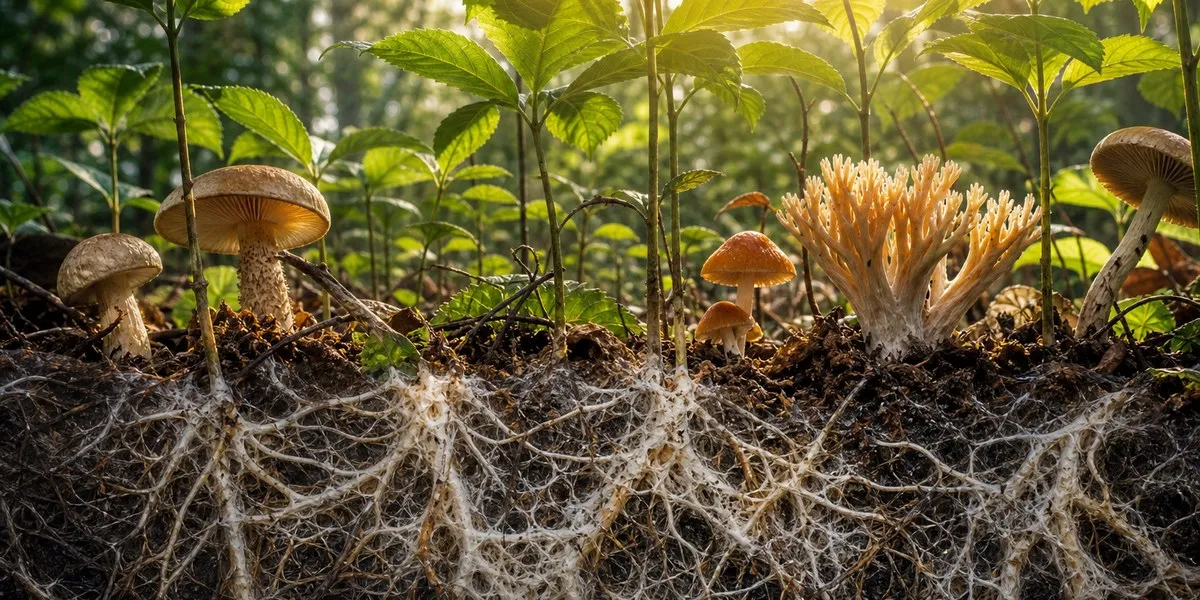
At the UN biodiversity conference COP17 in Yerevan, Armenia, on October 21, the first global strategy for fungal conservation was presented. Mongabay reports on its launch. The team of experts that worked on the document aims to integrate fungal conservation into the Kunming-Montreal Global Biodiversity Framework, one of the central topics of the COP17 negotiations.
Fungi in nature conservation
About 160,000 known fungal species, including mushrooms and yeasts, have often remained outside the main focus of conservation efforts. Greg Mueller, chief scientist emeritus at the Chicago Botanic Garden, called fungi “nature’s recyclers.”
Many fungi form symbiotic relationships with plants, helping move nutrients and water between them. They can also store carbon in soil and serve as food for animals and people. At the same time, mycologists have little data on the conservation status of most fungal species known to science.
More current news is available on the UA.News Telegram channel Telegram.
Research and sustainable use
The strategy was prepared by a group of fungal conservation specialists from 30 countries led by Mueller. Its recommendations include supporting new research, protecting rare species, including fungi in ecosystem restoration and rewilding programs, and balancing conservation with the sustainable use of species of food and medical importance.
The document’s authors compiled examples of the practical importance of fungi for ecosystems and communities. In Uganda and Rwanda, mushroom cultivation provides households with income while reducing pressure on wetlands inhabited by cranes threatened with extinction. In Benin, where 70 species of edible fungi are counted, women have benefited from training in their cultivation and sale.
Plant pathologist Bernice Benkole, who contributed to the strategy’s preparation, emphasized the importance of fungi for forestry and food production. Her research concerns the use of fungi as a biological means of controlling cereal crop pests that can damage sorghum, rice and maize crops.




