
Two Jiin Ming executives arrested in Taiwan over drone components case — South China Morning Post
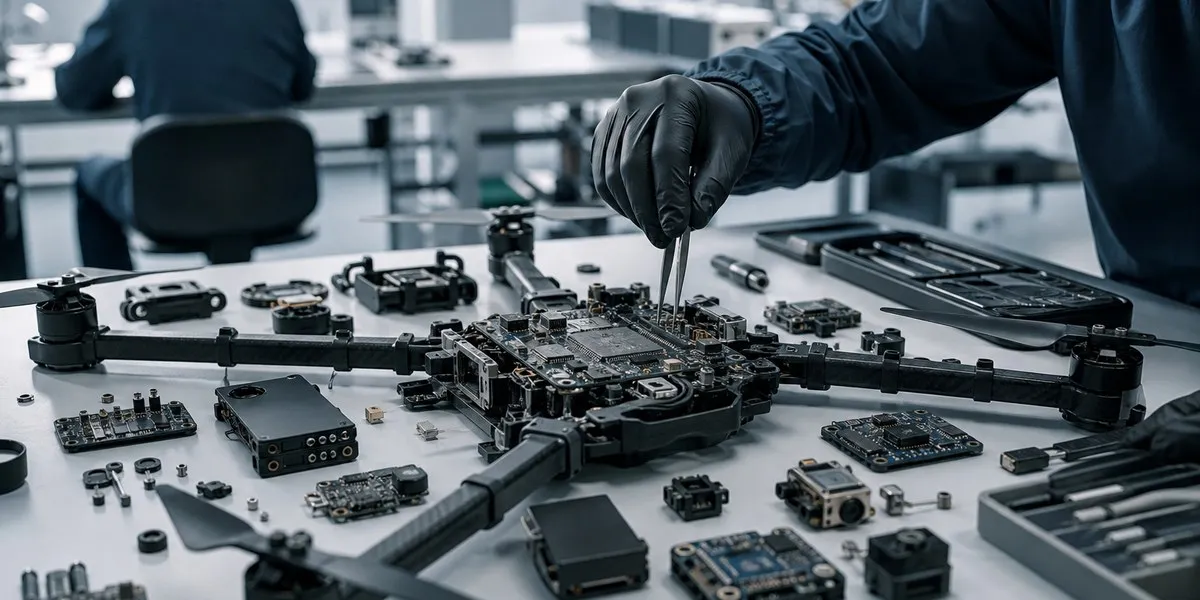
Taiwan has arrested Jiin Ming vice chairman Jian Hao-ting and business manager Chen Yang-cheng in a case concerning the possible use of components from mainland China in drones supplied to the military. As reported by the South China Morning Post, citing the Taoyuan District Prosecutors Office, false certificates of origin may have been submitted when the drones were delivered for military inspection.
Preventive measure for the suspects
Prosecutors conducted searches at several locations on October 8. The court ordered that the two suspects be held in custody for two months without contact with the outside world. They are suspected of violating the National Security Act, document forgery and aggravated fraud.
Jiin Ming, an equipment manufacturer that began producing drones several years ago, said it was prepared to cooperate with the investigation. The company also announced contingency measures: chairman Tsai Hsiang-feng will temporarily perform Jian Hao-ting's duties.
More current news is available on the UA.News Telegram channel Telegram.
Tighter drone inspections
Taiwan's Defence Minister Wellington Koo Li-hsiung said the alleged violations concerned small purchases of Jiin Ming drones by individual military units, rather than major supply programmes. According to him, batches of two or four aircraft had previously not undergone in-depth inspections involving the dismantling of the products.
The Ministry of Defence will now require even small batches of drones to be dismantled and inspected to prevent prohibited components from mainland China from being concealed inside the aircraft.
This is the second investigation in two months involving a military drone supplier suspected of using such components. In August, Hang Jian Technology was suspected of using chips in packaging from mainland China and flight-control boards manufactured there in drones for the Eighth Army Corps. The company had a contract worth NT$2.9 million to supply 180 drones. The military found suspicious components during an acceptance inspection, withheld payment and referred the case to prosecutors.




