
Pentagon announces broadcast of Nidal Hasan’s execution — The Guardian
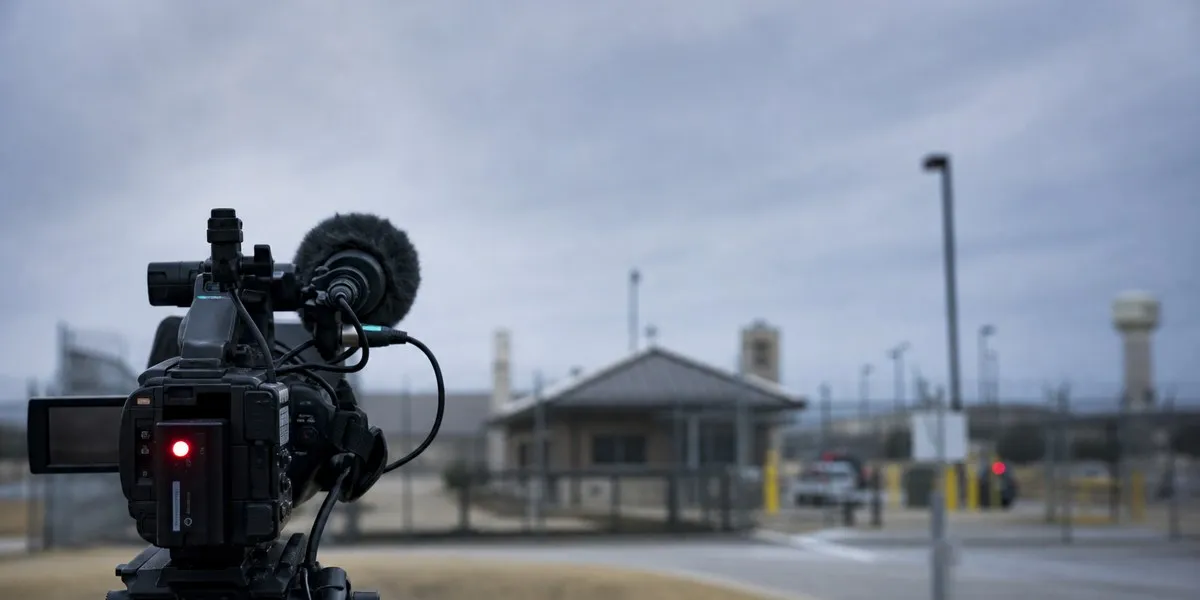
The US Pentagon has confirmed that it plans to broadcast live on December 3 the execution of Nidal Malik Hasan, who was convicted of killing 13 people at the Fort Hood military base in Texas in 2009. The sentence is to be carried out by firing squad. The Guardian reports.
Sentence and president’s decision
According to the Pentagon, US President Donald Trump approved the execution on the recommendation of Defense Secretary Pete Hegseth. US military law provides that a death sentence by firing squad requires presidential approval.
Hasan, who is now 56, was sentenced to death by a military jury in 2013 on 13 counts of premeditated murder and 32 counts of attempted premeditated murder. On November 5, 2009, the former Army psychiatrist opened fire at a medical facility at Fort Hood, where service members were waiting for medical screening before deployment. He was wounded by a police officer during his arrest; Hasan is partially paralyzed and uses a wheelchair.
This is expected to be the first execution by firing squad carried out by the US military since 1945. The last execution in the US military system took place in 1961, when John Bennett was hanged.
More current news is available on the UA.News Telegram channel Telegram.
Criticism of the broadcast
The UN Office of the High Commissioner for Human Rights stated that broadcasting the killing would amount to a public execution and violate the absolute prohibition of torture. The plan was also criticized by US politicians, religious figures and human rights defenders.
Former US Secretary of State Hillary Clinton called the idea barbaric. Democratic Senator Chris Murphy described public executions as medieval, while Republican Senator Thom Tillis, who supports the death penalty for Hasan, said broadcasting the execution was profoundly repugnant. UK Minister for Equalities Bridget Phillipson said she found the concept quite disturbing.
Experts said they knew of no precedents for a public television broadcast or livestream of a lawful execution. In 2001, relatives of victims were allowed to watch Timothy McVeigh’s execution through a closed television network, but it was not publicly broadcast. Eugene Fidell, a military law specialist at Yale Law School, suggested that Hasan could go to court to challenge the public display of the execution, which could delay its implementation.




