
Five diplomats report surveillance and isolation in Moscow — BBC
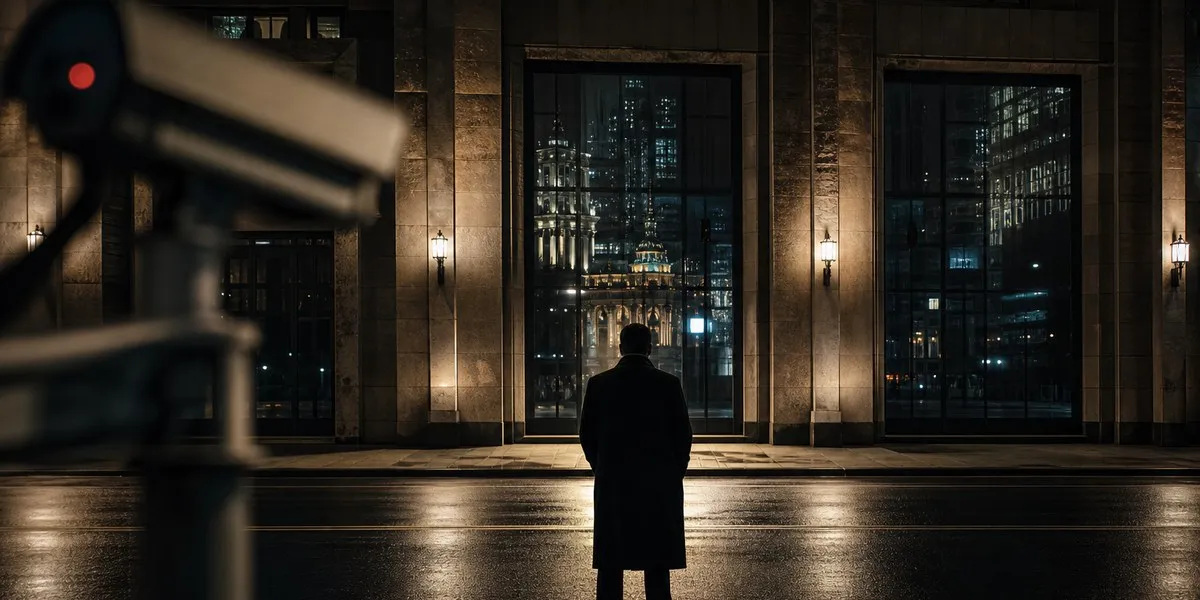
Five Western diplomats who worked in Moscow, the capital of Russia — an aggressor state — after the start of the full-scale invasion of Ukraine, spoke about constant surveillance, pressure from security services, and the isolation of diplomatic missions. As BBC News reports, they compared current working conditions in Russia to the Cold War period.
Former US Ambassador to Russia Lynne Tracy, who worked in Moscow in 2023–2025, called the posting the most difficult of her 30-year career. According to her, the main problem was the high level of uncertainty caused by constant pressure from Russian counterintelligence.
Surveillance and pressure on contacts
One former European diplomat said that before leaving for Moscow, he had been warned about possible listening devices and cameras in every room of his residence. According to another former ambassador, the FSB tried to recruit two Russian employees of the diplomatic mission, demanding that they report everything happening at the embassy. After the employees informed the leadership about this, they were dismissed, as otherwise they could have faced criminal prosecution.
The diplomats also said that Russians who could maintain contacts with Western missions in the fields of science and culture are intimidated. One former ambassador said that FSB officers escorted guests of his mission to the embassy door. Those invited to the King’s birthday celebration at the British ambassador’s residence in Moscow in June also complained of being harassed by pro-Kremlin activists and state media journalists, after which they were questioned by police.
More current news is available on the UA.News Telegram channel Telegram.
Staff and funding shortages
After mutual expulsions of diplomats began in 2022, many Western missions were left with insufficient staff. After Russia introduced a ban on hiring foreign nationals in 2021, the US Embassy’s technical service became significantly understaffed. As a result, even a minor malfunction, including a leaking pipe, could take up a great deal of diplomats’ time.
Additional difficulties were created by financial sanctions, the disconnection of Russian banks from SWIFT, and the suspension of Mastercard and Visa operations in Russia. One former ambassador said that the mission was unable to pay employees for some time because of a lack of cash, until another diplomat brought rubles in a suitcase after selling a car before expulsion.
Former French Ambassador Pierre Lévy noted that recalling ambassadors from Russia was discussed after the invasion, but he believed this would have been a mistake. In his view, the worse relations became, the more important it was to have diplomats present who could convey their governments’ positions to Moscow.




