
Polish media launch anti-disinformation campaign — Interia
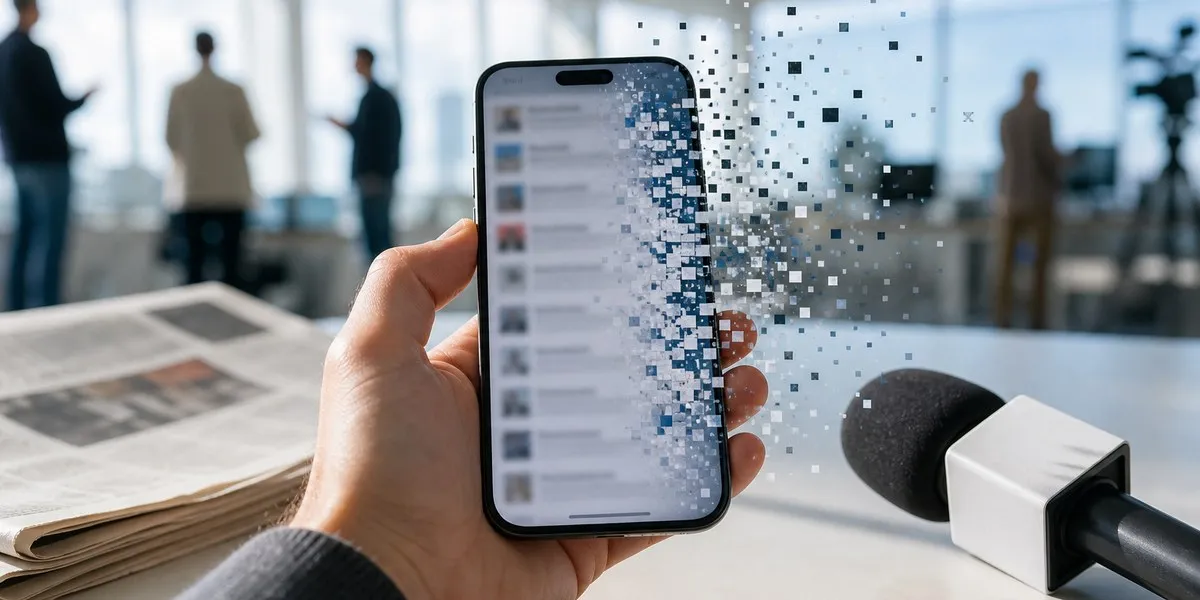
On November 5, 2026, Poland’s largest print, television, radio, and online media outlets launched the nationwide educational initiative Media Przeciw Dezinformacji. Its participants plan to explain to citizens the risks of manipulation, false reports, and online fraud, as well as teach them how to verify facts, Interia reports.
Participants in the initiative
Telewizja Polsat, Interia, Grupa RMF, Wirtualna Polska, Polska Press, Bauer publishing house, Dziennik Gazeta Prawna, Press, Wirtualne Media, and publishers united in the Association of Local Newspapers joined the campaign. The initiative was opened with a journalistic discussion featuring Agnieszka Gozdyra of Polsat, Tomasz Walczak of Interia, Barbara Kasprzycka of Wirtualna Polska, Michał Potocki of Dziennik Gazeta Prawna, Tomasz Terlikowski of RMF FM, and Marek Twaróg of Grupa Polska Press.
Discussion participants stated that the scale of disinformation in the public space requires a coordinated response. Among examples of the problem, media outlets cited fake investment offers, dangerous health advice, manipulated recordings featuring images of well-known people, and the deliberate spread of panic.
More current news is available on the UA.News Telegram channel Telegram.
Three stages of the campaign
The campaign will run from November 2026 through January 2027. In November, its materials will focus on the impact of disinformation on finances and health. In December, newsrooms will discuss bot farms, algorithms that amplify emotional content, and the growing role of artificial intelligence in creating false content.
In January, the initiative’s participants will publish practical advice on verifying sources and communicating with relatives who have believed false information. Materials bearing the campaign’s special label will be released on television, radio, in print media, on websites, and on social media.
According to Pew Research Center data from August 2025 cited by Interia, 85% of adult Poles consider the spread of false information a serious threat to the state. In the first half of 2026, NASK’s Disinformation Analysis Center reported 65,220 dangerous materials and accounts to social platforms; according to Interia, 76% of these reports received no response from the platforms.




