
President Christodoulides says Cyprus faces serious demographic problem — Cyprus Mail
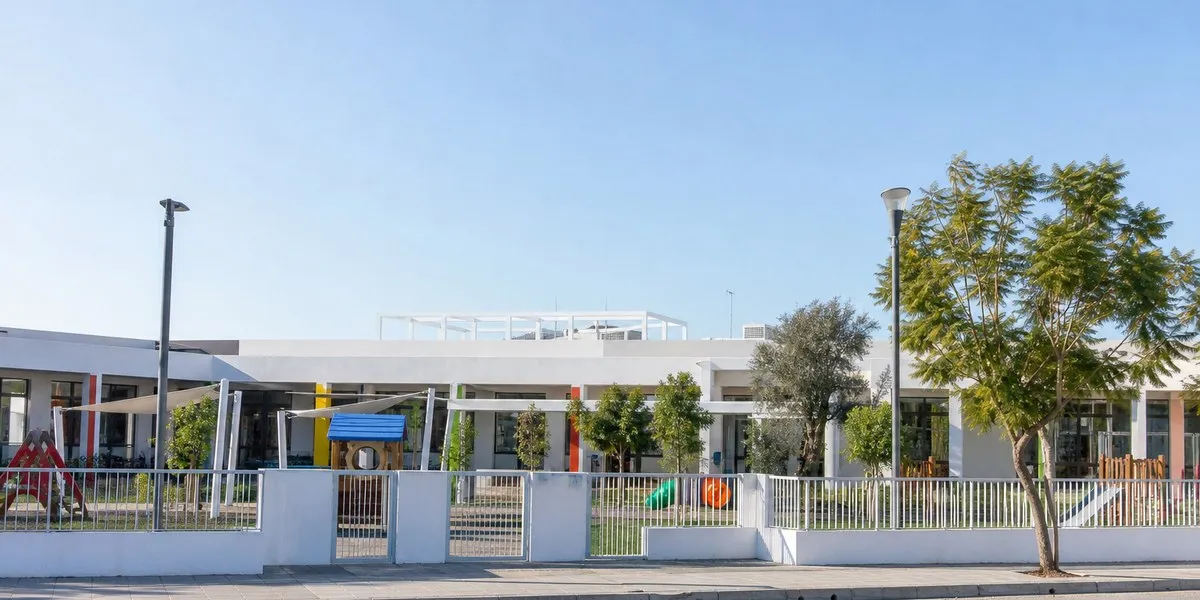
Cyprus President Nikos Christodoulides said the country is facing a very serious demographic problem, with the birth rate falling to its lowest level since 2017. Speaking at the opening of a public kindergarten in Limassol, he said the government is working on the issue according to a specific plan, Cyprus Mail reports.
Birth rate below replacement level
According to Christodoulides, the fertility rate stands at 1.3 children per woman, while it must be at least 2.1 for the population to reproduce every 25 years. Data from the Statistical Service of Cyprus show that in 2024 the figure was 1.4 children per woman, the same as a year earlier. It has remained below the replacement level since 1995.
The number of births in Cyprus fell from 10,241 in 2023 to 9,766 in 2024 and 9,230 last year. Natural population growth, meaning the difference between births and deaths, amounted to 2,426 people last year, while the annual number of deaths exceeds 6,000.
To reach a rate of 2.1, the country would need more than 14,000 births per year. According to the publication, Cyprus has not reached this level since statistics began being kept in 1974.
More current news is available on the UA.News Telegram channel Telegram.
Migration drives population growth
At the same time, the country’s population is growing mainly due to migration: last year it increased by 1.7%, to approximately 983,000 people, while net migration stood at 13,588 people. The share of residents aged 65 and over rose from 11.3% in 2000 to 18.3% last year. At the same time, the share of children under 15 declined from 22.3% to 15.2%.
The latest support package promoted by Christodoulides was estimated at €50 million. It provided for a monthly payment of €200 to mothers under the age of 30, as well as childbirth assistance ranging from €1,000 for the first child to €2,000 for the third.
Deputy Minister of Social Welfare Tina Pavlou said a bill could extend eligibility for child benefits from next year to another approximately 17,000 families raising 23,500 children.




