
Rubio says US will use diplomatic efforts for Great Sea Interconnector — Cyprus Mail
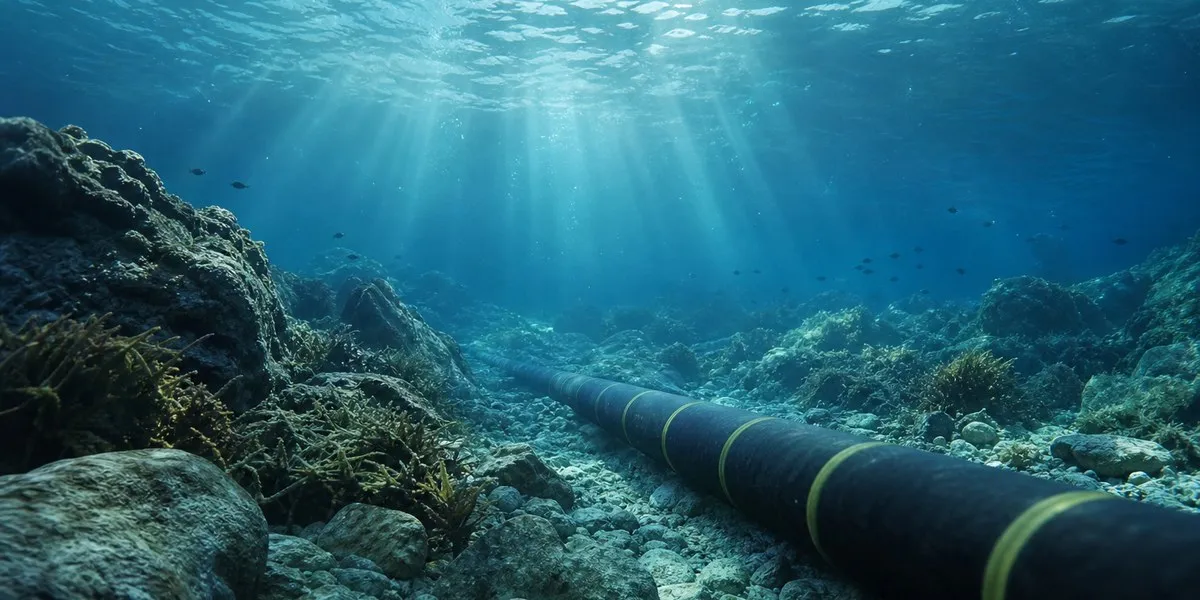
US Secretary of State Marco Rubio said Washington will use diplomatic efforts to advance the construction of the Great Sea Interconnector, a project intended to connect the power grids of Cyprus, Greece and Israel. He said this in an interview with the Greek newspaper Kathimerini, Cyprus Mail reports.
US support
Rubio called the diversification of energy supplies and supply chains one of the priorities. He mentioned Russia’s war of aggression against Ukraine, the situation in the Strait of Hormuz involving Iran, and the situation in the Red Sea involving the Houthis as factors that underscore the need for diversification.
According to the secretary of state, the United States recognizes that there may be potential obstacles to implementing the interconnector. He said Washington would remind all parties of the importance of the project and hopes to find solutions. At the same time, Rubio stressed that sensitive issues are better discussed privately rather than through the media.
Answering a question about possible US mediation between the countries participating in the project and Turkey, Rubio declined to discuss sensitive issues publicly. At the same time, he said that the United States is in constant contact with Turkey and expects these ties may help during such discussions.
More current news is available on the UA.News Telegram channel Telegram.
Dispute over maritime surveys
The Greek government is expected to issue a Navtex navigational warning in the coming weeks regarding planned seabed surveys for laying the cable between Cyprus and Crete. It may concern waters claimed by both Greece and Turkey.
Competing claims have already hampered surveys along the route between Cyprus and Greece. In 2024, Turkey sent warships after the Italian research vessel Ievoli Reulme entered waters Ankara considers its own; Greece also deployed warships to the area.
The disagreement concerns whether islands generate their own exclusive economic zones. Greece and the Republic of Cyprus refer to the UN Convention on the Law of the Sea and argue that they do, while Turkey, which is not a party to it, holds a different position.




