
US Senate resists permanent daylight saving time over dark mornings for schoolchildren — The Hill
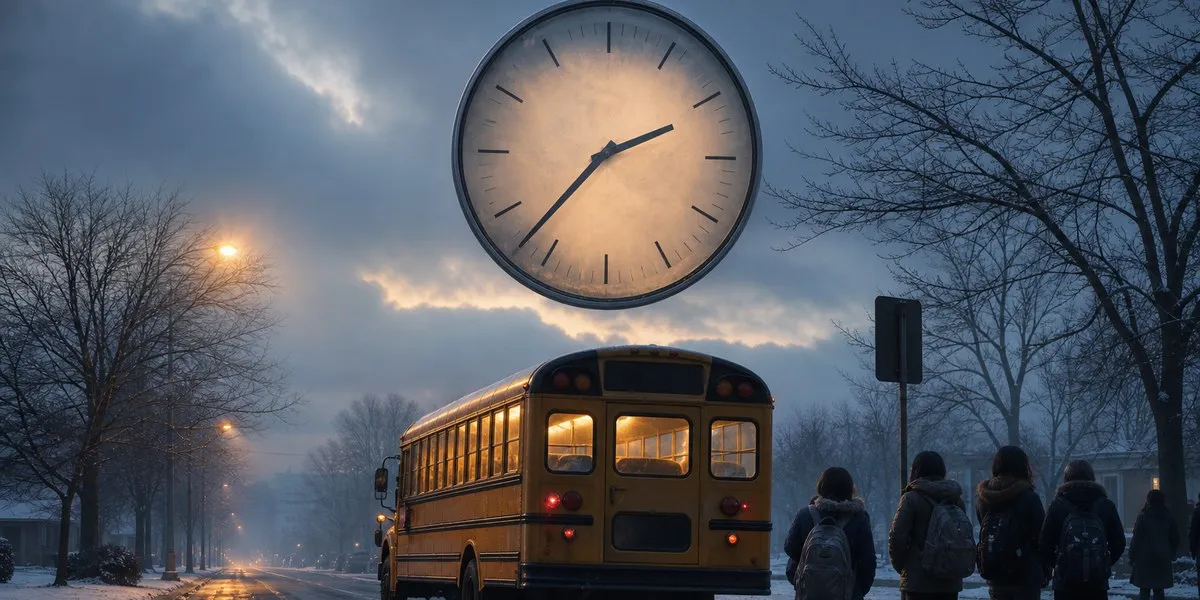
In the United States, senators from both parties oppose a bill to introduce permanent daylight saving time, which the House of Representatives has already approved by 308 votes to 117. Opponents of the initiative fear that in winter more children would travel to school or wait for buses in the dark, The Hill reports.
The Sunshine Protection Act of 2025 is intended to abolish changing clocks twice a year and make daylight saving time permanent. It is supported by President Donald Trump. At the same time, Republican Senator Tom Cotton said that Congress had repeatedly introduced permanent daylight saving time before, but revoked the decision each time after winters with excessively late sunrises.
Concerns over school commutes
Cotton stressed that he does not want children walking to school in complete darkness. Senate Republican Majority Leader John Thune said that he is from the northern part of the country and also voted against the initiative in committee.
Under permanent daylight saving time, the sun could rise after 9:00 a.m. in some US regions during winter. The average start time for high schools in the country is shortly after 8:00 a.m., although many schools begin around 7:30 a.m., and some Florida schools begin at approximately 7:00 a.m.
More current news is available on the UA.News Telegram channel Telegram.
Dennis Willingham, superintendent of the Walker County Board of Education in Alabama, noted that in rural areas students often board school buses before sunrise. According to him, staff are trained in child safety rules at bus stops.
Why schools cannot easily start classes later
Supporters of later school start times point out that permanent daylight saving time would require revising school schedules. Terra Ziporyn Snyder, executive director and co-founder of Start School Later, said that without changing lesson start times, even more students would head to school before dawn.
A review by the US Centers for Disease Control and Prevention covering 38 studies found that in schools where classes begin at 8:30 a.m. or later, students sleep better, have higher academic performance and attendance, and engage in risky behavior less often.
However, school administrations cite parents' work schedules, the need for child care, extracurricular activities, and coordinating class end times with neighboring schools for sports competitions as significant obstacles.




