
The Swiss supported the relaxation of arms export regulations
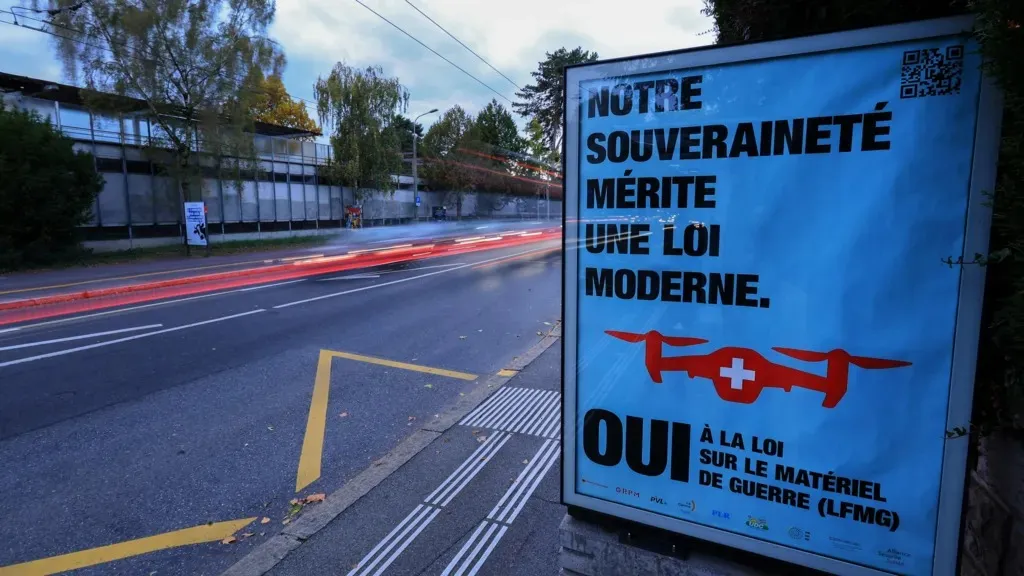
On November 29, Swiss citizens voted in a referendum to approve changes that simplify the export of arms to 36 partner countries. According to preliminary estimates, about 54% of voters approved the reform, while final reports indicate support at 54.3%. At the same time, the new rules do not allow for direct deliveries of Swiss weapons to Ukraine.
The vote served as a significant test of Switzerland’s traditional neutrality. For decades, the country has adhered to strict rules governing the sale of military equipment. In particular, it previously prohibited the export of weapons to countries involved in armed conflicts. Additionally, buyers were required to obtain Switzerland’s permission if they wished to transfer the purchased weapons to a third country.
Now these rules will be relaxed. Amendments to the law on military equipment will allow the supply of weapons to 36 designated partner countries, even if they are involved in an international armed conflict. These include European countries, as well as Argentina, Australia, Canada, Japan, New Zealand, and the United States.
At the same time, this does not mean that Switzerland is abandoning all restrictions. Exports must continue to comply with the requirements of neutrality, human rights, and the country’s international obligations. The government also retains the ability to intervene in individual decisions if foreign policy and security interests so require.
Why Switzerland Decided to Change the Rules
Supporters of the reform believe that the old restrictions were weakening the country’s defense industry. Because of them, it was more difficult for Swiss manufacturers to work with foreign partners and participate in international arms production projects.
After Russia’s full-scale invasion of Ukraine began in 2022, the issue became particularly pressing. The security situation in Europe has changed, and European countries have begun to purchase weapons more actively and build up their own defense capabilities. The Swiss government explained that the country needed to adapt its export rules to the new conditions.
Parliament supported easing the restrictions as early as 2025. However, left-wing political parties and civil society organizations opposed the changes and used the mechanism of direct democracy to put the issue to a nationwide referendum. They argued that relaxing the rules could undermine Switzerland’s neutrality and increase the risk of its weapons ending up in conflict zones.
About 20 civil society organizations, including the Swiss chapter of Amnesty International, also criticized the reform. They believe the new rules weaken the safeguards intended to prevent Swiss weapons from being used against civilians or transferred to states involved in serious human rights violations.
Will Switzerland Be Able to Supply Weapons to Ukraine?
Despite the relaxation of the rules, Ukraine is not included in the list of 36 countries for which the new export conditions apply. Therefore, the reform does not mean that Switzerland will begin selling weapons directly to Kyiv.
In addition, the restrictions will also apply to indirect supplies. Switzerland has previously denied requests from other European countries for permits to transfer Swiss-made weapons and ammunition to Ukraine. Among such cases were attempts by Germany to transfer ammunition for Gepard tanks to Ukraine, by Spain to transfer Piranha III armored vehicles, and by Denmark to transfer anti-aircraft systems.
These decisions sparked discontent among European partners. They emphasized that the restrictions complicate military aid to Ukraine and create obstacles for joint defense projects. At the same time, Swiss authorities explained their position by citing the requirements of neutrality and current legislation.
Where Does Switzerland Rank in the Global Arms Market?
According to the Stockholm International Peace Research Institute (SIPRI), Switzerland ranked 20th among the world’s largest arms exporters in 2021–2025. It accounted for about 0.3% of the global market.
In 2025, exports of Swiss military products rose by 43% to 948.2 million Swiss francs, or approximately $1.13 billion. A significant portion of these shipments consisted of ammunition, armored vehicles, and spare parts for Germany.
Supporters of the reform hope that relaxing the rules will help Swiss manufacturers remain competitive and retain their place in international supply chains. Opponents, however, fear that the country will gradually drift away from the strict principles of neutrality.
The Swiss also voted to restrict fireworks
In addition to changes in arms export regulations, Swiss voters cast ballots on November 29 on a measure to restrict loud fireworks. This initiative was proposed by animal rights advocates who oppose the noise caused by fireworks.
According to preliminary results, about 61% of voters supported it. Thus, voters have spoken in favor of tightening restrictions on the use of loud fireworks, according to rapporteur.
On November 29, Switzerland will hold a nationwide vote on four issues: restrictions on loud fireworks, funding for the 13th annual payment under the state pension system, taxation of married couples, and easing of rules on the export of military equipment.




