
Holiday on November 19, 2026 — Prince's Day in Monaco: History, Traditions, and Interesting Facts
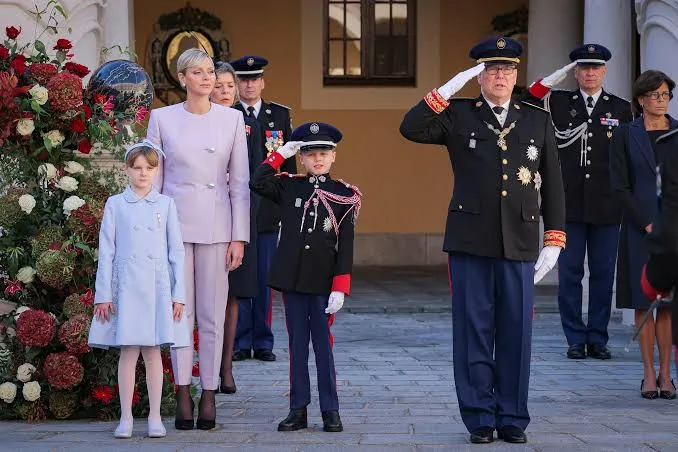
On November 19, Monaco celebrates Prince’s Day—the principality’s main national holiday. On this day, the country honors its monarch, the princely family, and the history of the state. The celebrations include solemn ceremonies, a military parade, religious services, award ceremonies, and various events for residents and visitors to Monaco.
The history of Prince’s Day dates back to the 19th century, during the reign of Prince Charles III. In 1857, he decided to celebrate the ruler’s holiday on November 4—the feast day of Saint Charles, his patron saint. At that time, this date was known as the “Sovereign’s Day” and was associated primarily with the prince and his authority. At the same time, Monaco was developing into a modern state: it was establishing its own national symbols, forging diplomatic relations, and entering into international agreements. Thus, the celebration gradually became not only a personal holiday for the monarch but also an important event for the entire principality.

A distinctive feature of this tradition was that the date of the celebration depended on the ruler’s name. Each new prince could choose a day associated with the saint after whom he was named. After the death of Charles III in 1889, the throne passed to his son, Albert I. In 1890, the new prince moved the celebration to November 15—the feast day of Saint Albert. The next ruler, Louis II, decided to change the tradition for practical reasons: Saint Louis’s Day fell on August 25, when many residents and businesses were on vacation. Therefore, in 1922, he chose January 17—the feast day of Saint Anthony the Abbot, the patron saint of his granddaughter, Princess Antoinette.

Further changes occurred after Prince Rainier III ascended to the throne in 1949. He initially set the holiday for April 11, but the date eventually had to be revised again. In 1952, April 11 fell on Good Friday, so the prince moved the celebrations to November 19. This day held special significance for him: it was on November 19, 1949, that his coronation ceremony took place. Additionally, this day honors Blessed Rainier of Arezzo. Since then, the date has remained unchanged.
Why Prince Albert II Did Not Change the Date
In 2005, following the death of Rainier III, his son Albert II ascended to the princely throne. According to an old tradition, he could have moved the national holiday to November 15—the feast day of Saint Albert, his heavenly patron. However, the new ruler decided against doing so. He kept November 19 as a sign of respect for his father and his long reign. Thus, the date, which was originally linked to Rainier III’s personal feast day, became a symbol of the continuity of the princely dynasty.

This decision also had personal significance. Rainier III ruled Monaco for over half a century—from 1949 to 2005. During this time, the principality underwent significant changes: the economy, tourism, infrastructure, and international relations all developed. His wife was the American actress Grace Kelly, who became Princess Grace after their marriage and also played a prominent role in the life of the country. Therefore, for many residents of Monaco, observing November 19 has become a way to honor not only the former ruler but also an entire important chapter in the principality’s history.
How Prince’s Day Is Celebrated
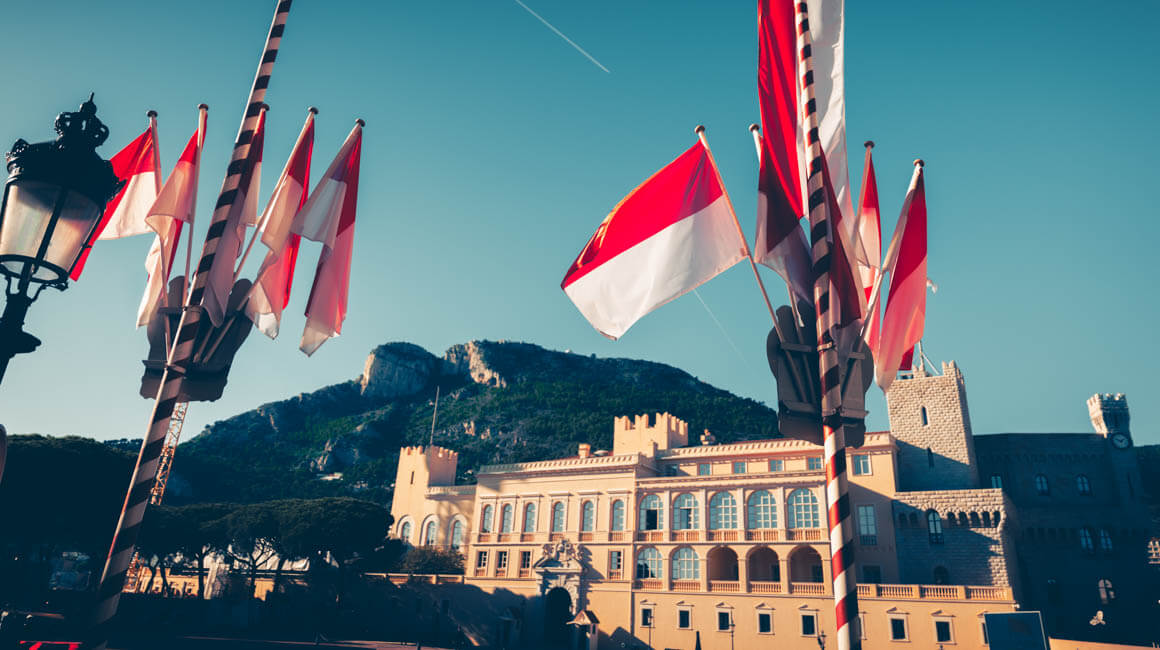
The festivities usually begin the day before. On the evening of November 18, a festive fireworks display is held over the Port Hercule, drawing residents and tourists to the waterfront. Concerts and entertainment events take place throughout the city, while festive venues and attractions are set up in the port. The streets, buildings, shops, and balconies are decorated with Monaco’s flags. The main colors of the holiday are red and white, as these are the colors featured on the principality’s national flag.

The main ceremonies take place on November 19. The morning begins with a solemn service at the Cathedral of the Immaculate Conception in Monaco. Prince Albert II, Princess Charlene, members of the princely family, government officials, diplomats, and other invited guests attend. The religious part of the celebration has a long history: even under the first rulers, the festivities were accompanied by a special church service. Today, it remains an important part of the national holiday.

After the service, attention shifts to the Prince’s Palace. A ceremonial parade takes place in the square in front of it, featuring the military, the Prince’s Guard, the police, and the fire department. Participants in the ceremony pay their respects to the ruler, while military bands provide musical accompaniment. Residents and visitors gather in the square to see the princely family and join in the festivities. Albert II and his family often appear before the public on the palace balcony.

A separate part of the program is the presentation of state awards and honors. The Prince honors individuals who have made significant contributions to Monaco’s development, culture, public life, and other areas. Among the awards presented on this occasion are the Order of Grimaldi, the Order of Saint Charles, and awards for cultural achievements. Such ceremonies provide an opportunity to publicly thank those who work for the good of the principality. The festive day may conclude with concerts, performances, and gala evening events, often attended by the princely family.
Red and white—the colors that are an integral part of the celebration
One of the most notable traditions of Prince’s Day is decorating Monaco with the national colors. Red and white flags appear on building facades, balconies, windows, government buildings, and storefronts. City authorities and event organizers encourage residents to join in this tradition. As a result, for several days, the principality transforms into a place where the national colors are visible almost everywhere.

The flag of Monaco consists of two identical horizontal stripes: red on top and white on the bottom. This design was officially adopted in 1881 during the reign of Charles III. The colors are associated with the Grimaldi dynasty, which has ruled the principality for many centuries. Therefore, during the national holiday, the flag becomes not just a decoration, but a symbol of history, statehood, and belonging to the Monaco community.
Another tradition is caring for the elderly and those in need of support. Members of the princely family participate in charitable initiatives, visit social institutions, and provide assistance to the elderly. In particular, among the events associated with the holiday is the donation of gift sets to the Monaco Red Cross and to the principality’s elderly residents. This serves as a reminder that the national holiday is dedicated not only to celebrations and ceremonies but also to caring for people.
Interesting Facts About Prince’s Day
Originally, the holiday did not have a fixed date. It varied depending on who was ruling Monaco. This practice continued for several generations of the princely family.
The holiday has several names. In French, it is called La Fête du Prince—“Prince’s Day”—as well as Fête Nationale—“National Holiday.” In English, the name Prince’s Day is often used.
November 19 is associated with two events. It is the day of remembrance for Blessed Rainier of Arezzo, as well as the date of Rainier III’s accession to the throne in 1949.
The holiday has national status. For Monaco’s residents, it is an official day off, when the country focuses on festive events and national traditions.
The first military parade took place as early as the 19th century. In 1871, following a church service, a ceremonial procession involving the Prince’s Guard took place in the square in front of the palace. Over time, the military ceremony became one of the main parts of the holiday.
How Prince’s Day Will Be Celebrated in 2026
In 2026, Prince’s Day falls on Thursday, November 19. Festivities will begin as early as November 18: a fireworks display is scheduled for that evening over the port of Hercules. According to the published program, it is set to take place at 8:10 p.m. The following day, November 19, the principality will host the main festivities—a religious service, ceremonies attended by the princely family, and a parade. The festive program will continue throughout the day, and the city will be decorated with flags and national symbols.

For Monaco, Prince’s Day is much more than a celebration in honor of the monarch. It is an opportunity to reflect on the country’s history, pay tribute to the Grimaldi dynasty, and highlight the bond between the princely family and the country’s residents. The day combines religious rites, military ceremonies, charitable activities, and city-wide celebrations. And the red-and-white flags on the buildings serve as a reminder that even a principality as small as this one has its own history, symbols, and traditions that its residents strive to preserve.




