
Minnesota holds training sessions to protect polling stations ahead of elections — CBC World
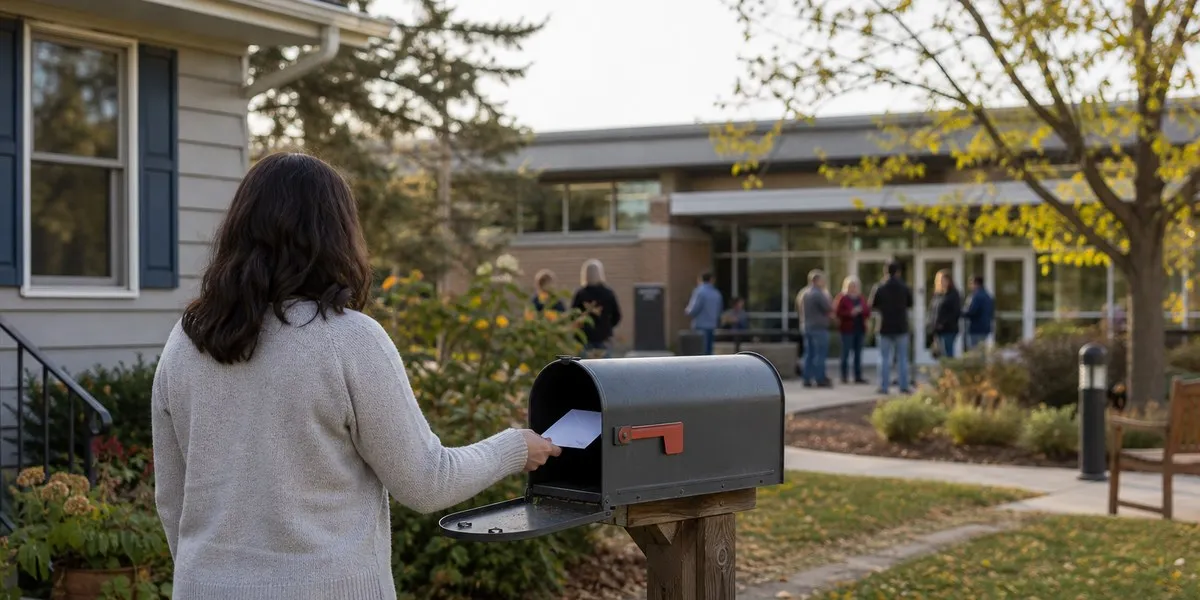
In Minnesota, United States, civic organizations are holding training sessions for residents preparing to respond to possible attempts to disrupt voting during the November 3 midterm elections. Participants are taught to create communication networks in their neighborhoods and act in the event of false information being spread about voting rules or federal officers appearing at polling stations, CBC reports.
Consequences of the ICE operation
The training sessions are taking place about nine months after Operation Metro Surge, a large-scale immigration operation by the administration of US President Donald Trump. According to CBC, around 3,000 federal immigration officers arrived in Minnesota and detained approximately 4,000 people. During the operation, they also encountered local residents who tried to oppose them.
In January, federal officers shot and killed two US citizens, Renee Good and Alex Pretti, weeks apart. CBC reports that this subsequently led to the removal from office of two senior immigration officials: Homeland Security Secretary Kristi Noem and Border Patrol commander Gregory Bovino.
During the operation, Minneapolis residents documented ICE raids on their phones, used whistles to warn neighbors, blocked traffic to slow down officers, and created encrypted group chats.
More current news is available on the UA.News Telegram channel Telegram.
Concerns about interference with voting
Minnesota Secretary of State Steve Simon said that he had not previously had to seriously prepare for a scenario in which the federal government could interfere with the freedom to vote. He is holding meetings with colleagues from other states to consider possible developments.
The Trump administration attempted to impose restrictions on voting by mail, but the Supreme Court overturned them. The president also did not rule out sending federal officers, including FBI and ICE personnel, to polling stations.
Impact on the Senate campaign
University of Minnesota political scientist Larry Jacobs believes that the state could play an important role in the battle for control of the Senate. According to him, the race between Republican candidate Michele Tafoya and the state's Democratic lieutenant governor, Peggy Flanagan, remains competitive.
Jacobs suggested that immigration policy and Operation Metro Surge could affect voter mobilization among communities affected by the raids. In particular, Minnesota has the largest Somali community in the United States, and its members have traditionally participated actively in elections.




