
11,662 new viruses discovered in the Pacific Ocean — South China Morning Post
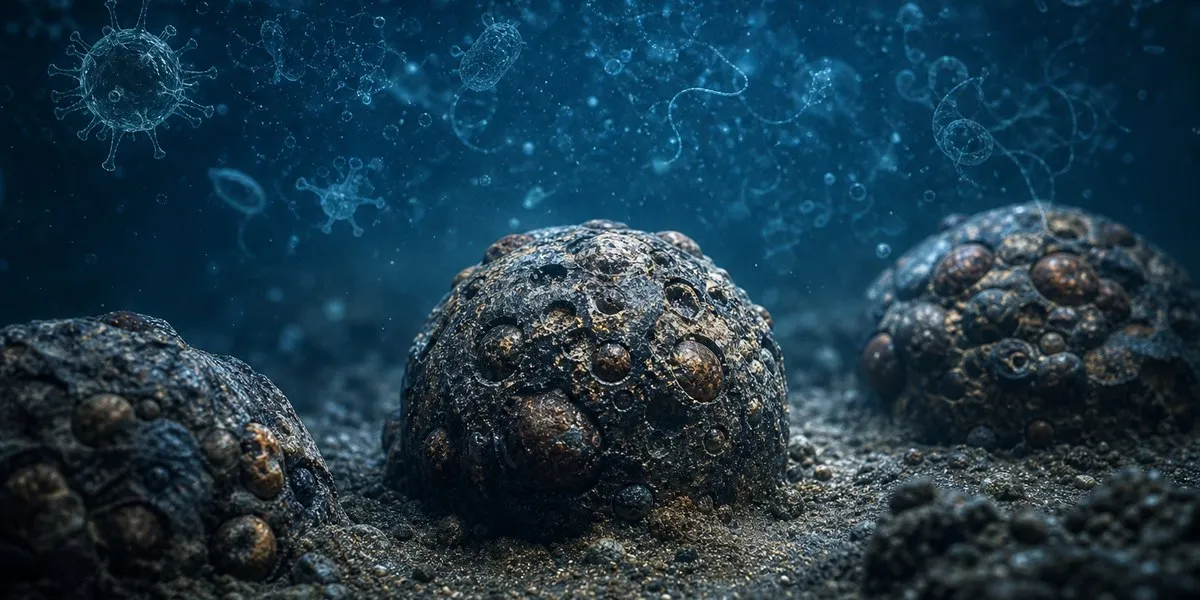
A Chinese research team identified 11,742 distinct viruses in seabed sediment samples from the Clarion-Clipperton Zone in the Pacific Ocean between Mexico and Hawaii. Of these, 11,662, or more than 99%, had not previously been recorded by scientists, South China Morning Post reports.
Samples from deep-sea sediments
The study used 60 samples collected in 2023 and 2024 by the China Ocean Mineral Resources Research and Development Association. This organization is one of the Chinese entities holding an exploration contract in the area issued by the International Seabed Authority.
The Clarion-Clipperton Zone is located at depths of up to 6,000 meters. Its seabed is covered with billions of polymetallic nodules, and reserves of nickel, cobalt and manganese in the area, according to some estimates, may exceed the combined known reserves of these metals on land. Commercial mining has not yet begun there, although the International Seabed Authority has issued 17 exploration contracts, five of which belong to China.
More current news is available on the UA.News Telegram channel Telegram.
Unique viral lineages
Scientists compared the discovered viruses with data on viruses from seawater, ocean trenches and hydrothermal environments. Only about 4% of their protein clusters were shared with at least one external dataset. This indicates the presence of previously unrecorded viral lineages and genetic resources in the area.
The overwhelming majority of the identified viruses belong to the class Caudoviricetes. They have a tail structure that enables them to inject genetic material into bacteria. Such viruses generally pose no danger to humans because they infect bacteria. The researchers noted that disturbance of seabed sediments during mining could prevent viruses from performing their role in the benthic ecosystem, including decomposing organic matter and releasing nutrients.




