
Food inflation in Nepal reaches 6.77% ahead of Dashain — Kathmandu Post
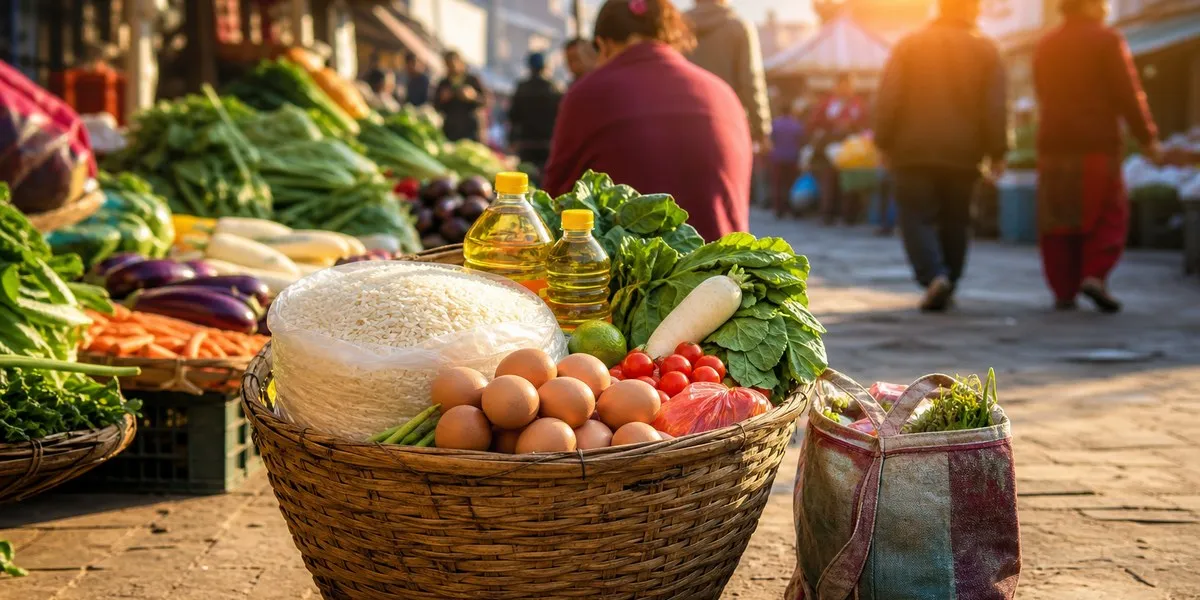
In Nepal, staple food prices have risen significantly ahead of the Dashain festive season. Annual inflation in the food and non-alcoholic beverages category stood at 6.77% in mid-August, Kathmandu Post reports, citing the consumer price index of the central bank, Nepal Rastra Bank.
Oil and fruit prices rose the most
According to the central bank, ghee and oil became 15.62% more expensive year-on-year, while fruit prices rose by 15.39%. Inflation for meat and fish stood at 8.65%, and for vegetables at 6.90%. Sugar and sugar products became 4.61% more expensive, spices rose by 4.80%, and cereals and cereal products by 3.08%.
A price check in shops showed that a kilogram of mutton now costs 1,600–1,700 Nepalese rupees, compared with 1,300–1,400 rupees a year earlier. Chicken has risen in price to about 450 rupees per kilogram from 370–400 rupees. A tray of 30 eggs sells for 650–700 rupees, whereas last year it cost about 500 rupees.
More current news is available on the UA.News Telegram channel Telegram.
Transport and goods are also becoming more expensive
A 25-kilogram bag of Jeera Masino rice has risen in price to 2,500–2,600 rupees from 2,100–2,200 rupees. A litre of mustard oil costs 460 rupees compared with 410 a year earlier, while sunflower oil costs 305 rupees compared with 245. Sugar has risen to 130–140 rupees per kilogram, although some large retail chains sell it for 110 rupees.
Inflation for non-food goods and services over the same period amounted to 5.52%. Transport costs rose by 13.17%, clothing and footwear by 5.52%, and housing and utilities by 4.45%. According to sellers and consumers, prices were also affected by higher fuel costs following the escalation of the conflict in the Middle East in February, weak supply chains, a large number of intermediaries, and insufficient enforcement of consumer protection law.




