
Flying foxes in Australia are starving en masse due to food shortages — The Guardian
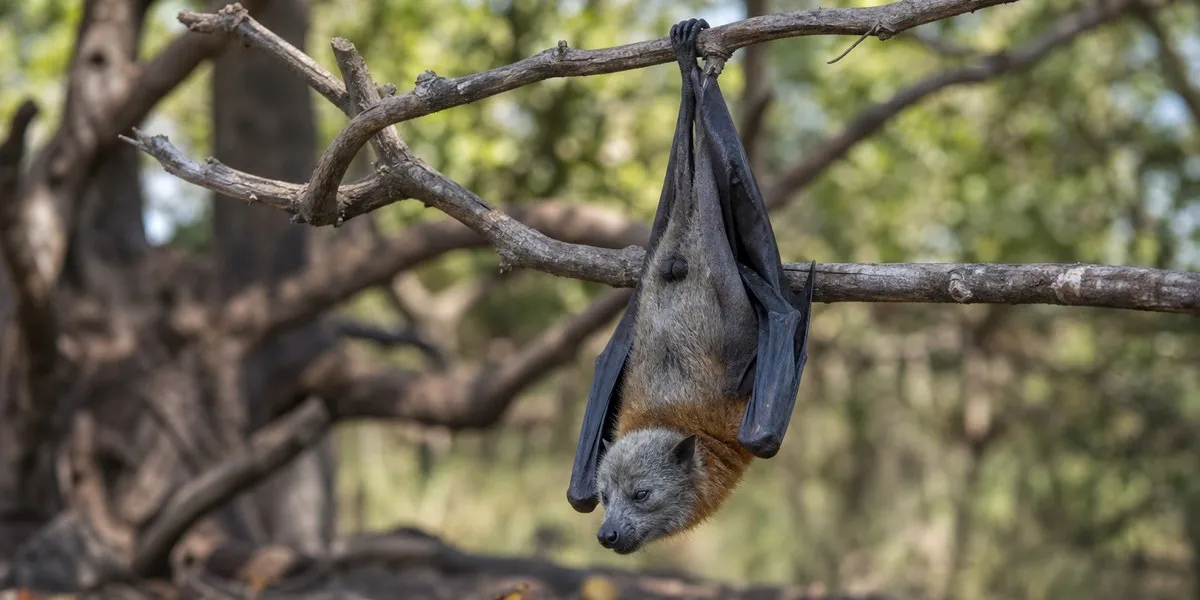
In New South Wales and parts of Victoria in Australia, flying foxes are starving en masse due to food shortages. Wildlife rescuers are receiving an increasing number of reports about exhausted adults and pups. Most of these reports concern grey-headed flying foxes, The Guardian reports.
Animals search for food near homes
Grey-headed flying foxes are listed as a vulnerable species under Australia’s federal environmental legislation. They usually feed on flowers and nectar from native trees, but are now facing food shortages across much of New South Wales, from the north to the southern coast. In Victoria, the number of reports has also increased, particularly in East Gippsland and Castlemaine.
Rachel Smethurst, bat coordinator at the Fawna organisation, said that on the central part of New South Wales’ northern coast, the service receives between 50 and 90 reports every day. This is more than the total number of bat-related calls over the previous nine months.
According to her, exhausted animals fly into yards and eat fruit from ornamental trees and palms, including unripe fruit that has fallen to the ground. Some flying foxes do not have the strength to return to their daytime roosts and therefore remain near people’s homes. Rescuers are also finding dead animals and prematurely born pups.
More current news is available on the UA.News Telegram channel Telegram.
Females lose their offspring
The organisation Wires believes that the mass starvation is likely linked to habitat loss, a dry winter and a weak seasonal flowering of eucalyptus and other native plants. It noted that dehydrated and underfed females in the final month of pregnancy are losing their pups because they do not have enough strength to carry their offspring to term or produce milk.
A spokesperson for the New South Wales environment department said that the exact cause of this incident has not yet been established. According to the spokesperson, food shortages may be exacerbated by drought and El Niño conditions. The state health department urged people not to touch flying foxes: over the past two weeks, doctors assessed 43 people who had been scratched or bitten by these animals.
Tamsin Hogarth, director of the Fly By Night Bat Clinic, urged people to report sick or dead flying foxes to local wildlife rescue services. This enables volunteers to check whether any pups have been left without help and to rehabilitate animals that can still be saved.




