
Estonia plans to build 1,000 apartments in small towns — ERR News
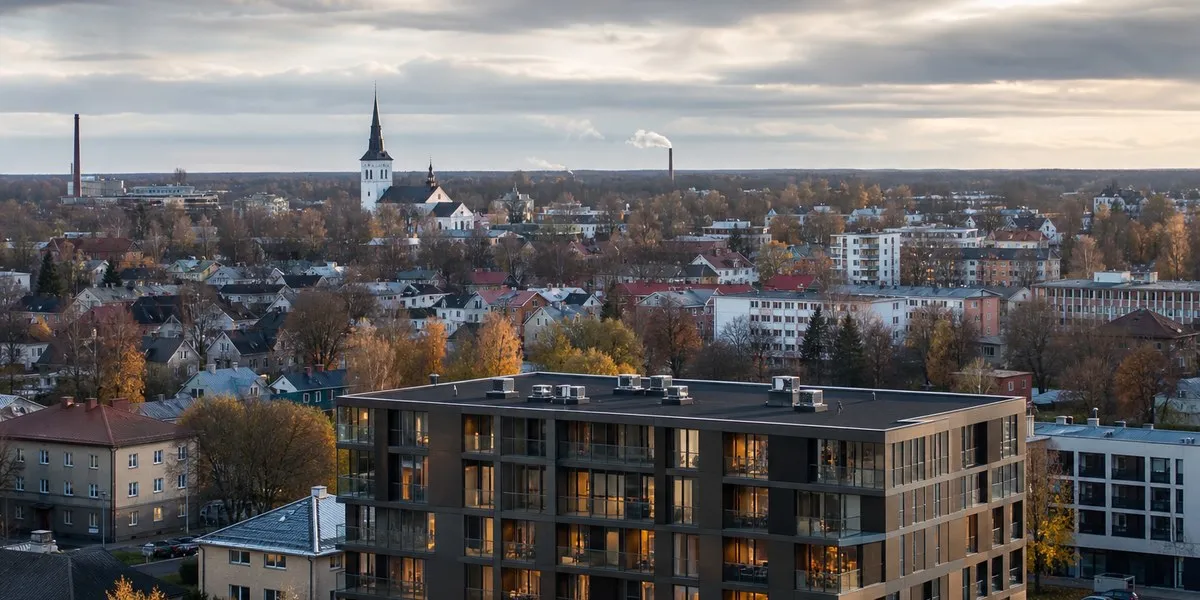
Estonia plans to build 1,000 modern apartments in small towns as part of a state pilot project to address the shortage of new housing outside the Tallinn and Tartu regions. Estonia's Ministry of Climate will oversee the project, ERR News reports.
Housing outside major cities
Deputy Secretary General of the ministry Ivo Jaanisoo said the initiative aims to ensure the availability of quality housing in all regions of the country. According to him, about one-third of Estonia's population lives outside the Tallinn and Tartu regions and wants modern housing.
The private sector currently does not build apartment buildings in towns such as Paide or Põlva. Jaanisoo explained that construction costs there are roughly the same as in Tallinn, while the sale or rental prices of new apartments are significantly lower. Developers and financial institutions also fear that tenants may not be found for all homes immediately or in the long term.
More current news is available on the UA.News Telegram channel Telegram.
Financing model
The ministry is developing a financing model together with the European Investment Bank. It envisages combining housing projects in small towns into a larger portfolio, which should help reduce costs through scale and attract private banks to finance construction.
The pilot project is due to start in 2027. Local authorities have already proposed more than 100 land plots across Estonia, from which sites for the project are to be selected. At the beginning of 2027, municipalities must also make a final confirmation of whether they will participate.
Among the issues still under discussion is who will compensate developers for lost income from vacant apartments. One option provides for a municipality to guarantee rental income to a developer if an apartment has no resident. Employers, the central government, or the developers themselves could also assume the risk. After the model is approved, the state will announce a tender to find construction companies and operators, and the first buildings could be ready by 2030.




