
An investigation has been completed in Irkutsk following the death of an employee of the Anti-Plague Institute
In Russia’s Irkutsk Region, the quarantine that had been imposed following the death of Daria Shipilova, a 28-year-old employee of the Anti-Plague Institute, has been lifted. Russian authorities state that nearly 5,000 tests found no dangerous pathogens, but the exact cause of the woman’s death has not yet been officially disclosed.
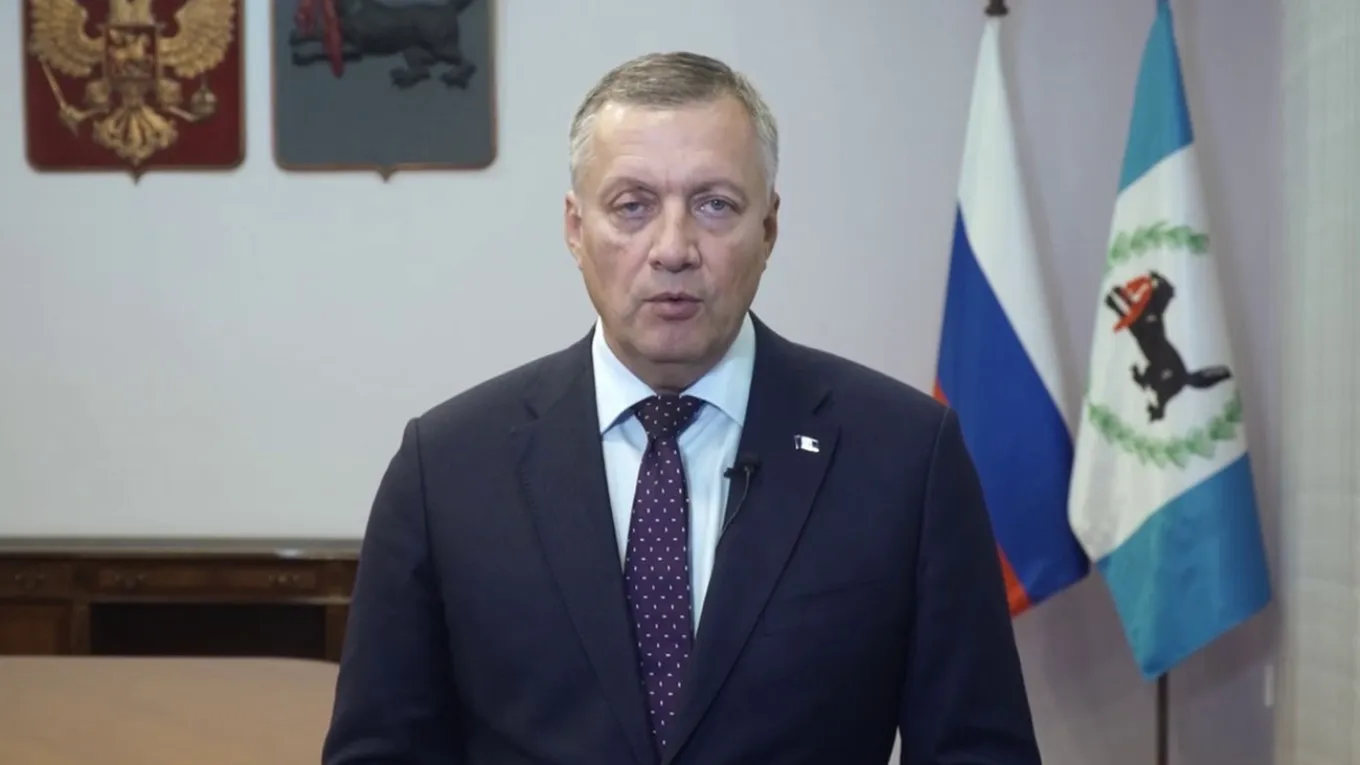
On October 8, Irkutsk Region Governor Igor Kobzev announced the end of preventive measures following the death of the employee of the Irkutsk Anti-Plague Institute. According to him, quarantine restrictions are no longer necessary, and the situation in Irkutsk and Shelekhov remains calm. Russian authorities cite “community-acquired pneumonia” as the cause of Daria Shipilova’s death. Earlier, Rospotrebnadzor had specified that the pneumonia was of unknown etiology.
Following the woman’s death, authorities quarantined approximately 200 people who had been in contact with her. Quarantine restrictions were also imposed at several medical facilities in the region. Kobzev stated that all close contacts have already undergone medical observation. No signs of an infectious disease were detected in them. “No health issues related to an infectious disease were identified. The results of nearly 5,000 laboratory tests revealed no dangerous pathogenic microorganisms,” the governor said.
According to him, the employee herself had been vaccinated and was immune to the dangerous infections she was working with. The inspection also found no emergencies involving pathogenic microorganisms at the institute. “The quarantine has been lifted. We are operating as usual,” Kobzev stated.
Why Did Talk of the Plague Arise?
The death of an employee at the anti-plague institute caused concern due to the nature of her work. After reports of her death, Russian and independent media began speculating that the woman might have contracted the plague. Russian authorities have not officially confirmed this. Rospotrebnadzor stated that no dangerous microorganisms related to her professional activities were detected in the woman.
At the same time, the situation has drawn the attention of the World Health Organization. On October 7, WHO Director-General Tedros Adhanom Ghebreyesus stated that the organization does not yet have a complete picture of what happened in the Irkutsk region. According to him, the WHO has requested additional information from Russia regarding laboratory tests on the deceased and the people who had contact with her. The organization also asked for an explanation as to why such large-scale preventive measures were implemented following the woman’s death. “Since we do not yet have a complete picture of this incident, we cannot conduct a full risk assessment,” the WHO director-general said.
Separately, the WHO requested verification of reports regarding an alleged second employee with pneumonia of unknown origin. On October 8, Rospotrebnadzor dismissed this information as false. “This information is not true,” the Russian agency stated.
What Happened After the Employee’s Death
Daria Shipilova died on October 2. Following this, Russian authorities held an emergency meeting of the Sanitary and Anti-Epidemic Commission. Anna Popova, head of Rospotrebnadzor, also traveled to Irkutsk. About 200 people who had been in contact with the deceased were placed under medical observation and isolation. Additional restrictions were also imposed in medical facilities across the region.
There were also reports of a mask mandate at the Irkutsk Aluminum Plant in Shelekhov. The authorities explained these measures as necessary to prevent the possible spread of the infection. Now, Russian authorities state that all preventive measures have been completed. Based on the results of nearly 5,000 laboratory tests, no dangerous pathogens were found, and no signs of infectious disease were detected among those who had been in contact with the deceased.
At the same time, there is no definitive answer to the main question—what exactly caused the death of the employee of the Anti-Plague Institute—in publicly available official reports. Russian authorities are citing community-acquired pneumonia of unknown etiology, while the WHO continues to request additional information about this case.
Following the death of a lab technician in Irkutsk who worked at the Anti-Plague Institute, there has been talk in Russia of a possible case of pneumonic plague. This information has raised fears of a new outbreak, but the woman’s death alone does not mean that an epidemic has begun in Russia. Infectious disease specialist Larisa Moroz explained how dangerous the plague is today, how it is transmitted, and whether it could reach Ukraine.




