
WMO says El Niño will intensify through December — Bangkok Post
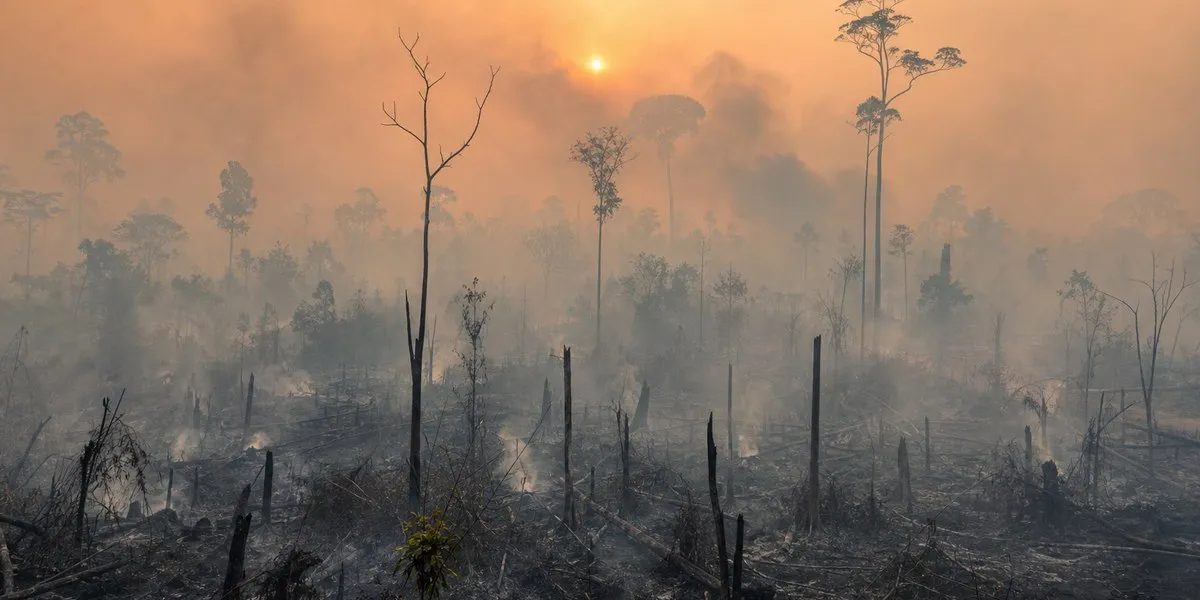
The effects of El Niño are already being recorded in Indonesia, Brazil, Myanmar and other countries. The World Meteorological Organization said that this weather phenomenon will intensify until reaching its peak in December. It could bring above-normal temperatures to much of the planet and alter rainfall patterns, increasing the risk of droughts and floods in different regions, Bangkok Post reports.
Fires and electricity problems
In Indonesia, the severe drought linked to El Niño is accompanied by fires in the forests and plantations of Borneo and South Sumatra. Smoke from them has caused a regional crisis: schools were closed in several areas of Malaysia, while Singapore announced subsidies for people seeking medical care for smog-related illnesses.
In Brazil's Amazonas state, nearly four times more fire hotspots were recorded in September than a year earlier. On one Wednesday, more than 749 fires were burning there. Smoke covered Manaus, the largest city in the Brazilian Amazon, which led to the closure of public schools on Friday.
In Myanmar, authorities warned of possible power outages due to rising consumption during unseasonal heat. Meteorologists also warned of abnormal precipitation, drought, extreme heat and shortages of drinking water. In the Philippines, the government is preparing for higher electricity demand and a possible decline in hydropower generation due to hotter and drier weather.
More current news is available on the UA.News Telegram channel Telegram.
Risks to food supplies
International Monetary Fund chief Kristalina Georgieva expressed concern about the global consequences of El Niño, primarily for food security. According to her, the IMF is preparing to support countries that may find it difficult to cope with the effects of the phenomenon.
The United Nations Development Programme warned that a combination of high borrowing costs, a surge in energy prices and a powerful El Niño could push tens or hundreds of millions of people back into poverty. In southern Madagascar, humanitarian workers are already dealing with the effects of hunger and expect the situation to worsen as El Niño's impact on Africa intensifies.
Europe's Copernicus Climate Change Service reported that sea surface temperatures in a key Pacific observation area reached a historic high of 29.70 °C last month. The Japan Meteorological Agency called the current El Niño the strongest on record, although forecasters' approaches to assessing the phenomenon's intensity differ, and the analysis is complicated by overall ocean warming.




