
Sudan’s pharmaceutical system losses from war estimated at $500m — Al Jazeera
Sudan’s National Medical Supplies Fund has estimated losses of medicine stocks, infrastructure and vehicle fleets caused by the war at $500 million. As Al Jazeera reports, rising medicine prices are particularly affecting people with chronic illnesses who require continuous treatment.
Fighting between the Sudanese army and the paramilitary Rapid Support Forces, which began in April 2023, has complicated access to medicines and medical services. According to the National Medicines and Poisons Board, only eight of the 30 pharmaceutical factories in Khartoum that halted operations during the conflict have resumed production.
Insulin and storage costs
Forty-eight-year-old Hasanat al-Rashid, who has lived with diabetes for 15 years, was forced to leave her home several times because of the fighting. She first moved from Haj Yousif in Khartoum North to Umm Daw Ban in Khartoum state. When fighting spread to El Gezira state in December 2023, she moved to Port Sudan.
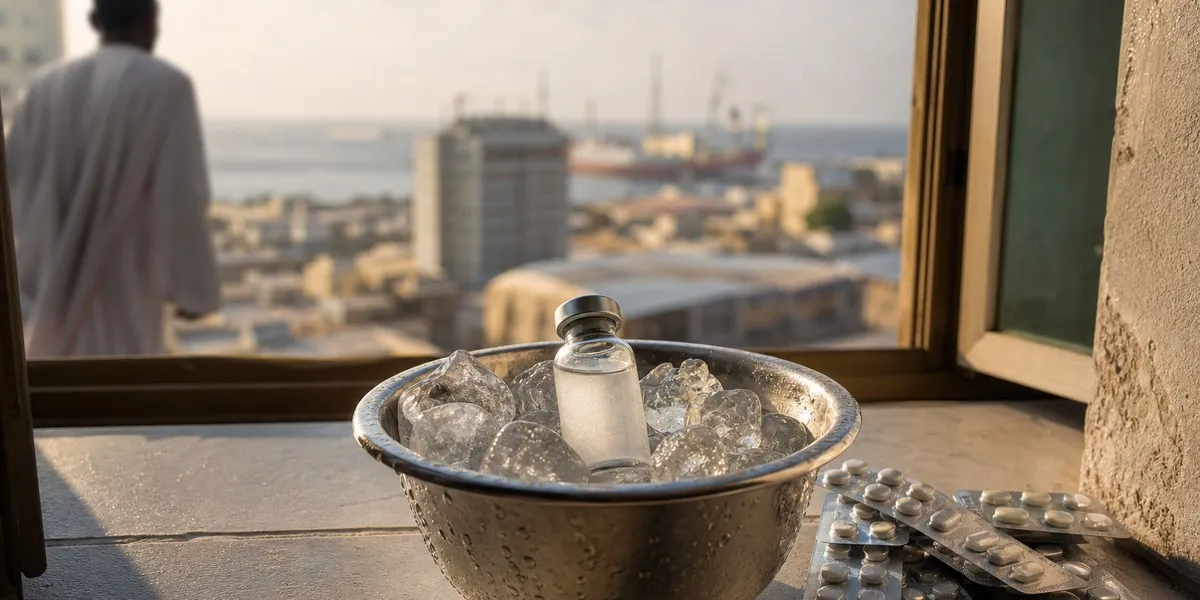
The woman said that she now needs insulin every day. An insulin pen costs 70,000 Sudanese pounds, or about $8, but such a one-time expense is too high for her. She buys vials of insulin for 17,000 pounds, but does not have a refrigerator and buys ice every day to store the medicine. This costs her 180,000 pounds per month, or about $20.
More current news is available on the UA.News Telegram channel Telegram.
Medicines are becoming unaffordable
Seventy-five-year-old Fatima Adam, who is in a hospital in Port Sudan and is being treated for hypertension and thyroid disease, received medicines through the National Health Insurance Fund before the war. She paid one-quarter of the cost, while the fund covered the rest. After the war began, the medicines she needs stopped being covered under this scheme.
The patient’s daughter, Aisha, said that a month’s supply of medicines for her mother cost the family 160,000 Sudanese pounds, or $17.80. Fatima’s son works as a day laborer, so the family can sometimes buy only a small quantity of medicines.
Hossam al-Naeem, a pharmacist from Port Sudan, said that the depreciation of the Sudanese pound complicates the purchase and sale of medicines. After most factories in Khartoum stopped operating, the country became more dependent on imported medicines, while the currency’s decline increased the cost of purchasing and producing them. Before the war, the dollar cost about 600 Sudanese pounds, while on the black market the currency is offered at a rate of 9,300 pounds per dollar.




